
Introduction
In recent years, the demand for affordable and flexible housing solutions has surged, spurred by urbanization, population growth, and environmental challenges. One innovative response to these needs is the expandable container house. Particularly, the 20FT and 40FT models, featuring 2 to 3 bedrooms along with essential amenities like bathrooms and kitchens, have gained popularity. This article delves into the benefits, design features, applications, and future potential of these expandable container houses.
Understanding Expandable Container Houses
What Are Expandable Container Houses?
Expandable container houses are prefabricated structures made from repurposed shipping containers. They can be designed to expand and provide additional living space when needed. Typically, these units are equipped with essential amenities, making them suitable for various living situations.
Key Features
- Modularity: The expandable design allows for easy adjustment of space according to the occupants’ needs.
- Sustainability: Reusing shipping containers helps in reducing waste and minimizing the environmental impact associated with traditional construction.
- Cost-Effectiveness: Compared to traditional buildings, container houses are generally more affordable due to lower material and labor costs.
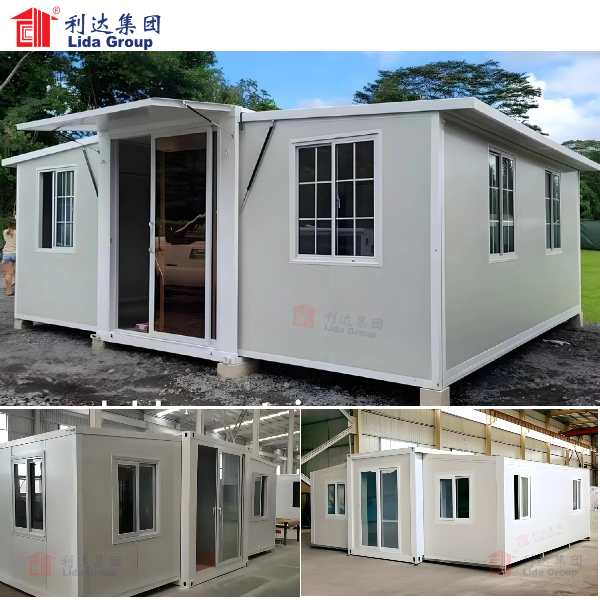
Advantages of 20FT/40FT Expandable Container Houses
1. Space Efficiency
Expandable container houses maximize space utilization:
- Flexible Layouts: The ability to expand allows for customizable layouts, catering to family or communal living.
- Optimized Living Areas: Each unit usually includes bedrooms, a kitchen, and a bathroom, ensuring all essential functions are covered in a compact area.
2. Quick Construction
Time is a critical factor in housing solutions:
- Fast Setup: Container houses can be constructed in a fraction of the time it takes to build traditional homes.
- Prefabrication: Many components are pre-assembled, which accelerates the building process.
3. Cost Savings
Affordability is a key consideration for many:
- Lower Construction Costs: Utilizing used shipping containers significantly reduces material and labor costs.
- Long-Term Savings: Their durability leads to reduced maintenance costs and longer life spans.
4. Portability
The mobility of container houses offers unique advantages:
- Easily Relocatable: These structures can be moved to different locations as needed, making them ideal for temporary or remote housing.
- Adaptable to Various Sites: They can be deployed in urban, suburban, or rural settings, depending on the specific requirements.
5. Environmental Benefits
Sustainability is increasingly important in housing:
- Recycling Materials: Repurposing shipping containers contributes to reducing landfill waste.
- Energy Efficiency: Container houses can be equipped with energy-efficient systems, such as solar panels, further minimizing environmental impact.
Design Features of Expandable Container Houses
1. Interior Layout
The interior design of expandable container houses is crucial for functionality:
- Bedroom Configurations: Options for 2 or 3 bedrooms allow for family living or shared accommodations.
- Open Living Spaces: An open-plan design often integrates the kitchen, dining, and living areas, promoting a sense of space.
2. Kitchen and Bathroom Facilities
Essential amenities enhance livability:
- Compact Kitchens: Equipped with modern appliances, these kitchens maximize efficiency in a limited space.
- Functional Bathrooms: Bathrooms are designed with space-saving fixtures, ensuring comfort without sacrificing functionality.
3. Insulation and Climate Control
A comfortable living environment is essential:
- Thermal Insulation: Proper insulation materials are crucial for maintaining a stable indoor temperature.
- Ventilation Systems: Adequate airflow is essential for comfort and air quality.
4. Aesthetic Options
While functionality is key, aesthetics matter too:
- Customizable Exteriors: The exterior can be finished with various materials, including wood, metal, or paint, to improve visual appeal.
- Interior Design Choices: Personalizing the interior with decor options can create a welcoming atmosphere.
Applications of Expandable Container Houses
1. Residential Living
Container houses are increasingly popular as permanent residences:
- Affordable Housing Solutions: They provide an economical option for families seeking comfortable living spaces.
- Flexible Family Layouts: The ability to expand makes them suitable for growing families.
2. Temporary Housing
These structures excel in short-term applications:
- Disaster Relief: In post-disaster situations, expandable container houses can provide immediate shelter for displaced individuals.
- Construction Sites: They can serve as temporary housing for workers on remote construction projects.
3. Vacation Homes
Container houses can be ideal for vacation properties:
- Eco-Friendly Getaways: Their sustainable design appeals to environmentally conscious travelers.
- Remote Retreats: They can be placed in scenic locations, providing a unique vacation experience.
4. Student Housing
In urban areas with high student populations, container houses can offer a solution:
- Affordable Living: They provide an economical option for students seeking housing near campuses.
- Community Living: Multiple units can be grouped to create a vibrant student community.
5. Office Spaces
Expandable container houses can also be adapted for commercial use:
- Flexible Office Solutions: They can be configured to create modern, collaborative workspaces.
- Pop-Up Shops: Their mobility makes them suitable for temporary retail locations or exhibitions.
Addressing Common Concerns
1. Space Limitations
Some may worry about the perceived small size of container houses:
- Innovative Design Solutions: Creative interior designs can make spaces feel larger and more functional.
- Expandable Options: The ability to expand offers flexibility for growing families or changing needs.
2. Quality of Living Conditions
Concerns about living conditions in container houses are common:
- Modern Amenities: With the right design and furnishings, container houses can be as comfortable as traditional homes.
- Insulation and Ventilation: Proper insulation and ventilation systems ensure a pleasant living environment.
3. Building Regulations
Navigating building codes can be challenging:
- Compliance with Local Codes: Container houses can be designed to meet local building regulations, ensuring safety and legality.
The Future of Expandable Container Housing
Trends Influencing Container Housing
- Increased Urbanization: As cities grow, the need for affordable housing solutions will continue to rise, making container houses an attractive option.
- Sustainability Focus: Environmental concerns will drive demand for eco-friendly housing solutions that utilize recycled materials.
- Technological Advancements: Innovations in construction technology will enhance the efficiency and quality of container housing designs.
Lida Group’s Commitment to Quality
Lida Group is at the forefront of the container housing movement, dedicated to producing high-quality expandable container houses. Their focus on innovation and sustainability ensures that these homes meet the evolving needs of modern living.
Conclusion
The 20FT and 40FT expandable container houses with 2 to 3 bedrooms, bathrooms, and kitchens represent a transformative solution for affordable housing. Their versatility, quick construction, and environmental benefits make them an ideal choice for a wide range of applications, from permanent residences to temporary accommodations. As the demand for flexible and sustainable housing continues to grow, expandable container houses will play a vital role in shaping the future of living spaces. Lida Group’s commitment to quality and innovation will ensure that container housing remains a viable and attractive option for communities worldwide.
Contact Us
Post time: Aug-16-2024