
Remote conflict-affected regions face unique and daunting humanitarian challenges, with displaced communities enduring severe shortages of safe, stable, and dignified temporary housing. Traditional emergency relief solutions, most commonly lightweight fabric tents, can only provide basic shelter and fail to address long-term residential needs in harsh, unstable environments. Tents offer minimal protection against extreme temperatures, heavy rainfall, strong winds, and dust storms, while lacking privacy, safety, and basic living amenities required for prolonged settlement. For humanitarian aid organizations, delivering reliable temporary housing in remote conflict zones is further complicated by limited local infrastructure, inaccessible transportation routes, and a lack of skilled on-site construction labor. To bridge this critical humanitarian gap, a professional international aid group has established a strategic partnership with Lida Group, a leading provider of modular prefabricated construction solutions, to deploy standardized portable container housing units tailored specifically for remote conflict-affected territories. This collaborative initiative upgrades traditional emergency shelter systems, delivering durable, weather-resistant, and fully functional temporary housing that stabilizes living conditions for displaced populations and supports sustained humanitarian relief operations.
Humanitarian housing relief in conflict remote areas has long been constrained by the limitations of conventional emergency shelters. Most displaced families in these regions rely on temporary tent camps that present persistent structural and functional flaws. Fabric tents are structurally fragile, prone to tearing and collapse under severe weather, and unable to resist wind erosion or water accumulation during rainy seasons. Thermally inefficient, they become unbearably hot under direct sunlight and fail to retain heat during cold nights, creating harsh living environments that worsen physical fatigue and trigger common respiratory and skin illnesses. Beyond comfort issues, traditional tent camps lack standardized spatial planning, resulting in disorganized layouts, compromised personal privacy, and elevated security risks. Fire hazards are also prominent in densely clustered tent settlements, as flammable fabric materials pose constant threats of accidental fire spread. Furthermore, temporary tents cannot support long-term residence, requiring frequent replacement and continuous resource investment that increases operational pressure on aid organizations and delays the recovery of normal community life.
Against this backdrop, the partnership between the international aid group and Lida Group targets the core pain points of traditional humanitarian shelter systems, introducing standardized container-based prefab housing units as a superior alternative for remote conflict relief scenarios. Unlike customized architectural buildings that require lengthy on-site construction, these portable housing units adopt mature container modular construction logic, with every structural component, wall panel, and functional fixture fully prefabricated in factory-controlled environments. Lida Group implements unified production specifications, structural standards, and quality inspection systems for all housing units, ensuring consistent safety performance, spatial layout, and service functionality across every batch of deployed shelters. The standardized design eliminates the quality instability of temporary on-site construction and enables large-scale, rapid batch deployment, perfectly matching the urgent housing demands of densely displaced populations in remote conflict regions.
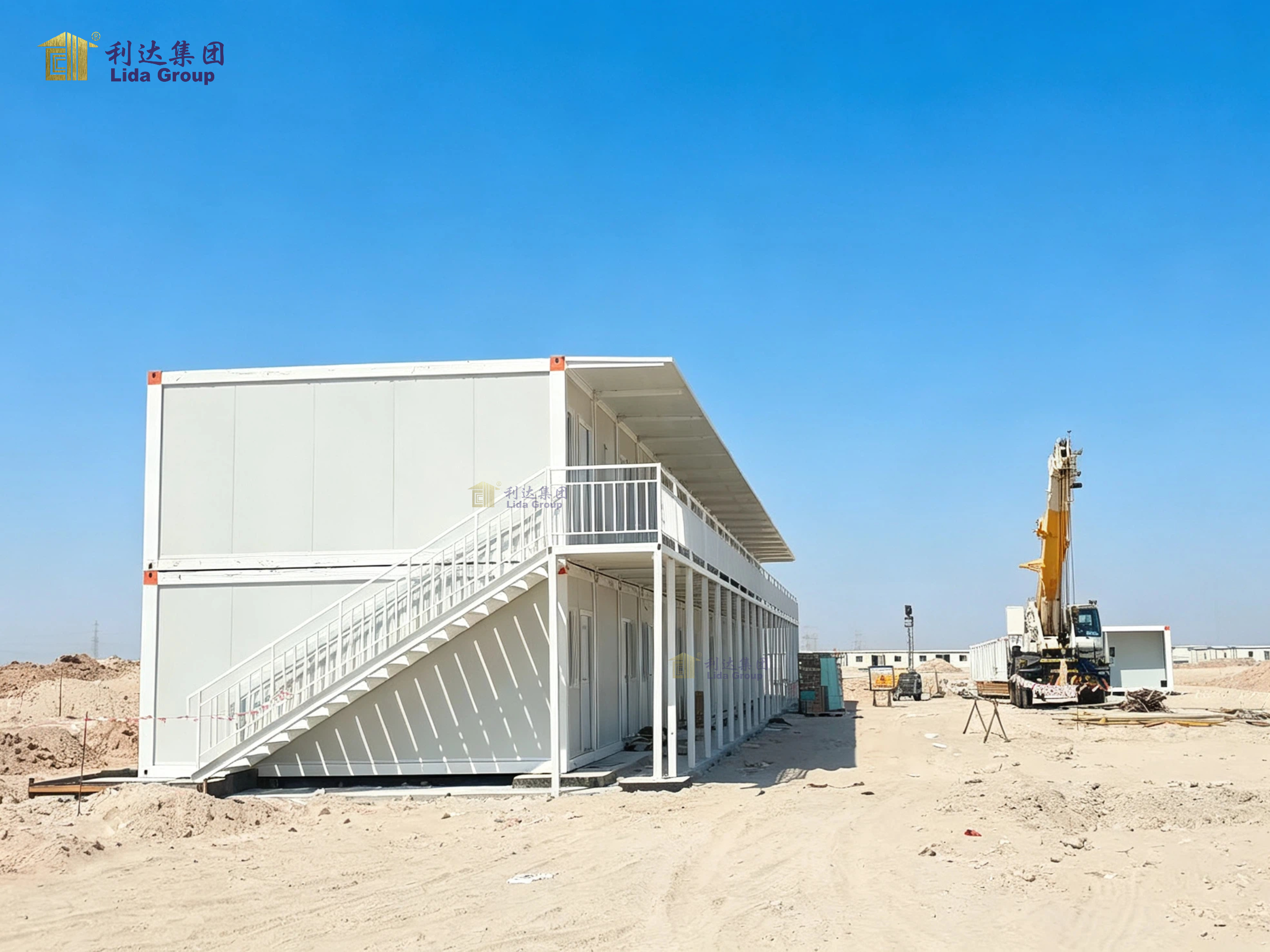
The structural reliability of Lida Group’s container housing units forms the core advantage supporting long-term humanitarian settlement. Each unit is built on a robust galvanized steel frame foundation, delivering exceptional structural rigidity, wind resistance, and seismic stability suitable for complex and harsh remote terrains. The steel frame undergoes professional anti-corrosion and rust-proof treatment, effectively resisting oxidation, humid air erosion, and long-term outdoor weather aging, even in barren, high-wind, and dusty conflict-affected areas. Compared with flimsy tent structures, the rigid container frame provides stable physical protection, preventing structural damage from extreme weather and minor geological vibrations common in post-conflict regions. The fully enclosed sealed structure eliminates rainwater leakage and dust penetration, maintaining clean, dry, and safe indoor living conditions throughout different seasons and weather conditions. This durable structural performance extends the service cycle of emergency housing, avoiding frequent replacement and reducing the overall resource consumption of humanitarian relief operations.
To adapt to the basic living needs of displaced populations, the standardized portable housing units are equipped with high-performance insulated composite wall and roof panels that greatly enhance residential comfort and environmental adaptability. The multi-layer composite panel structure features excellent thermal insulation and temperature regulation performance, effectively isolating external extreme heat and cold and maintaining a mild and stable indoor temperature year-round. This design significantly reduces the incidence of temperature-related illnesses among residents, protecting the physical health of vulnerable groups including children, the elderly, and injured individuals. Meanwhile, the panels deliver reliable sound insulation performance, reducing external noise interference and creating a relatively quiet and private living space for displaced families. All enclosure materials comply with international Class A fire protection standards, featuring flame-retardant and non-combustible properties that effectively lower fire risks in densely populated resettlement camps, greatly improving overall camp safety compared with traditional flammable tent shelters.
Portability and rapid deployability are key characteristics that make these container housing units uniquely suited for remote conflict relief missions. Remote conflict regions typically feature poor road conditions, insufficient construction equipment, and scarce local construction manpower, making large-scale on-site building construction nearly impossible. Lida Group’s prefab container units solve this problem completely through full off-site prefabrication and integrated packaging. All units are completed with internal decoration, basic pipeline layout, and door and window installation in the factory, forming fully functional standalone housing spaces. After transportation to remote resettlement sites, local personnel can complete positioning, assembly, and fixing with simple tools within a short time, without complex welding, concrete pouring, or professional construction operations. This ultra-fast deployment mode allows aid teams to complete large-scale resettlement camp construction in days rather than months, quickly providing stable shelter for displaced populations and improving the timeliness of humanitarian rescue.
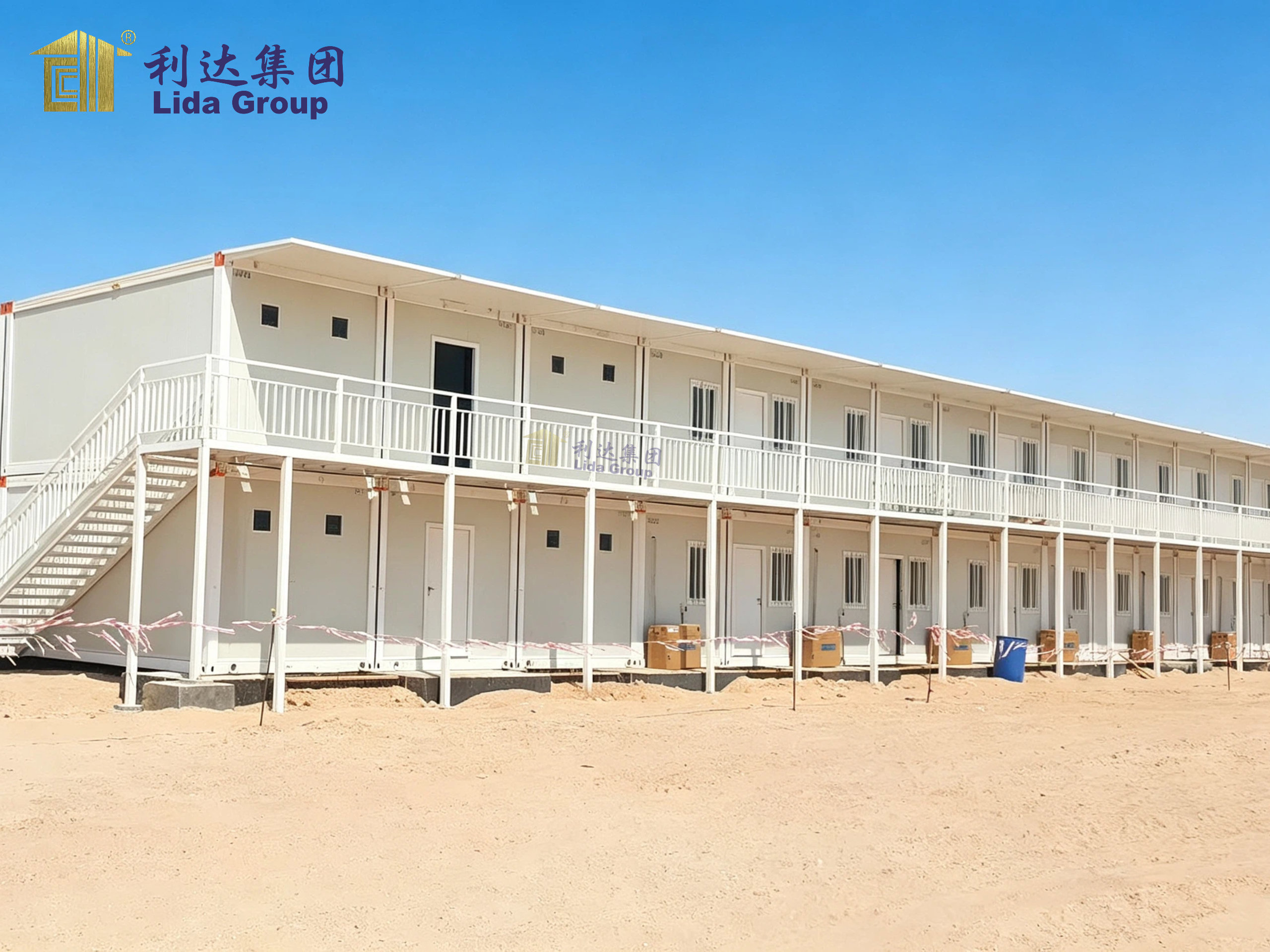
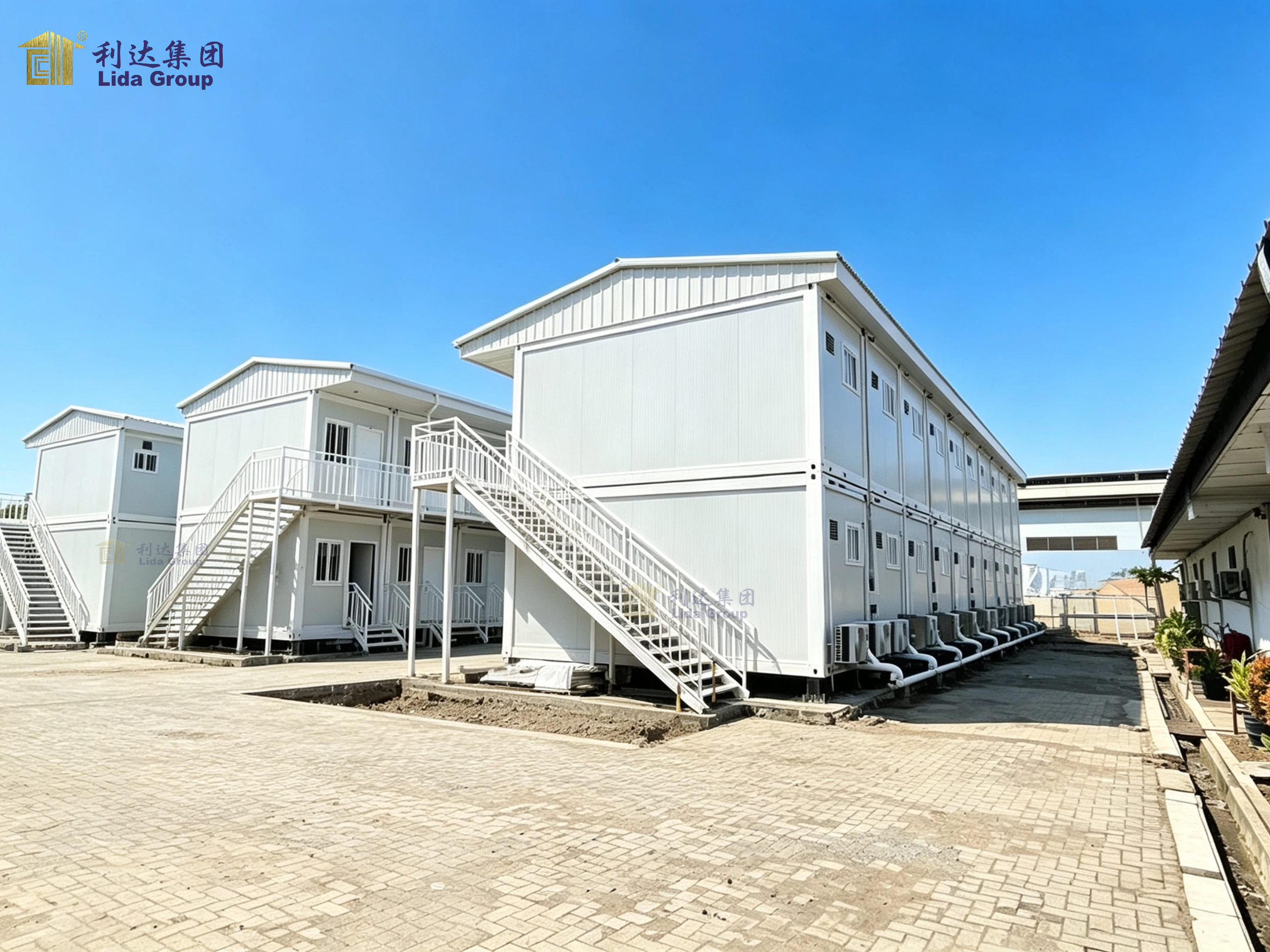
Standardized modular design also brings superior operational flexibility and camp manageability for long-term humanitarian relief. The unified unit size and structural interface support flexible horizontal splicing and orderly array arrangement, enabling aid teams to plan standardized residential blocks, public activity areas, and supporting service zones according to population scale and site conditions. Neat and uniform camp layouts facilitate daily management, personnel registration, and material distribution for aid organizations, effectively improving the operational efficiency of on-site relief work. In addition, the independent and modular nature of container units allows flexible adjustment of camp scale. When the regional humanitarian situation improves or population mobility changes, the units can be disassembled, transported, and redeployed to other high-demand areas, realizing repeated utilization and maximizing the value of relief resources. This reusable feature greatly reduces the long-term investment cost of humanitarian housing projects and supports sustainable relief operations.
Beyond basic shelter functionality, the upgraded container housing units restore basic human dignity and normal living order for displaced communities. Different from the cramped, open, and undifferentiated space of tents, each container unit provides relatively independent private space, protecting the personal privacy of families and vulnerable groups. The standardized indoor layout reserves reasonable living space for daily rest, storage, and simple indoor activities, effectively alleviating the psychological pressure and sense of displacement caused by long-term temporary shelter. Well-ventilated and fully enclosed indoor environments improve overall living hygiene, reduce bacterial breeding and cross-infection risks, and create healthier living conditions for residents. Stable and orderly housing environments also help restore community cohesion, laying a solid foundation for post-conflict psychological recovery and social reconstruction of displaced populations.
Conclusion
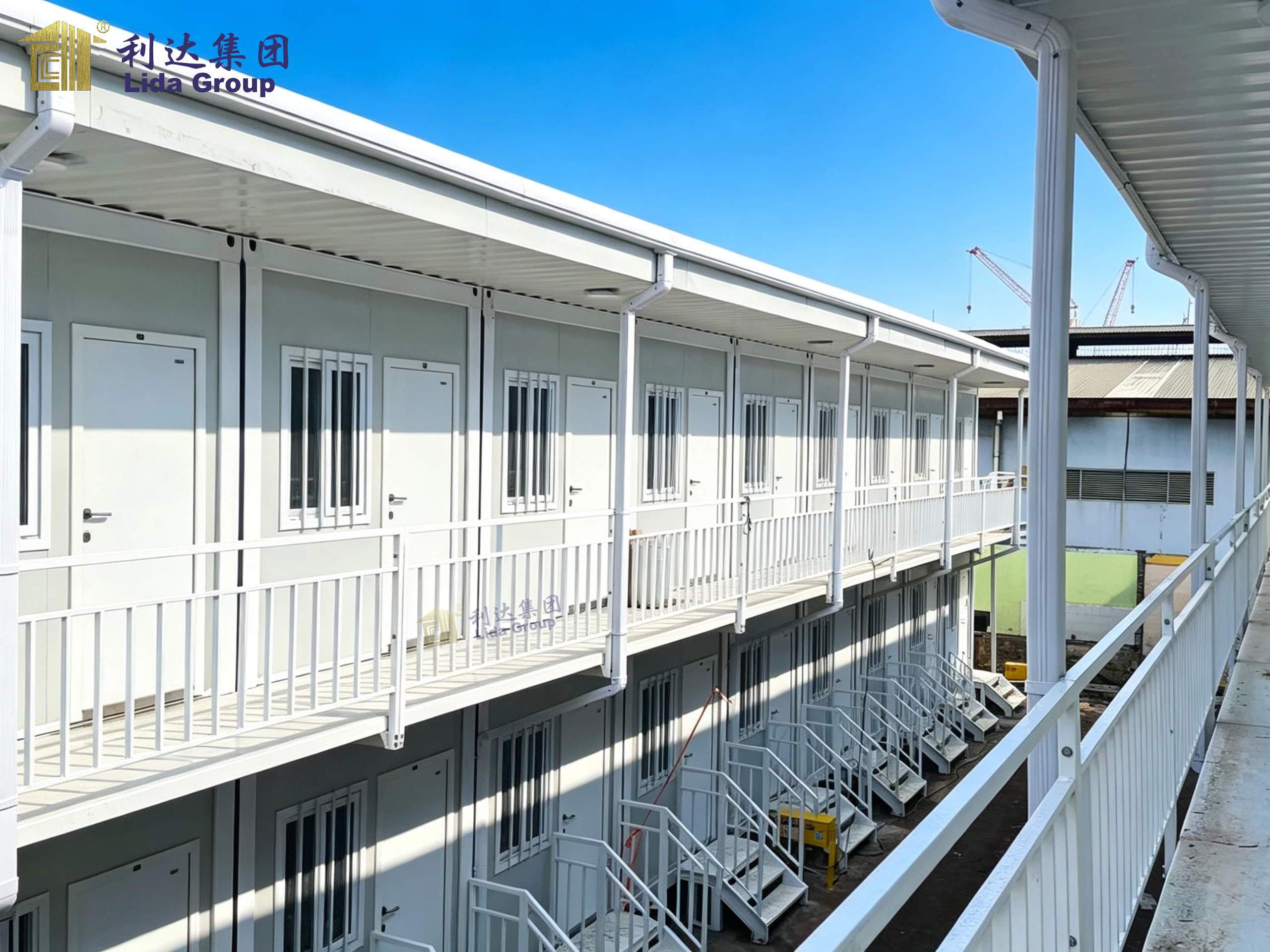
In summary, the partnership between the international aid group and Lida Group delivers a transformative standardized portable container housing solution for remote conflict-affected regions, effectively addressing the long-standing shortcomings of traditional tent-based emergency shelters. Relying on high-strength anti-corrosion steel frame structures, high-performance insulated enclosure systems, and fully prefabricated modular technology, these container housing units achieve comprehensive upgrades in structural safety, weather adaptability, living comfort, and rapid deployment capability. They solve the problems of poor durability, harsh living conditions, low safety, and difficult large-scale deployment that plague conventional emergency shelters, providing stable, dignified, and long-term usable housing for displaced populations in remote conflict zones. At the same time, the solution’s flexible combination, reusable performance, and standardized camp layout greatly improve the efficiency and sustainability of humanitarian relief operations. This successful collaborative model provides a replicable and reliable reference for global humanitarian housing assistance, promoting the standardized and high-quality development of emergency shelter systems and bringing more stable living guarantees to crisis-affected communities worldwide.
Post time: Sep-15-2026