
01 Introduction: The Cost Challenge of Large-Scale Camps
Large-scale construction projects share a common burden: they require a great many people, and all of those people need somewhere to live near the site. Dams, highways, power plants, industrial complexes, and long infrastructure programs often operate far from towns, which means the housing for the workforce must be built as part of the project itself. Providing this housing is expensive, and the way it is done has a direct effect on the project’s budget. For many operators, the answer lies in prefabricated houses, which offer the quality and comfort a large workforce needs while keeping the cost firmly under control.
This article explains why prefab houses are ideal for large-scale construction camps, focusing on the economics that make them a budget-friendly choice. It looks at how factory fabrication lowers the cost of the buildings, how speed of deployment reduces the hidden costs of delay, and how durability and efficient operation protect the budget over the life of the camp. It also considers the flexibility and comfort that keep a camp aligned with a project that changes and with the people who depend on it. The goal is to show operators that a prefab camp is not merely a cheaper option but a smarter one, delivering reliable workforce housing without the waste that conventional building often brings.
02 The Real Cost of Housing a Large Workforce
Housing a large workforce is one of the most significant expenses a construction project faces. The cost is not limited to the price of the buildings themselves; it includes the time spent waiting for the buildings to be ready, the energy used to keep them running, the maintenance they require, and the consequences of housing that fails to meet the needs of the people who live in it. When all of these are added together, the true cost of accommodation can be far greater than the initial purchase price, and it can quietly erode the profitability of the entire project.
Prefab houses change this picture in a fundamental way. Because they are built in a factory, they can be produced efficiently at scale, lowering the cost per unit of housing. Because they arrive ready to use, they reduce the time and labour needed to bring a camp online. Because they are durable and efficient, they cost less to run and maintain over time. And because they provide good living conditions, they help keep the workforce stable and productive. Each of these advantages contributes to a total cost of ownership that consistently favors a prefabricated camp over the life of the project.
03 Factory Fabrication: Economy Through Scale
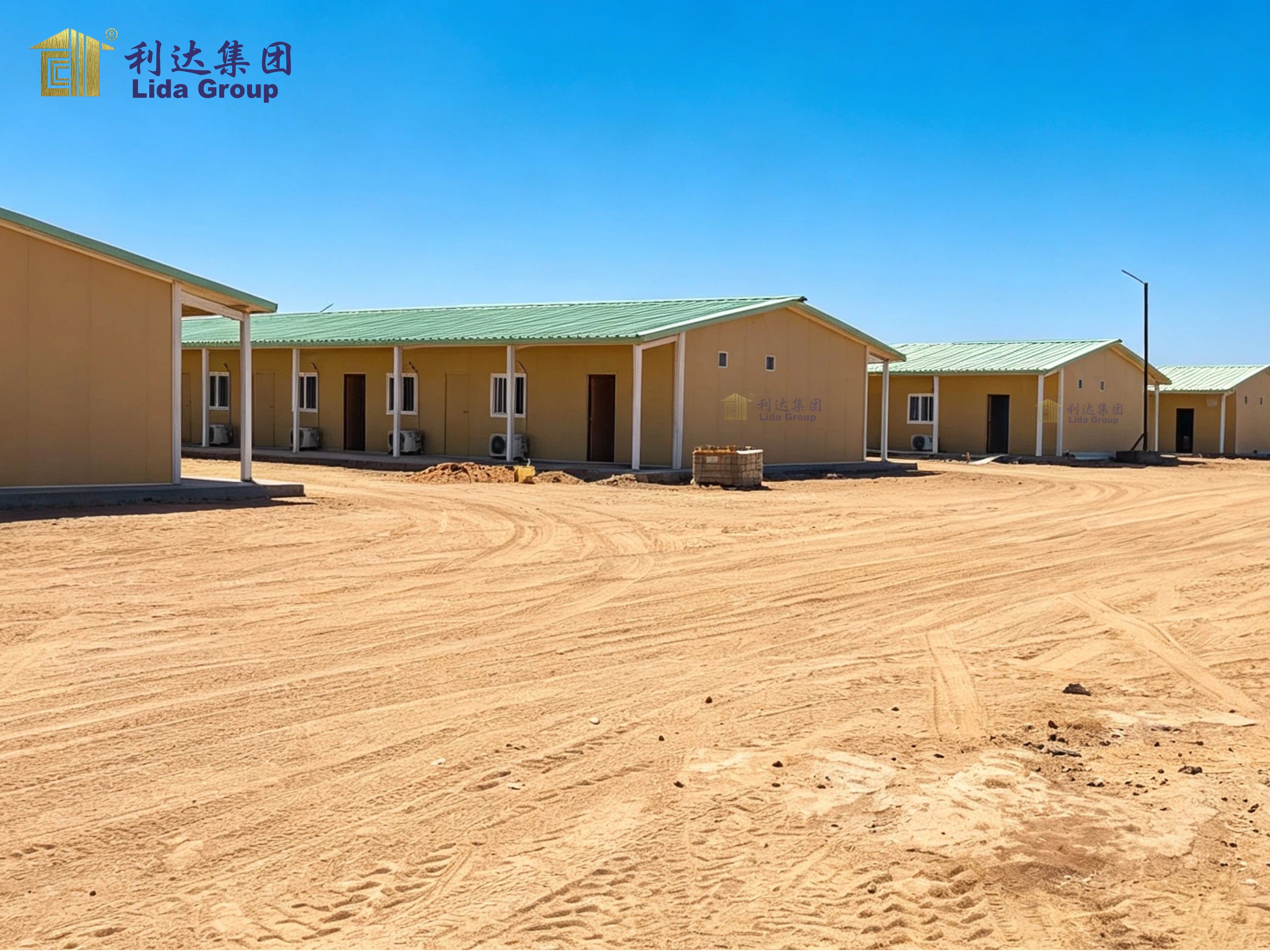
The most direct source of savings in a prefab camp is the way the houses are made. When buildings are manufactured in a controlled factory, using standardized designs and established processes, their cost falls naturally. Materials are purchased in volume, labour is used efficiently, waste is minimized, and quality is easier to control. Lida applies these advantages across its range of prefab houses, so that a large camp benefits from manufacturing efficiencies that a site-built building, constructed one-off in the field, can never match.
Scale brings further economies. A project that needs many identical houses can take full advantage of standardized production, and the more units are built, the lower the cost of each one becomes. This is especially valuable for a large-scale camp, where housing represents a major portion of the budget. Because every unit is produced to the same proven design, the operator also avoids the expense and risk that come with designing a unique building for every stage of the project. By turning housing from a costly one-off into a standardized, repeatable product, factory fabrication makes it possible to provide comfortable accommodation for a large workforce at a price that the project can actually support.
04 Speed: Cutting the Hidden Cost of Delay
In a construction project, the cost of time is enormous. Every day that the workforce cannot be housed is a day that progress is delayed, and every delay adds to the cost of the project. Conventional camp construction ties up a project for months, with foundations, framing, and finishing all completed on site. During that period, workers may need expensive temporary arrangements, or the project may simply wait, accumulating costs while producing nothing.
Prefab houses eliminate this bottleneck. Because the buildings are manufactured off site, in parallel with whatever preparation is needed at the camp location, they can be delivered and installed in a fraction of the time required for conventional building. Once on site, the houses are positioned, secured, and connected to power and water, and the camp can be occupied quickly. This speed gets the workforce housed sooner, the project started earlier, and the savings from an earlier start become a direct benefit to the budget. In the economics of a large project, time saved is money saved.
05 Durability: A Building That Lasts and Pays for Itself
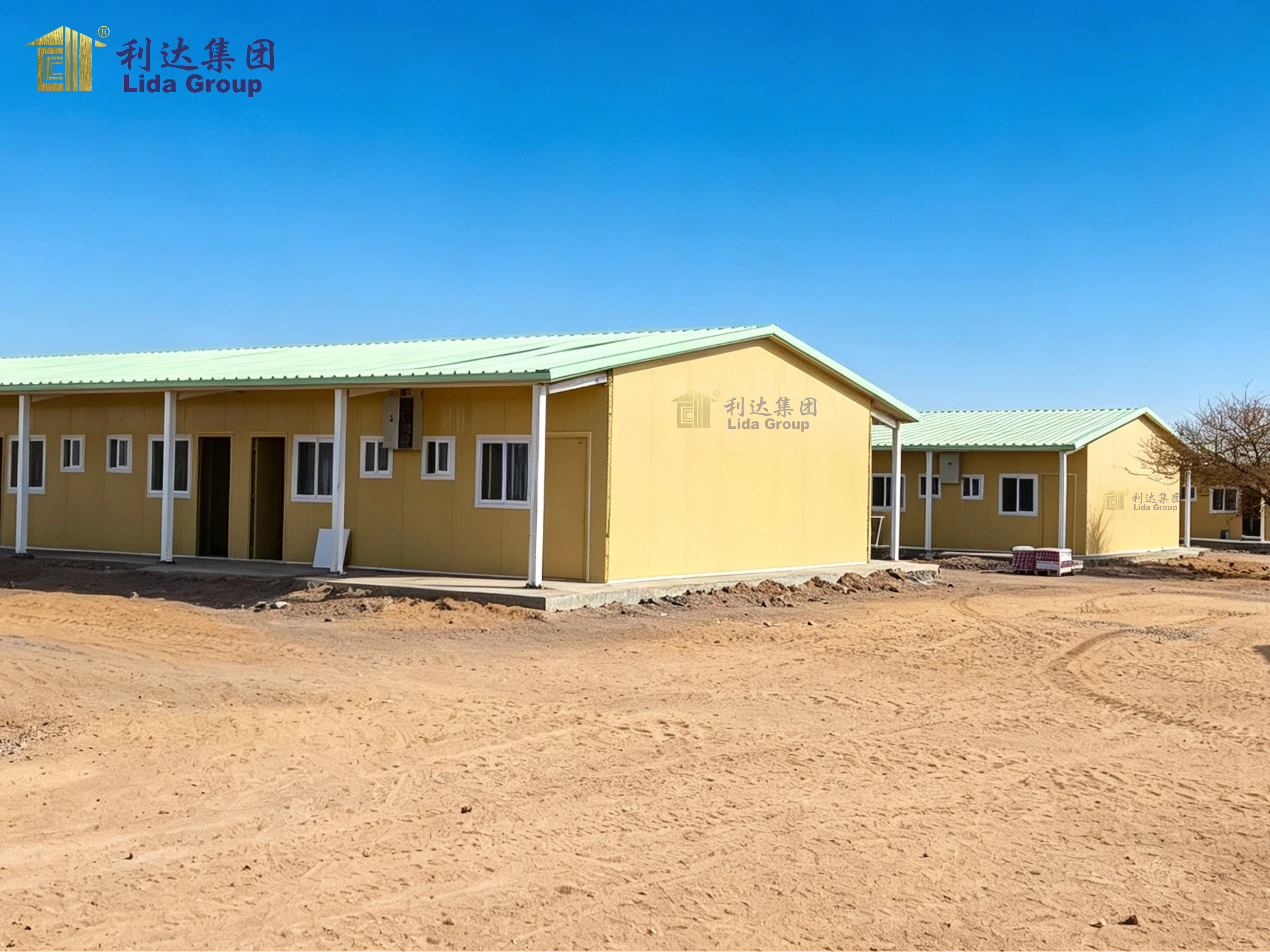
A budget-friendly building must be durable, because replacement is the most expensive option of all. Prefab houses built to a high standard are engineered to serve for many years, surviving the demands of a busy construction site, repeated use, and the challenges of transport and relocation. This longevity spreads the initial investment across a longer working life, so that the cost of housing per year of service is genuinely low.
Durability also reduces the cost of maintenance and repair. A well-built prefab house resists the wear and moisture damage that shorten the life of lesser structures, so it needs less attention over the years and causes less disruption when problems would otherwise arise. Because a large camp may operate for the duration of a multi-year project, this reliability is especially valuable. A camp that keeps its buildings in good condition avoids the expense of constant patching and keeps the housing dependable from the first day to the last, so that the operator can plan its costs with confidence over the whole life of the project.
06 Operating Efficiency: Saving Money Every Day
The cost of a camp does not end when the buildings are in place; it continues every day the camp operates. Energy, water, maintenance, and staffing all add to the running cost, and a well-designed building can reduce each of these. Prefab houses built with good insulation and efficient climate systems use less energy, which is a significant saving in remote locations where fuel must be transported at great expense. Durable, easy-to-clean finishes simplify housekeeping and reduce the frequency of repair.
There is also a human side to operating efficiency. A camp that is comfortable, safe, and well-maintained supports a stable workforce, and a stable workforce is a cheaper workforce. When workers are housed well, they are less likely to leave, and the operator avoids the cost of recruiting, training, and transporting replacements. Reduced turnover and higher morale appear directly in the project’s bottom line. In this way, an efficient, well-built camp protects the budget not only through lower operating costs but through a more effective and dependable team.
07 Flexibility for a Project That Changes
Large-scale projects rarely stay the same from start to finish. Workforces grow and shrink, phases shift, and a camp built for one stage of the project may need to change for the next. Prefab houses are well suited to this reality, because they can be added, removed, or rearranged as the project’s needs change. A camp can expand quickly to accommodate a growing workforce, or be scaled down without leaving unused buildings behind.
This flexibility protects the operator’s investment. Because prefab houses can be relocated, a building that is no longer needed at one site can be moved to another rather than written off. Because they are standardized, spare parts and support are consistent across the camp, so a maintenance team learns a single set of systems rather than managing many different ones. And because they are proven, an operator can specify them with confidence and rely on predictable performance. For a project that will evolve over years, the ability of a prefab camp to change with it is a practical and financial advantage that conventional building cannot easily match.
08 Comfort That Keeps the Workforce on Site
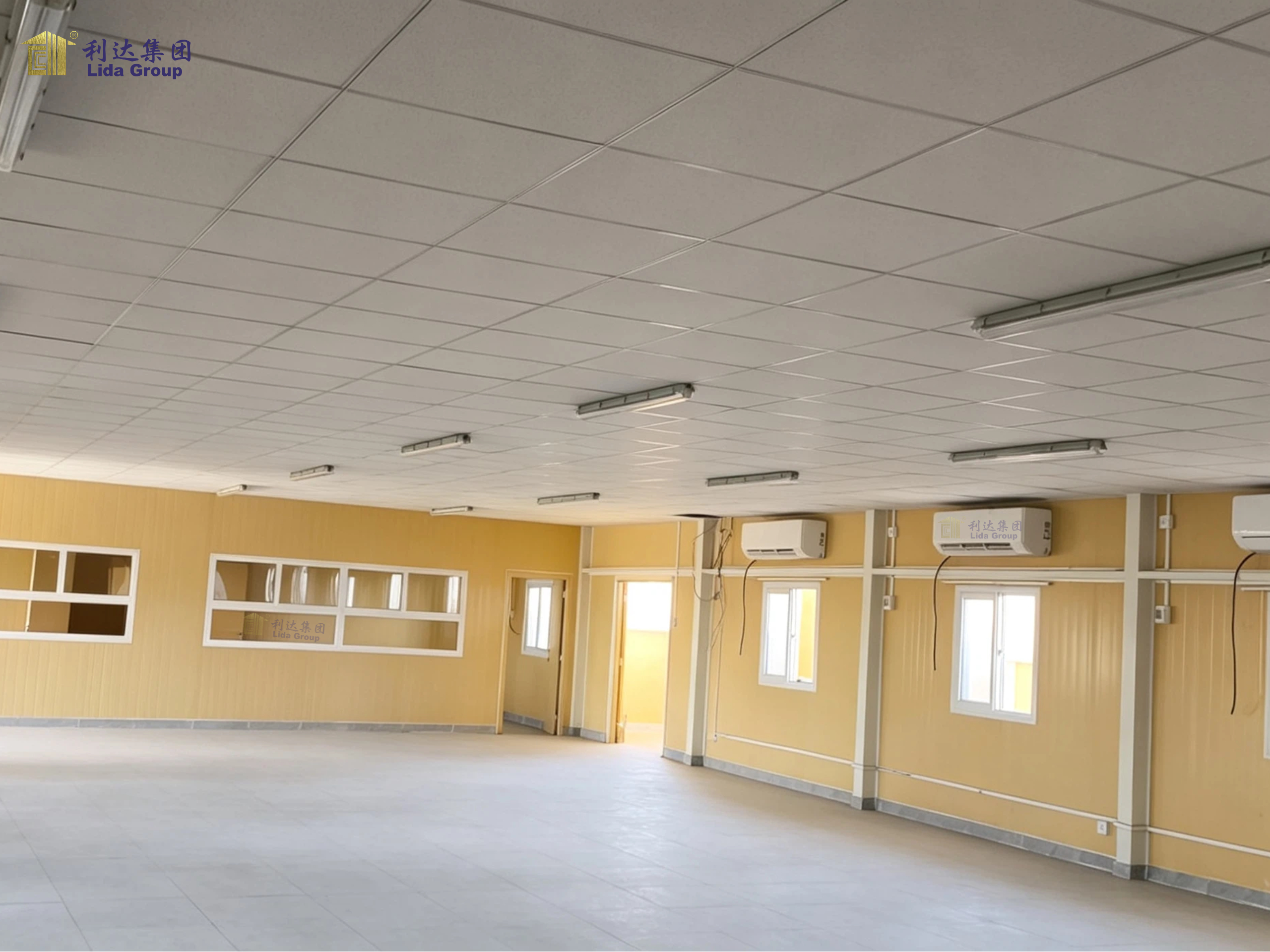
A camp is only as good as the people who live in it, and comfort is central to keeping those people on site and performing. A worker who cannot rest well, stay dry, or feel safe is a worker who is more likely to leave, and turnover at a large camp is expensive. Prefab houses are designed to provide genuine comfort, with reliable heating and cooling, good ventilation, and a clean, well-planned interior that supports rest and recovery.
Comfort also extends to the way the camp is arranged, with space for each worker’s personal needs and shared areas for cooking, eating, and relaxing after a shift. Sanitary facilities are built to the same standard, ensuring that daily life is simple and dependable far from any town. The layout is planned to reduce noise between berths so that rest is not disturbed by activity elsewhere, and steady power keeps lighting, heating, and personal devices working as expected. By treating comfort as part of the housing solution rather than an extra, prefab camps support a stable and effective workforce, which in turn protects the schedule and budget of the whole project. In the end, the most cost-effective housing is the housing that keeps people working.
09 Conclusion: A Budget-Friendly Camp Is a Smarter Camp
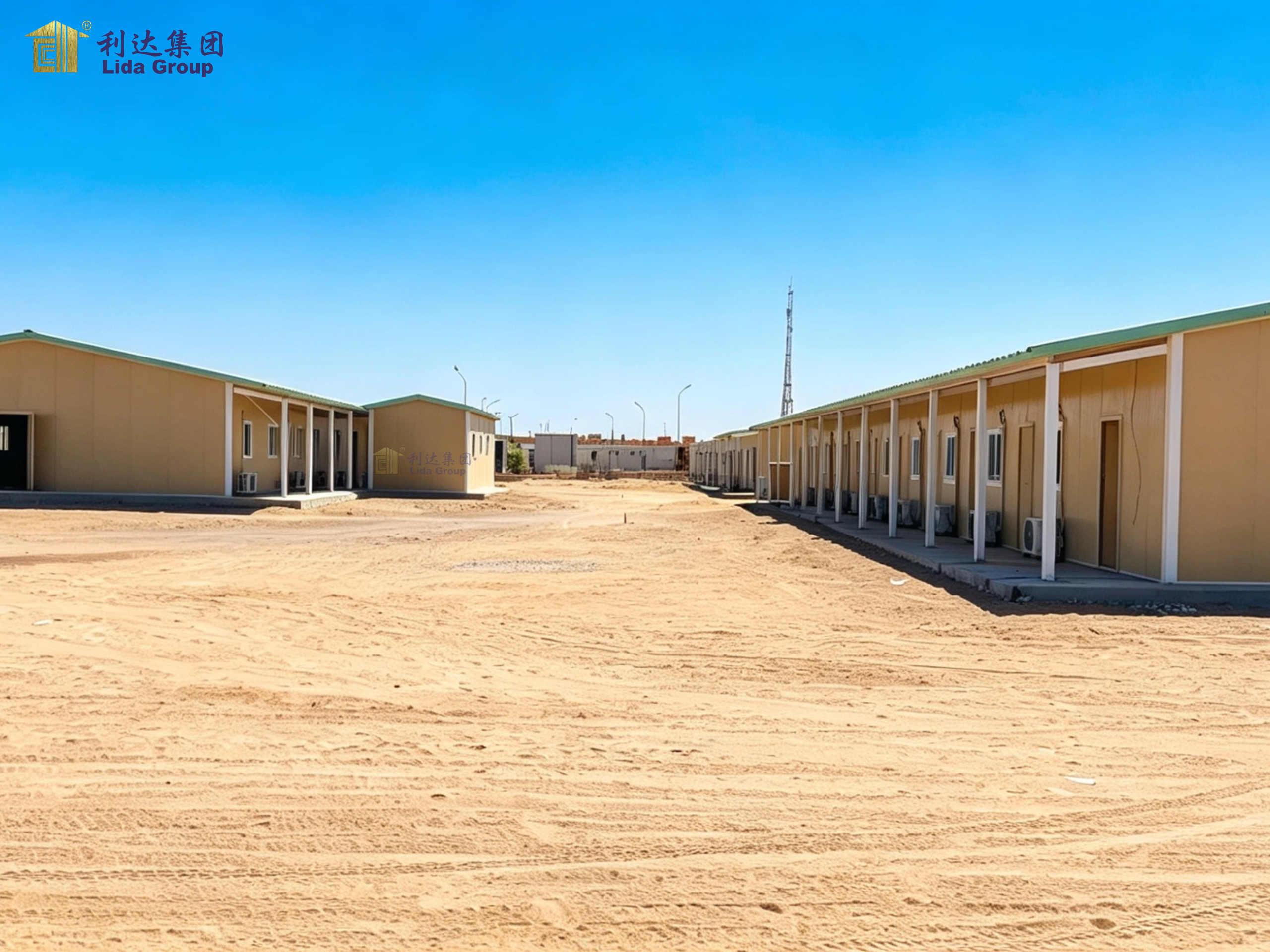
Prefab houses are ideal for large-scale construction camps because they deliver quality workforce housing while keeping the cost firmly under control. The savings begin with factory fabrication, which produces standardized buildings efficiently and at scale. They continue through speed, which gets the camp online and the project started sooner. And they endure through durability, operating efficiency, flexibility, and comfort, all of which reduce the long-term cost of running the camp and keep the workforce stable and productive. Together, these advantages make the total cost of a prefab camp, measured over its full working life, consistently lower than that of conventional alternatives.
For operators who must house a large workforce at a remote site, the choice is not simply between a cheap building and an expensive one. It is between a solution that creates ongoing savings and one that quietly accumulates cost. A prefab camp is designed to be the former, offering a durable, efficient, and flexible product that protects the project budget from the moment it is ordered until long after it is in service. In the end, a budget-friendly camp is not one that skimps on quality but one that spends its money wisely, and that is exactly what prefab houses provide.
Post time: Oct-21-2026