
Introduction: A New Solution for Faster Disaster Response and Humanitarian Relief
Natural disasters such as earthquakes, floods, hurricanes, and severe storms continue to affect communities around the world, causing significant damage to homes, infrastructure, and public facilities. When disasters occur, providing safe and reliable temporary accommodation for affected populations becomes one of the most urgent priorities.
Traditional emergency shelters often face challenges related to transportation, installation speed, durability, and living comfort. Simple tents may be deployed quickly, but they provide limited protection against harsh weather conditions and cannot always meet the long-term needs of displaced communities. Meanwhile, conventional construction methods require significant time, labor, and resources, making them unsuitable for immediate disaster response.
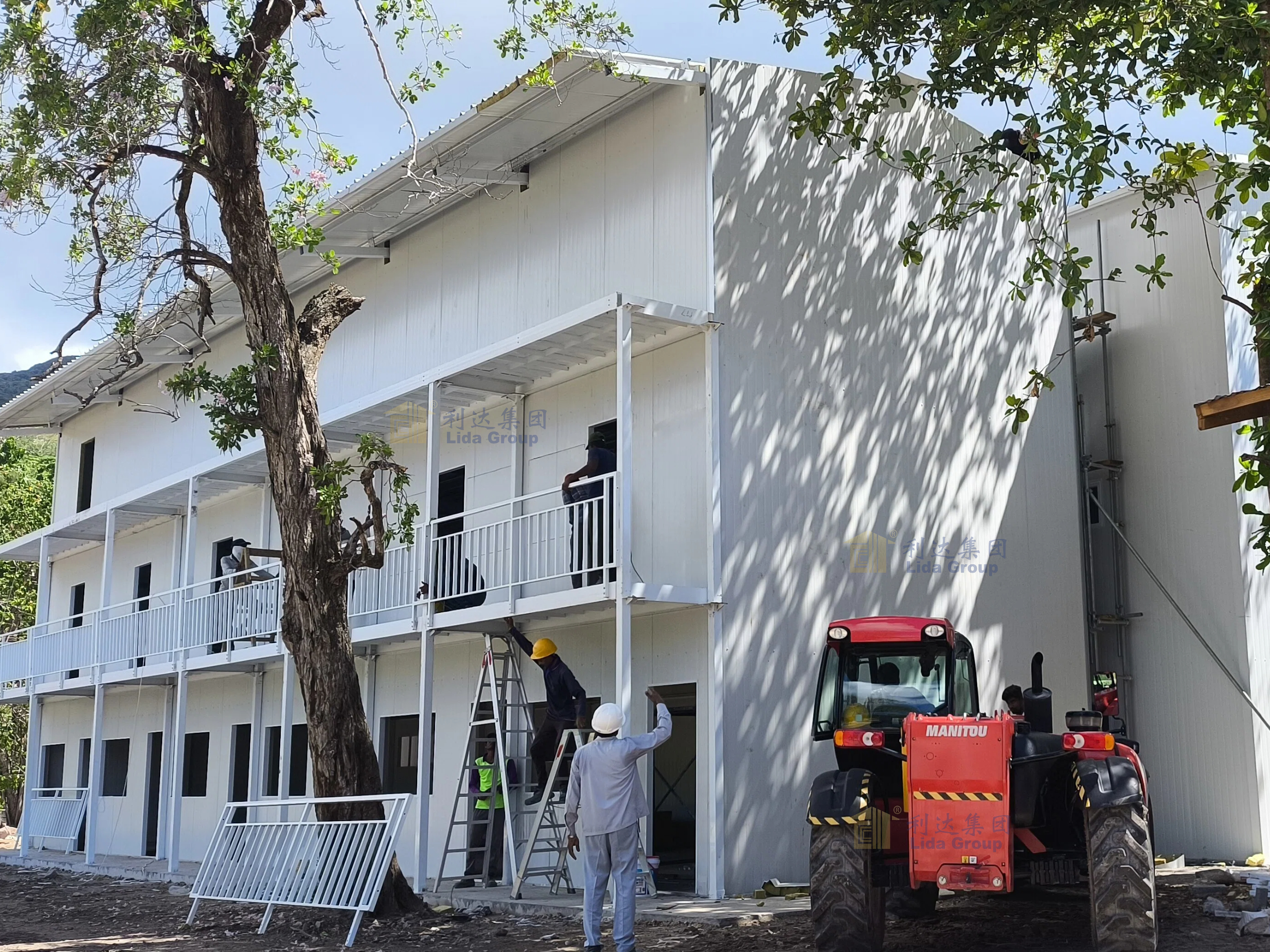
To address these challenges, a Chinese construction firm unveils an innovative emergency shelter made from insulated structural wall panels, designed for rapid deployment after natural disasters. By combining prefabricated construction technology, advanced insulation materials, and efficient modular design, this emergency shelter solution provides a safer, more comfortable, and more durable alternative for disaster relief operations.
The insulated structural wall panel emergency shelter is engineered to achieve fast installation while maintaining excellent thermal performance, structural stability, and weather resistance. It can be transported efficiently, assembled quickly, and adapted to different emergency scenarios.
Through this innovative approach, the company demonstrates how modern prefabricated building technology can support humanitarian efforts and improve disaster response capabilities worldwide.
The Growing Need for Advanced Emergency Shelter Solutions
Addressing Challenges in Post-Disaster Recovery
After a major natural disaster, thousands or even millions of people may suddenly lose access to safe housing. Emergency shelters play a critical role in providing immediate protection and supporting recovery efforts.
However, disaster relief organizations often face several challenges when deploying temporary accommodation:
- Difficult transportation to affected areas
- Limited availability of construction resources
- Extreme weather conditions
- Lack of comfortable living environments
- The need for rapid installation
A successful emergency shelter must provide more than basic protection. It should offer a safe, stable, and comfortable environment where displaced residents can recover while permanent reconstruction takes place.
Modern emergency shelters need to balance several key factors:
- Rapid deployment
- Structural safety
- Thermal insulation
- Weather resistance
- Cost efficiency
- Reusability
The insulated structural wall panel shelter developed by the Chinese firm addresses these requirements through advanced prefabricated construction methods.
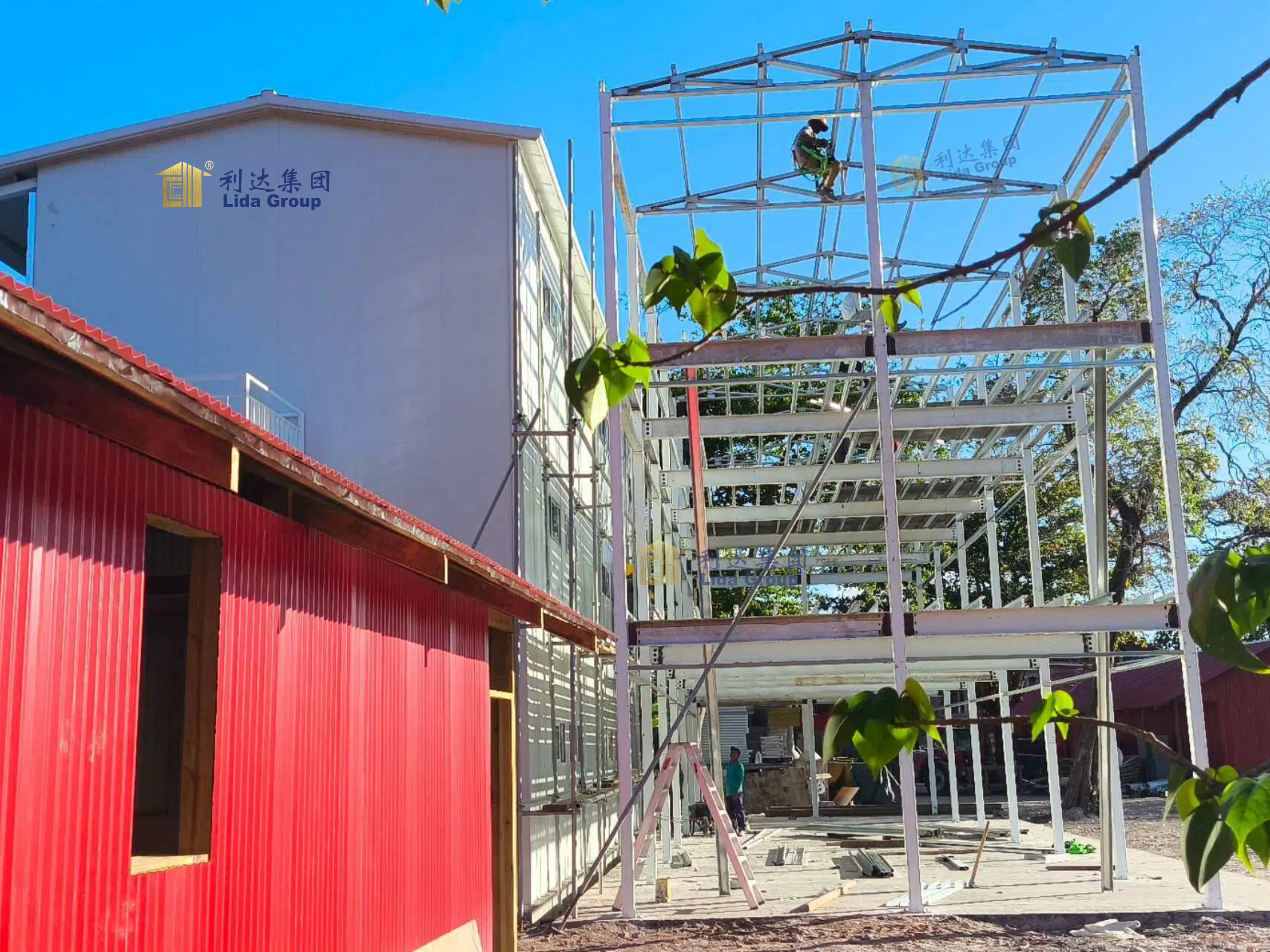
Understanding Insulated Structural Wall Panel Emergency Shelters
Combining Strength, Insulation, and Modular Construction
Insulated structural wall panels are advanced building components designed to provide multiple functions within a single system. Unlike traditional walls that require separate structural, insulation, and finishing layers, insulated panels combine these functions into one efficient building element.
A typical insulated structural wall panel consists of:
- Protective outer layers
- High-performance insulation core
- Structural reinforcement components
This integrated design provides several advantages:
- Strong structural performance
- Improved energy efficiency
- Reduced construction complexity
- Faster installation
- Better indoor comfort
For emergency shelter applications, these features are especially valuable because they allow buildings to be deployed quickly while maintaining a high level of protection.
The modular design enables individual shelter units to be manufactured in advance and transported to disaster areas when needed.
The Chinese Firm’s Innovative Approach to Emergency Housing
Developing Practical Solutions for Humanitarian Needs
The development of the insulated structural wall panel emergency shelter reflects a growing trend in the construction industry toward flexible and efficient building systems.
The company focuses on creating emergency accommodation solutions that combine industrial manufacturing advantages with real-world disaster response requirements.
The complete solution includes:
- Shelter design
- Structural engineering
- Factory production
- Quality inspection
- Transportation planning
- Installation support
By producing shelter components in controlled factory environments, the company can ensure consistent quality and reduce the uncertainties often associated with emergency construction.
This approach allows relief organizations and governments to prepare reliable emergency housing solutions before disasters occur.
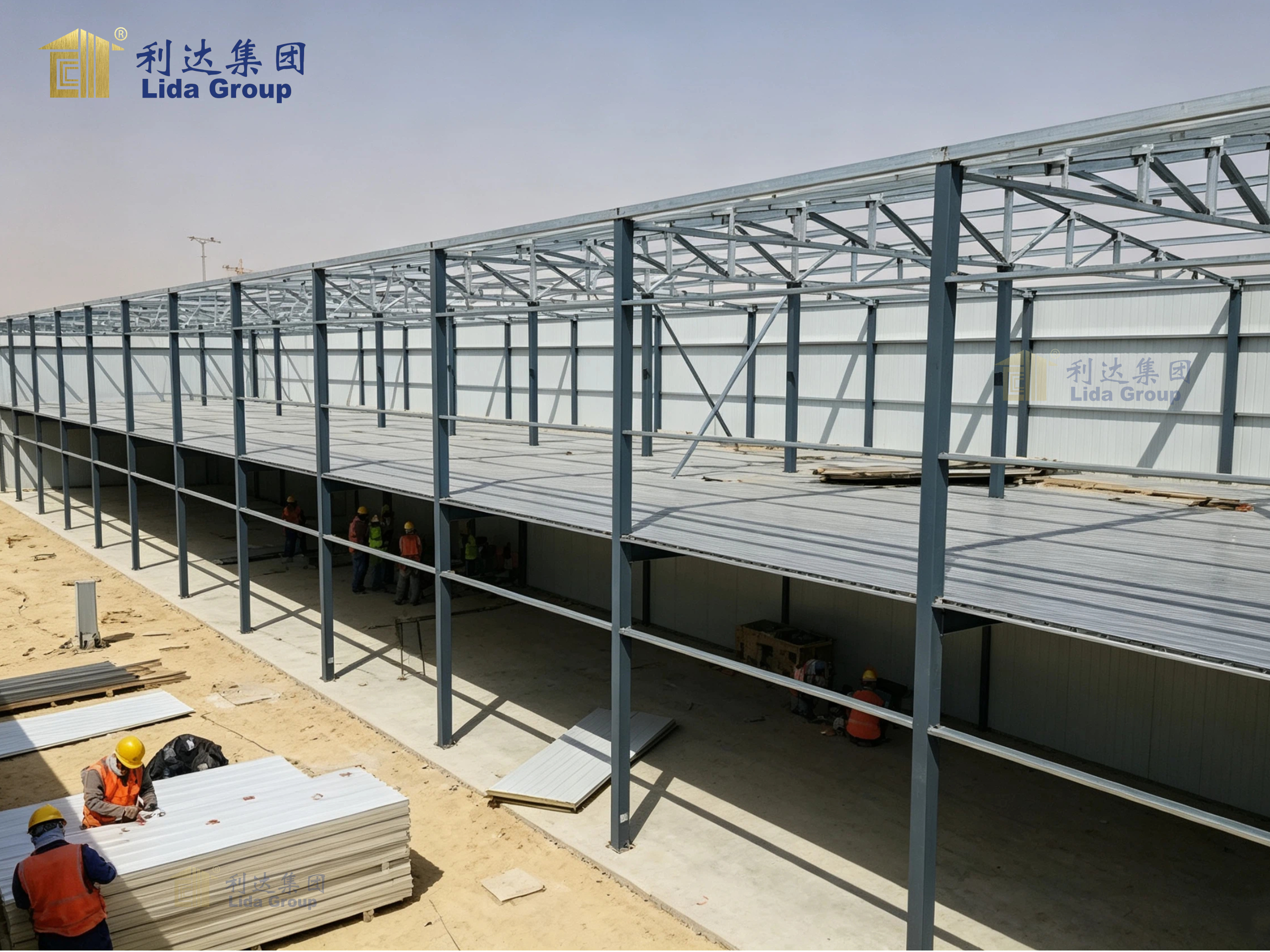
Key Features of the Insulated Structural Wall Panel Emergency Shelter
1. Rapid Deployment After Natural Disasters
One of the most important advantages of the new emergency shelter system is its ability to be deployed quickly.
After disasters, time is one of the most critical factors. A delayed response can increase risks for affected populations, especially in extreme weather conditions.
The prefabricated shelter system improves response efficiency through:
- Factory-produced components
- Standardized modular design
- Simplified assembly procedures
- Reduced on-site construction requirements
Shelter units can be transported to affected locations and assembled within a short period compared with traditional buildings.
This rapid deployment capability makes the system suitable for emergency situations where immediate accommodation is required.
2. Excellent Thermal Insulation Performance
Creating Comfortable Living Conditions in Extreme Environments
One of the biggest limitations of traditional temporary shelters is poor insulation performance.
Disaster areas may experience:
- Severe cold temperatures
- Extreme heat
- Heavy rainfall
- Strong winds
A shelter must protect occupants from these environmental challenges.
The insulated structural wall panels provide excellent thermal performance by reducing heat transfer between indoor and outdoor environments.
Benefits include:
- More stable indoor temperatures
- Reduced dependence on heating or cooling equipment
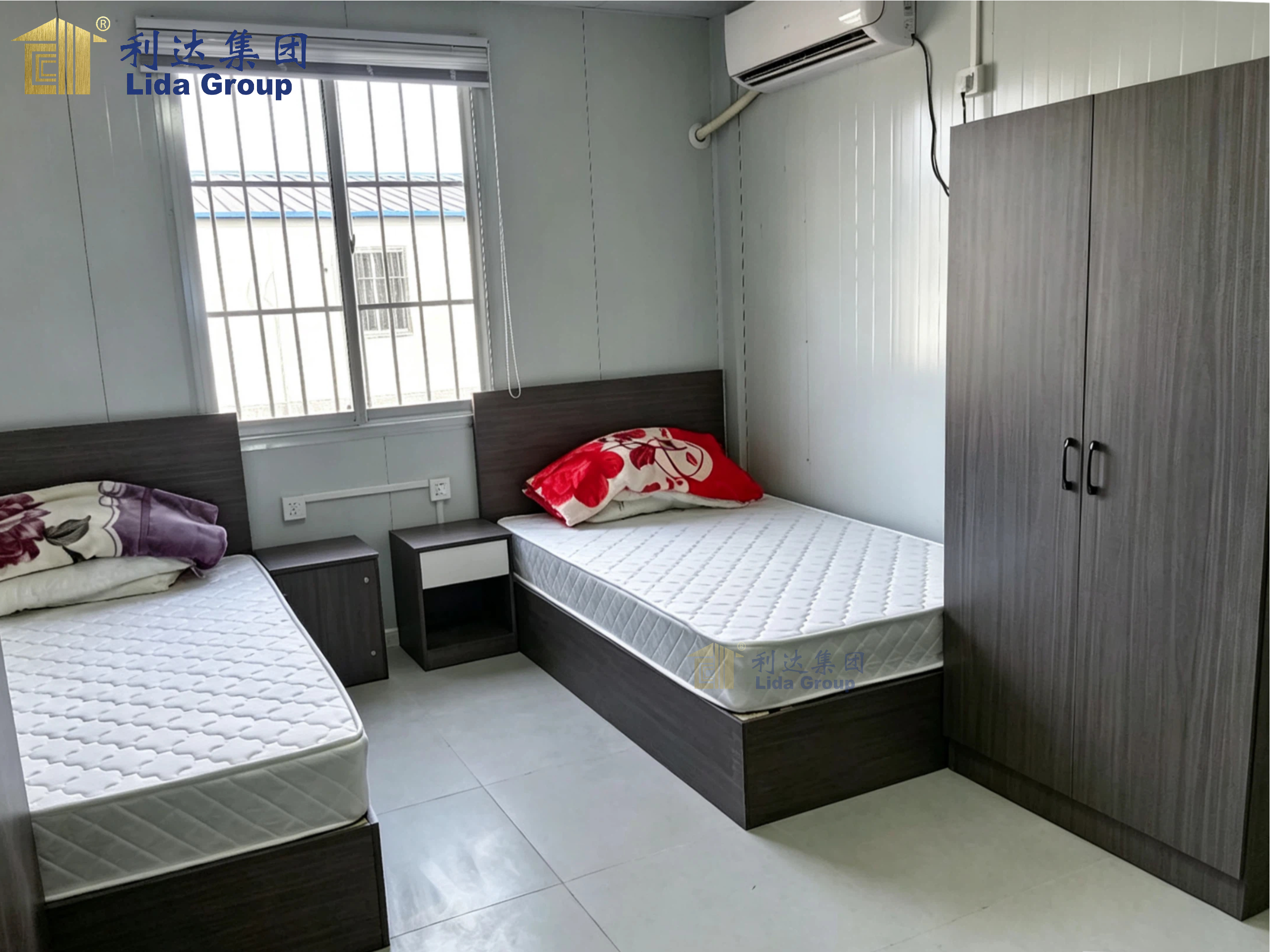
- Improved occupant comfort
- Better protection from harsh weather
This makes the emergency shelter suitable for different climates and geographical locations.
Whether deployed in cold mountainous regions or hot tropical areas, the insulated panel system helps create safer living conditions.
3. Strong Structural Safety and Durability
Reliable Protection During Challenging Conditions
Emergency shelters must be strong enough to withstand changing environmental conditions.
The insulated structural wall panel system provides reliable structural performance through:
- Durable building materials
- Stable connections
- Weather-resistant design
- Reinforced structural components
The shelter can be designed to resist common environmental challenges, including:
- Wind loads
- Rain exposure
- Temperature fluctuations
- Daily usage demands
Unlike simple temporary shelters, this system provides a more stable and durable living environment for disaster-affected communities.
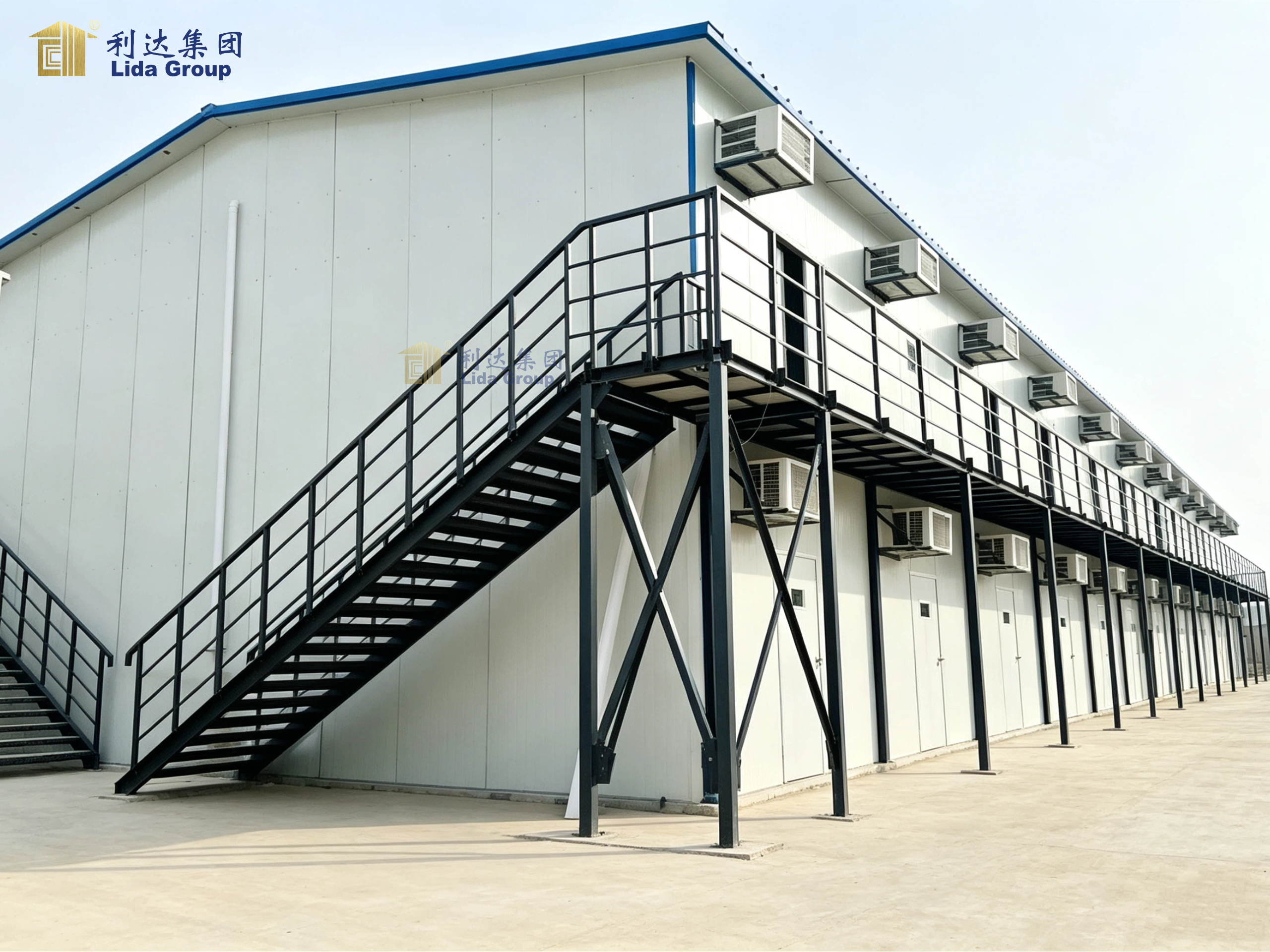
4. Efficient Transportation and Installation
Simplifying Emergency Response Operations
Transportation is often a major challenge during disaster relief operations. Damaged roads, remote locations, and limited infrastructure can make delivery difficult.
The modular design of the insulated panel shelter helps improve logistics efficiency.
Advantages include:
- Compact transportation requirements
- Standardized components
- Easy handling
- Simple assembly procedures
Because the shelter components are manufactured in advance, installation requires fewer resources and less specialized equipment.
This allows relief teams to establish temporary communities more efficiently.
5. Cost-Effective Emergency Housing Solution
Balancing Affordability and Quality
Large-scale disaster response often requires hundreds or thousands of shelter units. Therefore, cost efficiency is an important consideration.
The insulated structural wall panel system helps reduce overall costs through:
Factory Manufacturing
Mass production improves efficiency and reduces production expenses.
Reduced Labor Requirements
Simplified installation lowers construction labor costs.
Reusable Design
Shelters can potentially be relocated or reused for future emergency situations.
Lower Maintenance Needs
Durable materials reduce long-term maintenance requirements.
These advantages make the solution suitable for large-scale humanitarian applications.
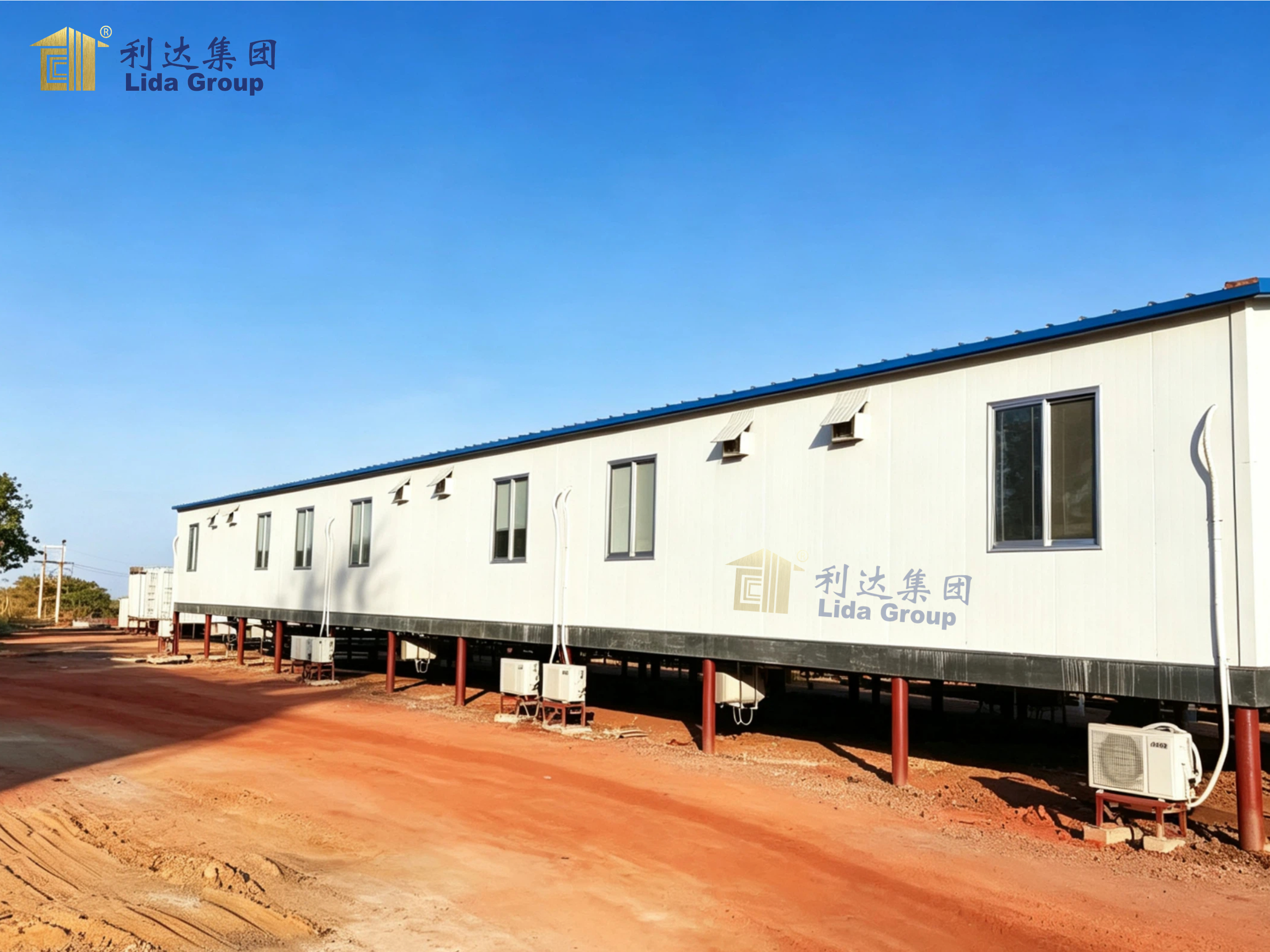
Applications of Insulated Structural Wall Panel Emergency Shelters
1. Earthquake Relief Housing
Earthquakes can destroy large numbers of homes within minutes, leaving communities in urgent need of temporary accommodation.
The insulated panel emergency shelter provides:
- Safe temporary housing
- Rapid installation
- Protection from weather conditions
- Comfortable recovery spaces
It can support residents during the transition period before permanent reconstruction.
2. Flood and Storm Disaster Response
Floods and storms often damage residential areas and force people to leave their homes.
Emergency shelters made from insulated structural wall panels can be quickly deployed to affected areas.
They provide:
- Dry and secure living spaces
- Improved weather protection
- Better comfort compared with traditional temporary shelters
3. Emergency Medical and Community Facilities
Beyond residential use, the shelter system can also support essential public services.
Possible applications include:
- Temporary medical clinics
- Relief operation centers
- Community service buildings
- Storage facilities
The modular design allows different functional spaces to be created according to emergency requirements.
4. Remote Area Housing Solutions
Some disaster-prone regions are located in remote areas where traditional construction is difficult.
The prefabricated shelter system provides a practical solution because it can be transported and assembled with limited local resources.
This makes it valuable for:
- Rural communities
- Island regions
- Mountain areas
- Developing regions
Manufacturing Process of the Emergency Shelter System
From Factory Production to Emergency Deployment
The quality and reliability of emergency shelters depend heavily on professional manufacturing processes.
The production process generally includes several stages.
Step 1: Design and Engineering
Engineers develop shelter designs based on:
- Climate conditions
- Usage requirements
- Transportation needs
- Safety standards
Step 2: Material Preparation
High-quality insulated panels and structural components are selected.
Step 3: Factory Manufacturing
Shelter components are produced under controlled conditions to ensure consistency.
Step 4: Quality Inspection
Each component is tested before delivery.
Step 5: Transportation and Assembly
Finished components are transported to disaster areas and assembled efficiently.
This systematic approach ensures that emergency shelters can be delivered quickly without compromising quality.
Environmental Benefits of Prefabricated Emergency Shelters
Supporting Sustainable Disaster Recovery
Modern disaster response increasingly considers environmental impact.
The insulated structural wall panel shelter supports sustainable development through several advantages.
Reduced Construction Waste
Factory production improves material efficiency.
Reusable Components
Shelters can be relocated or reused when appropriate.
Energy Efficiency
Better insulation reduces energy consumption.
Lower Environmental Disturbance
Fast installation reduces long-term construction activity at disaster sites.
These features make prefabricated emergency shelters a more sustainable option for humanitarian response.
The Future of Emergency Shelter Development
Moving Toward Smarter and More Resilient Solutions
As climate change increases the frequency and intensity of extreme weather events, the demand for advanced emergency housing solutions will continue to grow.
Future emergency shelters are expected to integrate:
- Smart monitoring systems
- Renewable energy technologies
- Improved materials
- More efficient logistics systems
- Advanced modular designs
The insulated structural wall panel shelter represents an important step toward more resilient disaster response infrastructure.
By combining construction innovation with humanitarian needs, prefabricated emergency housing can help communities recover faster and rebuild more effectively.
Conclusion: A New Generation of Emergency Shelters for Global Disaster Response
The Chinese firm’s insulated structural wall panel emergency shelter represents a significant advancement in rapid disaster response and temporary housing solutions.
By combining prefabricated construction technology, high-performance insulation materials, and modular design principles, the shelter provides a fast, safe, and cost-effective solution for communities affected by natural disasters.
Its advantages—including rapid deployment, excellent thermal insulation, structural durability, efficient transportation, and sustainable design—make it suitable for a wide range of emergency applications.
From earthquake recovery and flood response to temporary medical facilities and remote-area housing, this innovative shelter system demonstrates how modern construction technology can support humanitarian efforts.
As global challenges related to natural disasters continue to increase, reliable emergency accommodation will become more important than ever.
Through innovation, engineering expertise, and a commitment to improving disaster resilience, advanced prefabricated shelter solutions are helping create a safer future for communities around the world.

Contact us, please click here!
Post time: Aug-18-2026