
In recent years, the rapid expansion of higher education institutions worldwide has led to an increasing demand for student housing. Traditional dormitories often struggle to accommodate the growing number of students, leading universities to explore innovative solutions. One such solution gaining traction is the concept of container dormitories. This article delves into the benefits, design considerations, and potential challenges associated with container dormitories, demonstrating how they can provide smart, efficient housing options for students.
The Rise of Container Dormitories
Background
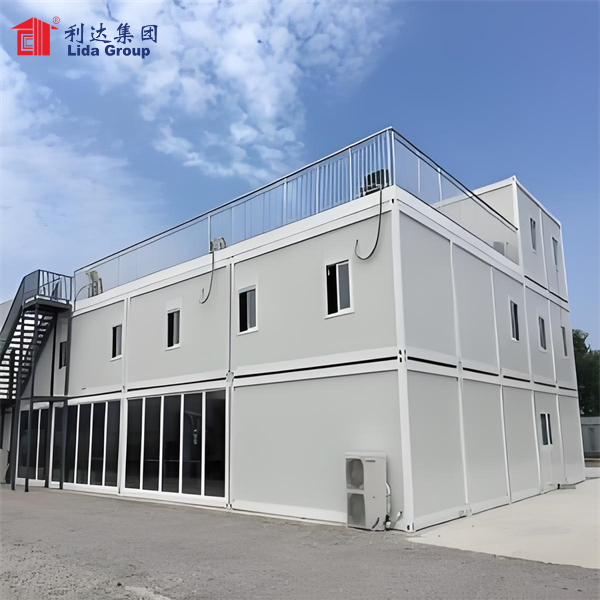
Container dormitories are constructed using repurposed shipping containers, which are typically durable, modular, and cost-effective. This concept is not entirely new; container housing has been utilized in various contexts, including emergency shelters, temporary housing in disaster zones, and even luxury homes. However, the adaptation of this model for student housing represents a significant evolution in residential design.
The Need for Alternative Housing Solutions
As universities expand and more students seek higher education, traditional dormitory systems often become overwhelmed. Factors contributing to this situation include:
- Increased Enrollment: Many institutions are experiencing record enrollment figures, which has strained existing housing facilities.
- Urbanization: With more students moving to cities for education, housing demand in urban areas has skyrocketed, leading to higher rental costs and limited availability.
- Affordability: Rising living expenses make it increasingly difficult for students to find affordable housing options.
Container dormitories present a viable alternative that addresses these issues while offering a sustainable and innovative approach to student living.
Advantages of Container Dormitories
1. Cost-Effectiveness
One of the most significant advantages of container dormitories is their cost-effectiveness. Shipping containers are often available at a fraction of the cost of traditional building materials. Additionally, the speed of construction can lead to lower labor costs. By utilizing existing infrastructure, universities can provide housing without the lengthy timelines associated with conventional building projects.
2. Sustainability
Container dormitories are inherently more sustainable than traditional buildings for several reasons:
- Recycling Materials: By repurposing shipping containers, universities reduce waste and promote recycling.
- Energy Efficiency: Container homes can be designed with energy-efficient features, such as proper insulation and solar panels, minimizing their carbon footprint.
- Reduced Land Use: The modular nature of containers allows for vertical stacking and creative layouts, making efficient use of limited urban space.
3. Flexibility and Modularity
Container dormitories offer unparalleled flexibility. They can be stacked, arranged, and customized according to the needs of the institution. This adaptability allows universities to quickly scale their housing solutions up or down based on enrollment figures or specific requirements, such as providing accommodation for students during peak periods.
4. Unique Living Experience
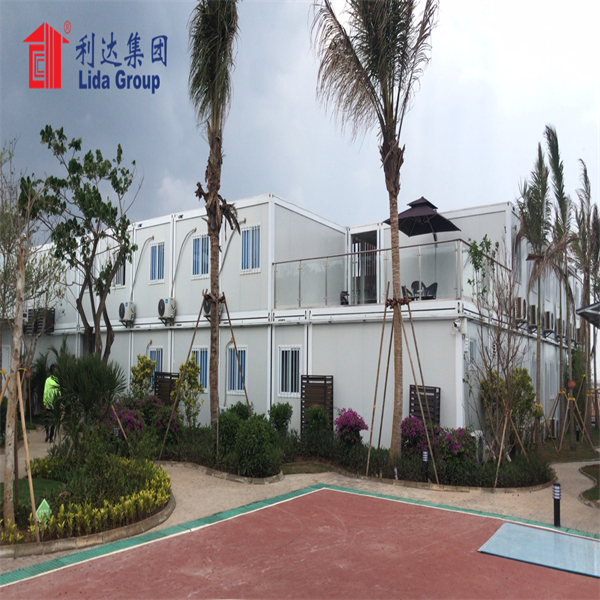
Living in a container dormitory can provide students with a unique and modern living experience. These dormitories can be designed with innovative layouts and communal spaces that foster social interaction and community engagement. Moreover, the aesthetic appeal of repurposed containers can attract students looking for contemporary living arrangements.
Design Considerations
While container dormitories present numerous advantages, careful consideration must be given to their design and implementation to ensure they meet students’ needs effectively.
1. Space Optimization
One of the challenges of using shipping containers is the limited interior space. Each standard container measures about 20 or 40 feet in length, which requires thoughtful design to maximize usability.
- Efficient Layouts: Creative use of furniture and room arrangements can help optimize space. Built-in furniture and multifunctional designs can enhance the living experience.
- Common Areas: Incorporating communal areas such as lounges, study rooms, and kitchens can create a sense of community and provide students with necessary shared resources.
2. Comfort and Aesthetics
To attract students, container dormitories must not only be functional but also comfortable and visually appealing.
- Insulation and Ventilation: Proper insulation is critical to maintaining comfortable temperatures. Good ventilation is also essential to prevent moisture buildup and ensure a healthy living environment.
- Interior Design: The design of the interiors should reflect contemporary aesthetics. This can include modern finishes, vibrant colors, and thoughtful décor to create a welcoming atmosphere.
3. Safety and Compliance
As with any residential building, container dormitories must adhere to local building codes and safety regulations.
- Structural Integrity: Ensuring that containers are properly reinforced and modified to meet safety standards is crucial.
- Fire Safety: Incorporating fire safety measures, such as smoke detectors and fire exits, is essential to protect students’ well-being.
Case Studies
Example 1: The Container Park at the University of California, Berkeley
UC Berkeley implemented a pilot program utilizing shipping containers for student housing. The project consisted of several stacked containers transformed into dormitory units, complete with communal areas. Feedback from students was overwhelmingly positive, citing the unique living experience and modern amenities.
Example 2: The College of Charleston’s Container Housing Initiative
The College of Charleston developed a container housing initiative to address a housing shortage. This project provided students with a sustainable living option that was both affordable and stylish. The initiative successfully demonstrated the feasibility of container dormitories within a competitive college market.
Conclusion
Container dormitories represent an innovative solution to the growing challenges of student housing. With their cost-effectiveness, sustainability, and flexibility, these structures can help universities meet the demands of an ever-increasing student population. While challenges exist, proactive planning and design can mitigate potential issues. By embracing container dormitories, educational institutions can offer students a unique, modern, and community-focused living experience that aligns with contemporary values of sustainability and innovation. As the landscape of higher education continues to evolve, container dormitories may well play a pivotal role in shaping the future of student housing.
Contact Us
Post time: Sep-23-2024