
Introduction
As businesses evolve, so do their workspace requirements. The traditional office model, often characterized by long leases, fixed locations, and significant overhead costs, is being challenged by innovative alternatives. Among these, container offices have gained prominence, offering flexibility, cost savings, and sustainability. Lida Group, a leader in modular construction, provides valuable insights into the differences between container offices and traditional offices, highlighting the advantages and potential of this modern workspace solution.
Understanding Container Offices
What Are Container Offices?
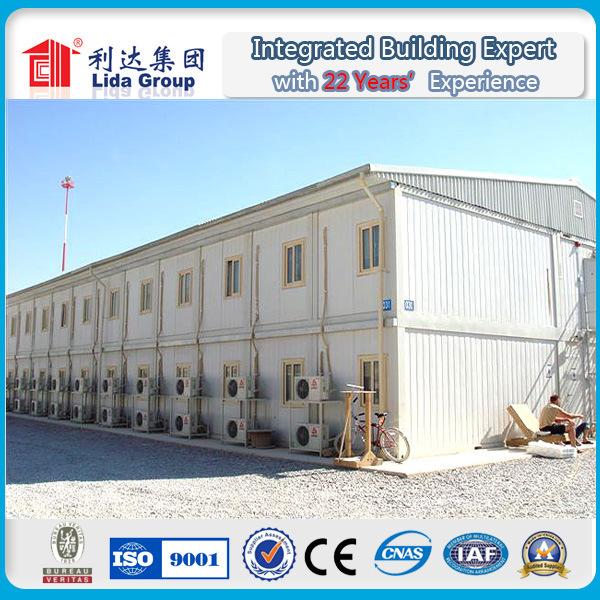
Container offices are modular spaces constructed from repurposed shipping containers. These units can be customized to include essential office amenities, such as electrical systems, insulation, and plumbing. Their modular design allows for easy transport and reconfiguration, making them a versatile solution for various business needs.
The Rise of Container Offices
The popularity of container offices has surged in recent years due to several factors:
- Cost Efficiency: Container offices often require lower initial investment and maintenance costs compared to traditional office spaces.
- Sustainability: By repurposing shipping containers, businesses can minimize waste and promote eco-friendly practices.
- Flexibility: Container offices can be easily relocated and expanded, adapting to changing business needs.
- Speed of Setup: These offices can be deployed quickly, allowing businesses to establish operations in a fraction of the time required for traditional construction.
The Traditional Office Model
Characteristics of Traditional Offices
Traditional offices are typically permanent structures designed for long-term use. They often feature:
- Fixed Locations: Businesses commit to specific locations, often leading to long-term leases and substantial overhead costs.
- Standardized Layouts: Traditional offices typically follow conventional designs, which may not cater to the unique needs of modern businesses.
- Higher Operational Costs: Expenses related to rent, utilities, maintenance, and staffing can accumulate quickly in traditional office settings.
Challenges of Traditional Offices
While traditional offices have served businesses for decades, they come with several challenges:
- High Costs: The financial burden of leasing or purchasing office space can be significant, particularly in urban areas.
- Inflexibility: Businesses may find it difficult to adapt their office space to changing needs, leading to wasted resources.
- Long Setup Times: Constructing or renovating traditional office spaces can take months, delaying business operations.
- Environmental Impact: The construction of new office buildings often contributes to increased waste and carbon emissions.
Comparing Container Offices and Traditional Offices
1. Cost Comparison
Initial Investment
Container offices generally require a lower initial investment compared to traditional offices. The cost of repurposing a shipping container is significantly less than constructing a new building. Additionally, container offices often require less extensive site preparation and infrastructure, further reducing costs.
Ongoing Expenses
Traditional offices usually come with higher ongoing expenses, including rent, utilities, and maintenance. In contrast, container offices can be more cost-effective, especially when considering their modular nature and lower operational costs.
2. Flexibility and Scalability
Adaptability
Container offices excel in adaptability. They can be easily reconfigured, expanded, or relocated based on changing business needs. This flexibility is particularly beneficial for startups and growing companies that may need to scale operations quickly.
Long-Term Commitment
Traditional offices often require long-term leases, limiting a business’s ability to pivot or adjust its workspace. Container offices, on the other hand, can be used on a temporary basis or moved to new locations as needed, offering businesses greater freedom.
3. Speed of Deployment
Construction Time
The time required to set up container offices is significantly shorter than that of traditional offices. Container offices can be delivered and assembled on-site in a matter of days or weeks, allowing businesses to establish operations rapidly.
Renovation
Renovating traditional office spaces can take months, causing disruptions to daily operations. In contrast, container offices can be modified with minimal downtime, ensuring that businesses remain operational during transitions.
4. Sustainability
Environmental Impact
Container offices promote sustainability by repurposing existing materials, reducing waste, and minimizing the need for new construction. This eco-friendly approach aligns with the growing emphasis on corporate social responsibility.
Energy Efficiency
Many container offices are designed with energy-efficient features, such as insulation, solar panels, and energy-efficient lighting. Traditional offices, while they can also incorporate sustainable practices, often require more extensive retrofitting to achieve similar levels of energy efficiency.
5. Customization Options
Design Flexibility
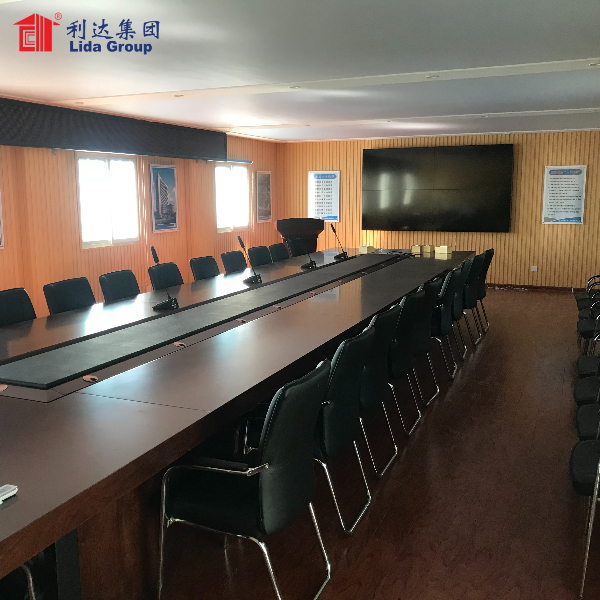
Container offices offer a high degree of customization in terms of layout, design, and functionality. Businesses can tailor their containers to suit their specific needs, whether that involves creating open-plan spaces, private offices, or collaborative areas.
Limitations of Traditional Offices
While traditional offices can also be customized, modifications often require significant time and financial investment. Container offices provide a more agile solution for businesses seeking to create unique work environments.
Insights from Lida Group
1. Expertise in Modular Construction
Lida Group has extensive experience in modular construction, specializing in container offices. Their expertise ensures that clients receive high-quality, durable structures tailored to their specific needs. By leveraging industry knowledge, Lida Group helps businesses navigate the complexities of container office design and implementation.
2. Quality Assurance
Quality is a cornerstone of Lida Group’s operations. Each container office undergoes rigorous quality control measures to ensure that it meets industry standards and client expectations. This commitment to quality translates into reliable, long-lasting workspaces that enhance productivity.
3. Comprehensive Customization
Lida Group offers a range of customization options, allowing businesses to create container offices that align with their brand identity and operational needs. Whether it’s selecting interior finishes, layouts, or additional features, clients can tailor their spaces to reflect their vision.
4. Commitment to Sustainability
Lida Group prioritizes sustainable practices in all aspects of their operations. By focusing on eco-friendly materials and construction methods, they help businesses reduce their environmental impact while providing innovative workspace solutions.
5. Exceptional Customer Support
Lida Group places a strong emphasis on customer service. Their team works closely with clients throughout the entire process, from initial consultation to installation and beyond. This collaborative approach ensures that clients receive the support they need to make informed decisions and achieve their goals.
Case Studies: Successful Implementations
1. Construction Industry
A large construction firm turned to Lida Group for container offices at multiple job sites. The firm reported significant improvements in productivity and organization due to the secure, on-site workspace provided by the container offices. The ability to relocate and expand the offices as projects progressed further enhanced operational efficiency.
2. Event Management
An event management company utilized container offices as temporary headquarters for a major festival. The quick setup and mobility of the containers allowed the company to manage logistics effectively. The customizable design also provided a comfortable workspace for staff, contributing to the event’s overall success.
3. Educational Institutions
A university adopted container offices as additional classrooms and administrative spaces during a campus renovation. The flexibility of the container offices allowed the university to maintain operations without significant interruptions, demonstrating the adaptability of this workspace solution.
The Future of Workspaces
1. Continued Growth of Container Offices
The trend toward container offices is expected to continue as more businesses recognize the benefits they offer. The demand for flexible, cost-effective workspaces will drive innovation in modular construction, leading to even more advanced and versatile solutions.
2. Integration of Technology
The future of container offices will likely see increased integration of technology. Smart building features, such as temperature control, energy management systems, and connectivity solutions, will enhance the functionality and appeal of container offices.
3. Focus on Employee Wellness
As companies prioritize employee well-being, container offices can be designed to promote comfort and productivity. Features such as natural lighting, ventilation, and biophilic design elements will become increasingly important in creating conducive work environments.
4. Expansion into New Markets
Container offices will likely find applications in new industries, including healthcare, retail, and hospitality. Their versatility and adaptability make them suitable for a wide range of settings, further expanding their market presence.
Conclusion
The comparison between container offices and traditional offices highlights the evolving landscape of workspace solutions. Container offices offer a range of advantages, including cost efficiency, flexibility, rapid deployment, and sustainability. Lida Group stands out as a leader in this space, providing high-quality, customizable container office solutions backed by exceptional customer support and a commitment to sustainability. As businesses continue to adapt to changing needs, container offices represent a forward-thinking solution that meets the demands of modern work environments. Investing in container offices from Lida Group is not just a choice; it’s a strategic move toward a more efficient and sustainable future.
Contact Us
Post time: Aug-07-2024