
In an age where sustainability is at the forefront of global initiatives, the construction and management of labor camps must evolve to meet the demands of both industry and environmental stewardship. Industries such as construction, mining, and agriculture often require temporary housing solutions for workers in remote locations. However, traditional labor camps frequently lack comfort, flexibility, and sustainability, leading to low worker morale and high turnover rates. Lida Group stands out in this landscape with its innovative approaches to labor camp design and construction, paving the way for sustainable communities that prioritize worker well-being and environmental responsibility. This article explores Lida Group’s labor camp innovations and their impact on creating sustainable communities.
Understanding the Need for Sustainable Labor Camps
The Role of Labor Camps
Labor camps are essential for providing housing and necessary amenities to workers deployed in remote areas. These camps serve as temporary accommodations where workers can rest, eat, and socialize, making them crucial for maintaining productivity and morale. However, the traditional model of labor camps often fails to provide adequate living conditions, leading to dissatisfaction among workers.
Challenges of Traditional Labor Camps
Traditional labor camps face a myriad of challenges:
- Inadequate Living Conditions: Many labor camps are poorly designed, lacking essential amenities such as clean water, sanitation, and comfortable sleeping arrangements. This can lead to health problems and decreased morale.
- Environmental Impact: Conventional construction methods often generate significant waste and have a high carbon footprint, contradicting modern sustainability goals.
- Inflexibility: Traditional labor camps are often permanent structures, making them difficult to adapt to changing workforce sizes or project requirements.
- High Costs: Establishing and maintaining traditional labor camps can be expensive, often leading to budget overruns and logistical challenges.
- Limited Community Integration: Traditional labor camps often isolate workers from the surrounding community, hindering social interaction and cultural exchange.
Lida Group’s Innovative Approach
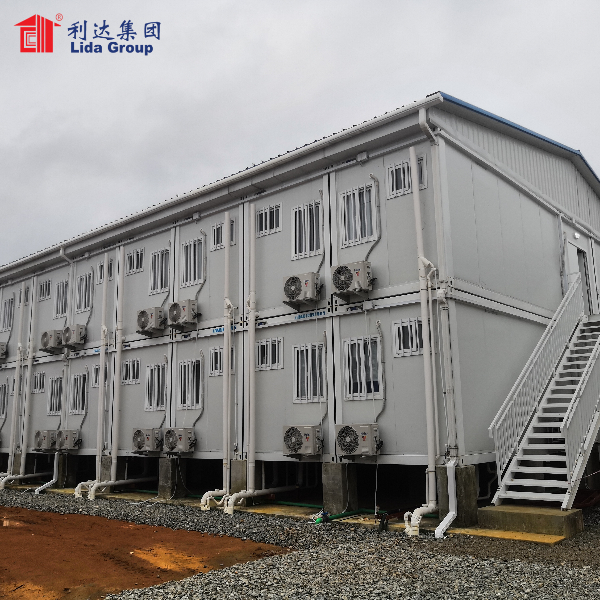
Lida Group recognizes the need for a paradigm shift in labor camp design and has developed a series of innovative solutions aimed at creating sustainable communities. Their approach emphasizes flexibility, comfort, and environmental responsibility.
1. Modular Design
One of the key innovations from Lida Group is the use of modular designs in their labor camps. Modular construction allows for quick assembly and disassembly of living units, making it easy to adapt to changing project requirements. This flexibility means that labor camps can be expanded or reduced based on the size of the workforce, reducing waste and ensuring that resources are used efficiently.
2. Prefabricated Solutions
Lida Group specializes in prefabricated housing solutions that are manufactured off-site. This approach not only speeds up the construction process but also minimizes waste generated on-site. Prefabricated units can be transported to remote locations and assembled quickly, allowing companies to set up labor camps in a fraction of the time it would take with traditional methods.
3. Sustainable Materials
Lida Group prioritizes the use of sustainable materials in their labor camp construction. By utilizing eco-friendly materials, such as recycled steel and sustainably sourced wood, they reduce the environmental impact of their operations. These materials are not only better for the planet but also contribute to the durability and longevity of the structures.
4. Energy Efficiency
Energy efficiency is a cornerstone of Lida Group’s labor camp innovations. Many units are designed with energy-efficient features, such as high-quality insulation, energy-saving appliances, and renewable energy sources like solar panels. These features significantly reduce energy consumption, lowering operational costs and minimizing the carbon footprint of labor camps.
5. Integrated Amenities
Lida Group understands that worker well-being is paramount. Their labor camps are designed to include essential amenities that enhance the living experience for workers. These amenities often include:
- Kitchens: Many units come equipped with kitchen facilities, allowing workers to prepare their own meals. This promotes healthier eating habits and fosters a sense of community among workers.
- Recreational Spaces: Communal areas for dining, relaxation, and social activities are integrated into the design, encouraging social interaction and reducing feelings of isolation.
- Sanitation Facilities: Clean and modern sanitation facilities are a priority, ensuring that workers have access to proper hygiene and sanitation.
6. Community Engagement
Lida Group’s approach to labor camp design also emphasizes community engagement. By creating spaces that encourage interaction among workers and the surrounding community, they foster a sense of belonging and cultural exchange. This integration enhances worker morale and promotes a more supportive living environment.
The Impact of Lida Group’s Innovations
Enhancing Worker Well-Being
The innovative solutions provided by Lida Group have a profound impact on worker well-being. By prioritizing comfort and sustainability, these labor camps help improve job satisfaction and retention rates. Workers are more likely to feel valued and respected when they have access to quality living conditions, which translates into higher productivity levels.
Reducing Environmental Footprint
Lida Group’s commitment to sustainability extends beyond individual labor camps. By employing eco-friendly materials and energy-efficient practices, they contribute to a significant reduction in the overall environmental footprint of labor camps. This aligns with global efforts to combat climate change and promotes responsible resource management in the construction industry.
Economic Benefits
The cost-effectiveness of Lida Group’s modular and prefabricated solutions also translates into significant economic benefits for companies. Reduced construction times and lower operational costs lead to better budget management and increased profitability. Moreover, satisfied workers are more productive, further enhancing the economic viability of projects.
Building Stronger Communities
By fostering community engagement and providing quality living conditions, Lida Group’s labor camps contribute to building stronger communities. Workers who feel a sense of belonging are more likely to integrate into their surroundings, which can lead to positive cultural exchanges and a more harmonious living environment.
Case Studies: Lida Group in Action
1. Construction Projects in Remote Areas
In a recent construction project in a remote region, Lida Group implemented its modular labor camp solutions to accommodate workers. The camps included modern amenities, communal spaces, and sustainable features, which significantly improved the living conditions for workers. As a result, the project experienced a notable increase in worker morale and productivity, leading to the project’s successful completion ahead of schedule.
2. Mining Operations
A mining company faced challenges in providing adequate housing for its workforce in a remote location. By partnering with Lida Group, they established a prefabricated labor camp that included private sleeping quarters, kitchens, and recreational areas. The quick assembly of the camp allowed workers to settle in comfortably, leading to improved job satisfaction and reduced turnover rates.
3. Agricultural Labor Camps
In the agricultural sector, a cooperative needed to provide housing for seasonal workers during peak harvest times. Lida Group’s container houses were deployed rapidly, allowing the cooperative to establish a comfortable living environment. The positive impact on worker satisfaction was evident, resulting in increased productivity during the critical harvest period.
Future Trends in Labor Camp Design
Technological Innovations
As technology continues to advance, the design and construction of labor camps will likely evolve further. Innovations such as smart home technology, which includes climate control and energy management systems, will enhance the living experience for workers. Lida Group is already exploring these technologies to integrate them into future labor camp designs.
Focus on Mental Health
The importance of mental health in the workplace is gaining recognition, and labor camps are no exception. Future designs will likely include features that promote mental well-being, such as quiet spaces for relaxation, access to nature, and recreational facilities that encourage physical activity and social interaction.
Sustainable Practices
The push for sustainability will continue to influence labor camp design. Companies will increasingly seek out eco-friendly materials and construction methods to minimize their environmental impact. Lida Group’s commitment to sustainability positions them well to lead in this evolving landscape.
Conclusion
Lida Group’s innovative solutions for labor camps represent a significant step toward creating sustainable communities. By prioritizing modular design, sustainability, and worker well-being, they are transforming the landscape of temporary housing for workers in various industries. The benefits of these innovations extend beyond individual labor camps, contributing to the overall economic viability and environmental responsibility of the construction sector.
As the global demand for sustainable practices continues to rise, Lida Group’s approach serves as a model for other companies seeking to enhance their labor camp offerings. By investing in quality living conditions that promote community engagement and worker satisfaction, businesses can create environments that not only support their workforce but also align with broader sustainability goals.
In a world where the quality of life for workers is increasingly recognized as essential to productivity and success, Lida Group stands at the forefront of creating labor camps that are not just functional but also foster a sense of community and belonging. Embracing these innovative solutions is not just a strategic business decision; it is a commitment to building a sustainable future for workers and the industries they serve.
Contact Us
Post time: Jan-02-2025