
Introduction
In an era defined by climate volatility, population growth, and the urgent need for sustainable agricultural practices, the construction of farm buildings stands at a critical crossroads. Traditional farmhouses—constructed from brick, concrete, or timber—have served rural communities for centuries, yet they increasingly struggle to meet the demands of modern agriculture. These conventional structures are often time-consuming to build, vulnerable to pests and decay, costly to maintain, and ill-equipped to withstand the intensifying extreme weather events that accompany global climate change.
Against this backdrop, a fundamental transformation is underway in agricultural construction. Farmers, agribusinesses, and rural developers are turning to innovative building solutions that offer superior durability, enhanced efficiency, and long-term sustainability. At the forefront of this revolution stands Lida Group, a global leader in steel structure engineering that has been pioneering prefabricated building solutions since its establishment in 1993.
With over three decades of experience, more than 5,000 completed projects across 152 countries, and a comprehensive portfolio of integrated building solutions, Lida Group has emerged as a transformative force in agricultural construction. The company’s steel structural building systems are redefining the standards of metal farm houses—delivering structures that are not merely durable and efficient but truly endurable, capable of serving agricultural communities for generations.
The Imperative for Endurable Farm Buildings
Modern agriculture faces pressures unimaginable to previous generations. Extreme weather events—hurricanes, tornadoes, floods, and droughts—are becoming more frequent and severe, threatening both crops and the infrastructure that supports farming operations. In parallel, the global population continues its trajectory toward 9.7 billion by 2050, demanding ever-greater agricultural productivity and efficiency.
Farm buildings are the backbone of agricultural operations. They house livestock, store equipment and harvests, provide workspaces for processing and packing, and serve as homes for farming families. When these structures fail—whether through storm damage, pest infestation, or simple decay—the consequences ripple through entire food systems.
Traditional construction materials present significant limitations. Wood, while historically popular, is susceptible to termites, rot, and fire, requiring frequent maintenance and replacement. Brick and concrete offer greater permanence but are labour-intensive to construct, inflexible in design, and possess high embodied carbon footprints. Neither material readily accommodates the rapid expansion or reconfiguration that modern farming operations increasingly require.
It is within this context that steel structural buildings have emerged as the superior alternative—a solution that addresses the full spectrum of challenges facing agricultural construction. Lida Group has devoted its engineering expertise to perfecting steel structural systems specifically for agricultural applications, creating farm buildings that are genuinely endurable in the truest sense of the word.
The Engineering Excellence of Lida Group‘s Steel Structural Systems
At the heart of Lida Group’s transformative farm building offerings lies the strategic deployment of specialized steel structural systems—a revolutionary construction approach that has become the cornerstone of high-performance, cost-effective prefabricated building solutions. By leveraging the inherent strength, thermal efficiency, and customizability of premium-grade steel components, the company crafts modular structures that are exceptionally durable, energy-efficient, and rapidly deployable.
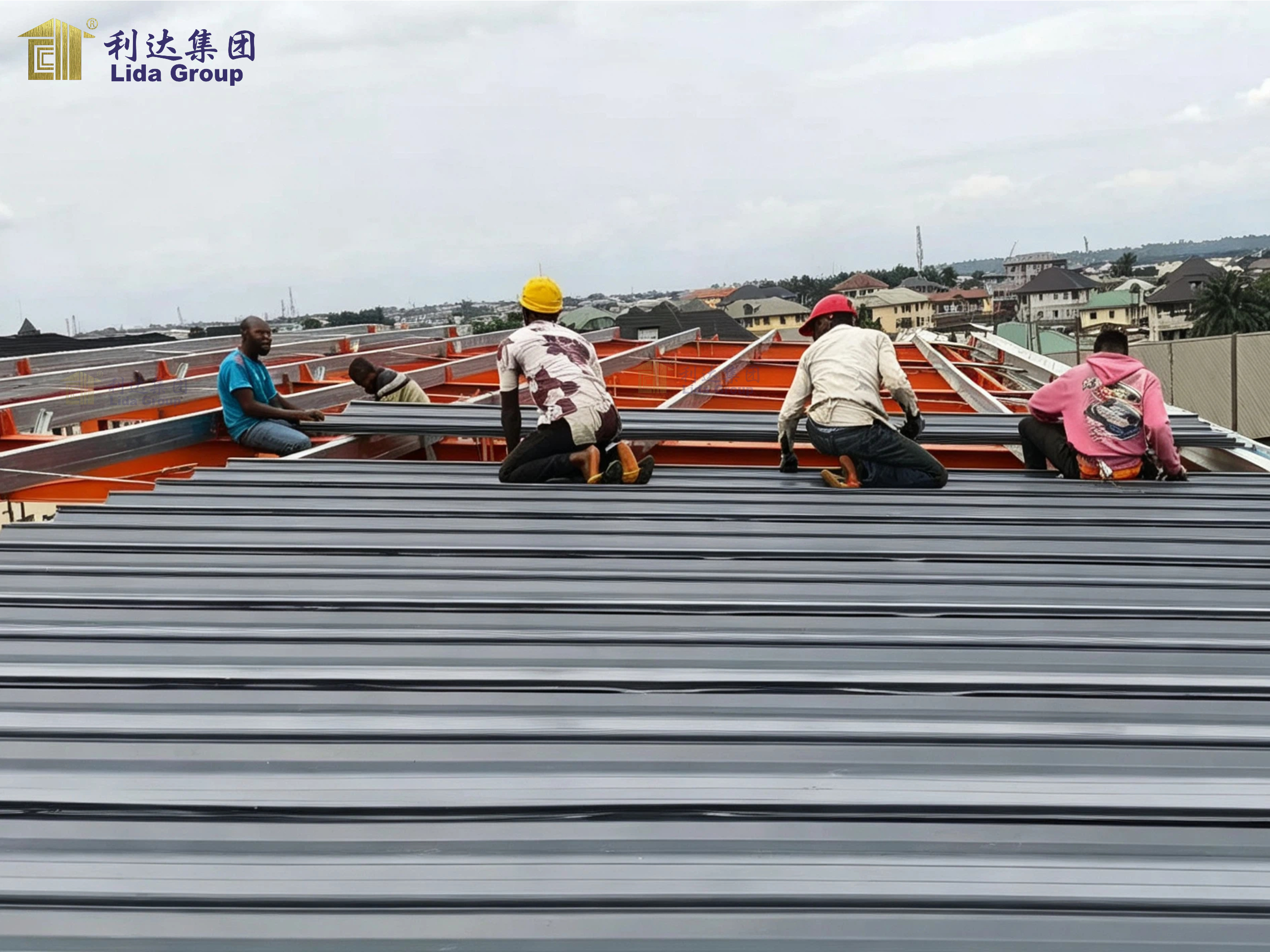
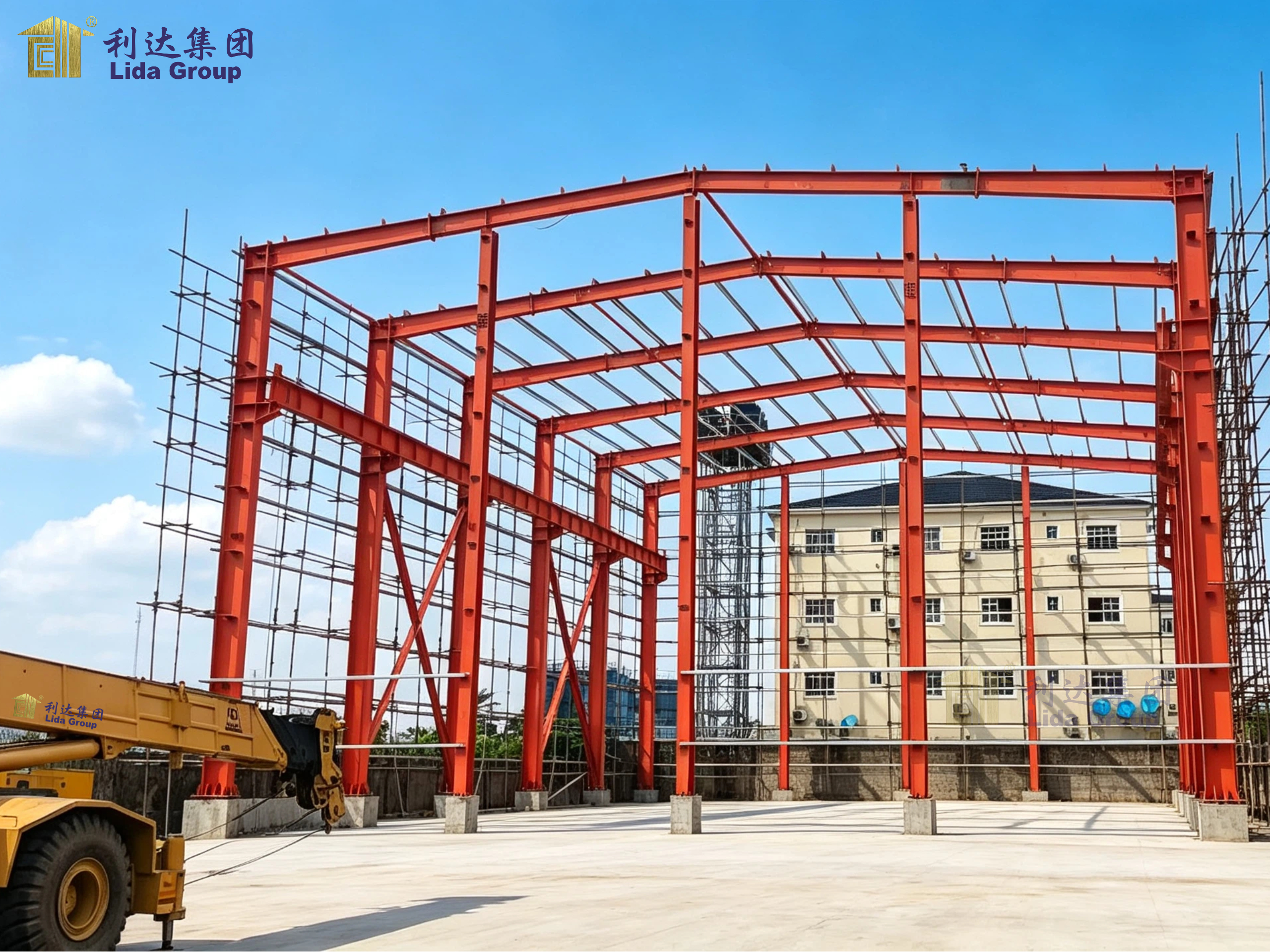
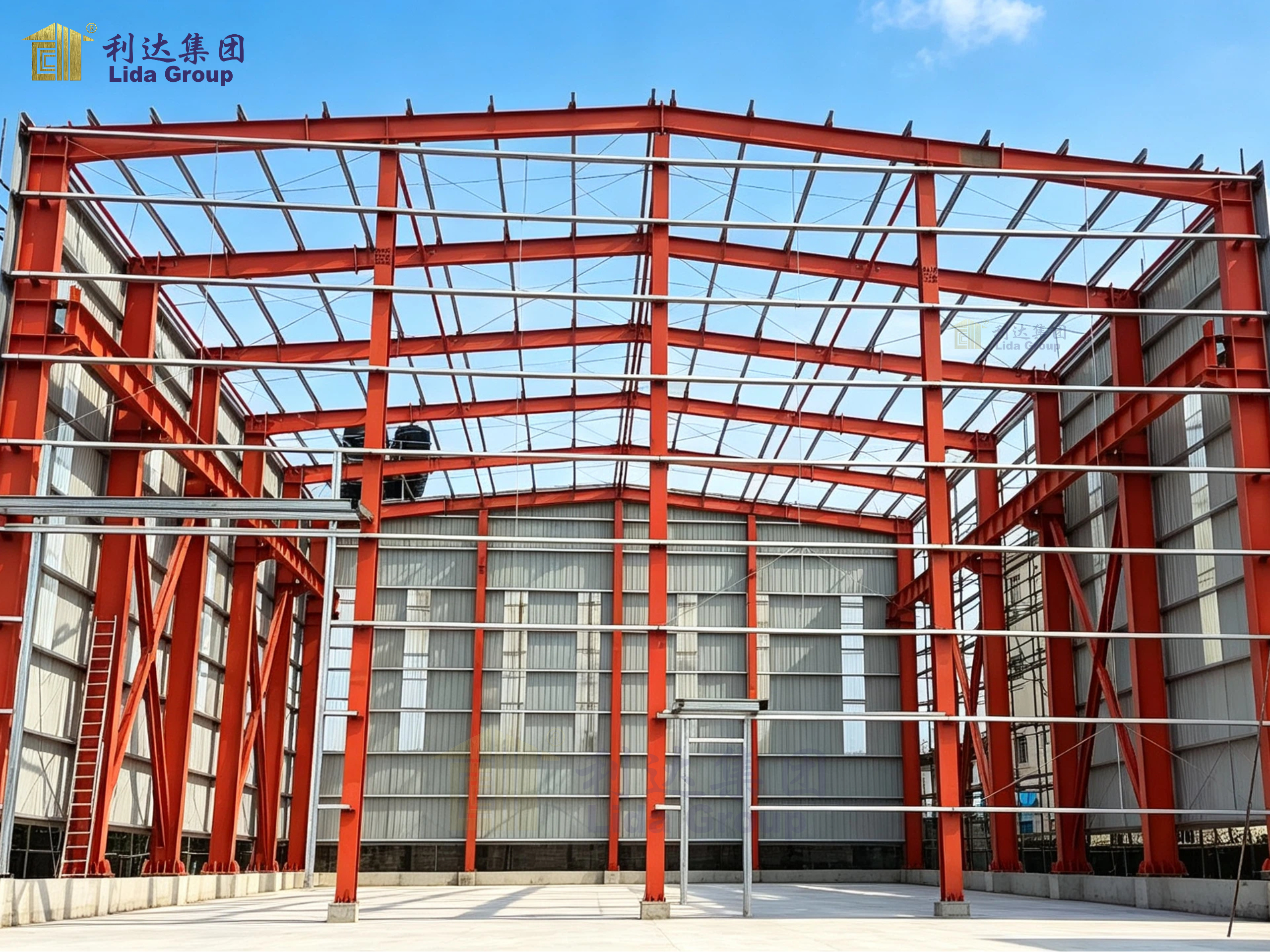
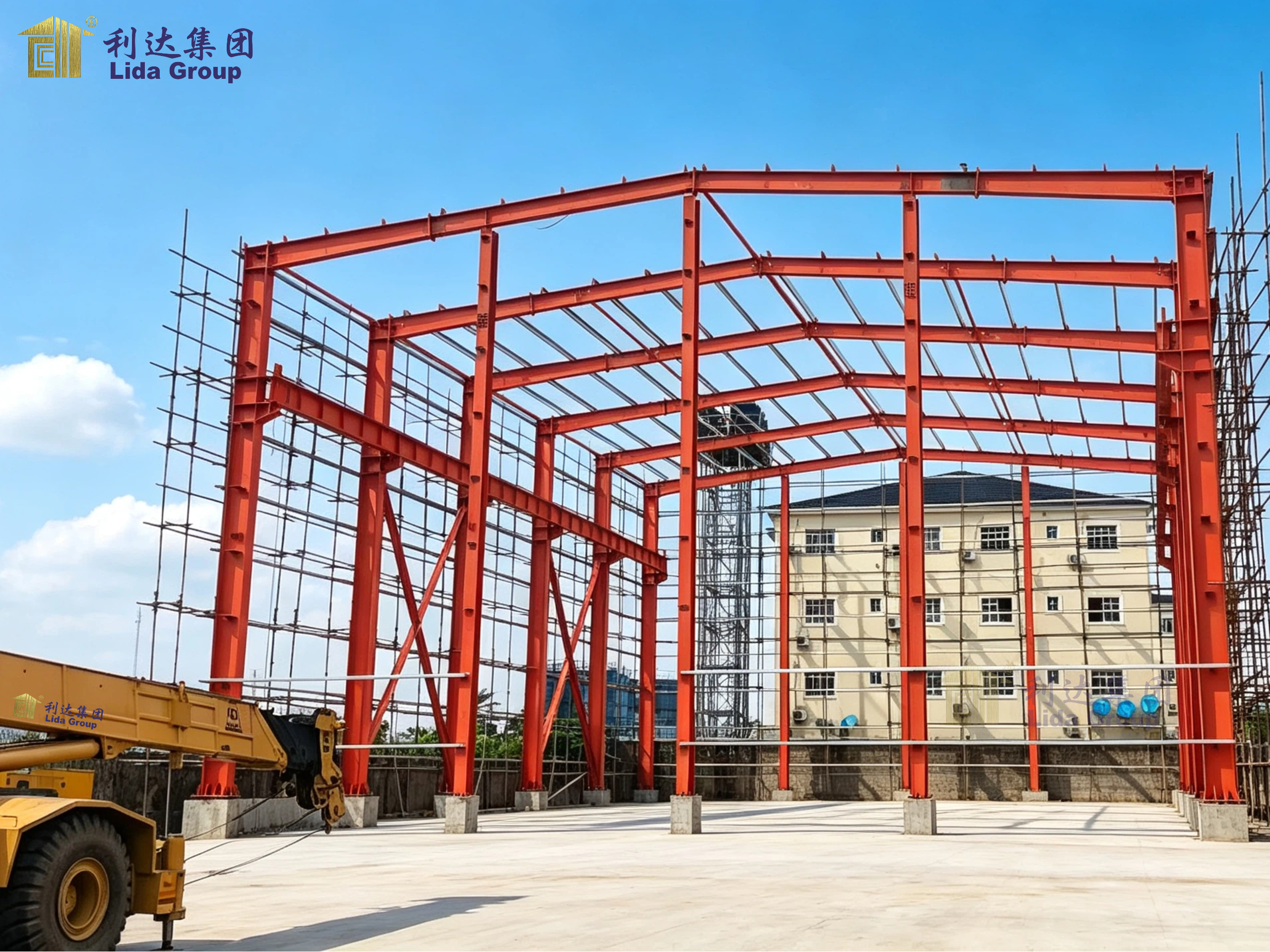
The engineering foundation of Lida Group’s steel structural buildings is built upon high-quality materials and advanced manufacturing processes. The main frames of farm buildings are constructed using premium-grade H-section steel of Q345 grade—a material renowned for its exceptional strength, good ductility, and outstanding load-bearing capacity. Columns and beams, fabricated from welded H-style steel, are connected to foundations using pre-embedded anchor bolts, ensuring firm and stable connections capable of withstanding heavy loads, strong winds, and seismic activity. High-strength grade 10.9 bolts further enhance structural integrity, ensuring stability even in harsh environmental conditions.
The company’s steel structural systems offer a wide span capability, with single or multiple spans achieving a maximum clear distance of 36 meters without intermediate columns. This wide-span design creates vast, unobstructed interior spaces that accommodate the diverse needs of modern farming operations—whether housing livestock, storing machinery, or facilitating crop processing.
Beyond raw structural strength, Lida Group’s engineering excellence extends to durability enhancements that address the specific challenges of agricultural environments. Steel structural buildings feature robust corrosion protection systems, including hot-dip galvanized steel sheets that produce thick, durable zinc coatings capable of preventing rust for at least 20 years. In tropical and coastal environments where humidity and salt exposure pose particular challenges, these protective measures are especially critical. Lida Group has successfully adapted its steel structural solutions to diverse climates worldwide—from the tropical conditions of Fiji to the arid landscapes of Kenya and the harsh cold of Arctic regions.
Durability That Defines Endurance
The defining characteristic of Lida Group‘s steel structural farm buildings is their exceptional durability—a quality that elevates them beyond mere structures to genuinely endurable assets capable of serving agricultural communities for generations.
Lida Group’s steel structure buildings offer a long-term service life exceeding 50 years, with some light steel structure systems achieving lifespans of up to 90 years or more. This extraordinary longevity stands in stark contrast to traditional farm buildings, which often require significant repairs or complete replacement within decades of construction. The company’s steel farmhouses are resistant to the common scourges that afflict conventional structures—termites, mould, rot, and decay. This inherent resistance translates directly into substantially lower long-term maintenance costs, allowing farmers to invest resources in their operations rather than in constant building upkeep.
The durability of Lida Group’s steel structures extends to their performance under extreme weather conditions. These buildings are engineered to resist heavy winds, with cold-formed light steel structures capable of withstanding wind speeds up to 50 meters per second. Their seismic performance is equally impressive, with light gauge steel construction achieving seismic fortification up to 9 degrees on the Richter scale. The structures are also waterproof and fireproof, providing comprehensive protection against the diverse threats that agricultural buildings face.
In coastal and high-humidity environments where corrosion poses a persistent challenge, Lida Group’s anti-corrosion technologies have proven particularly effective. The company’s Fiji chicken farm project, completed in 2017, demonstrated the resilience of Lida Group‘s steel structures in tropical conditions characterized by high temperatures, rainfall, and humidity. The adoption of H-shape steel frames and hot-dip galvanized steel sheets ensured that the structures would remain rust-free for at least two decades—a durability standard that conventional building materials simply cannot match.
Efficiency Through Prefabrication and Design
Durability alone does not define the future of farm construction; efficiency is equally essential. Lida Group’s steel structural buildings achieve extraordinary efficiency through prefabricated manufacturing and intelligent design.
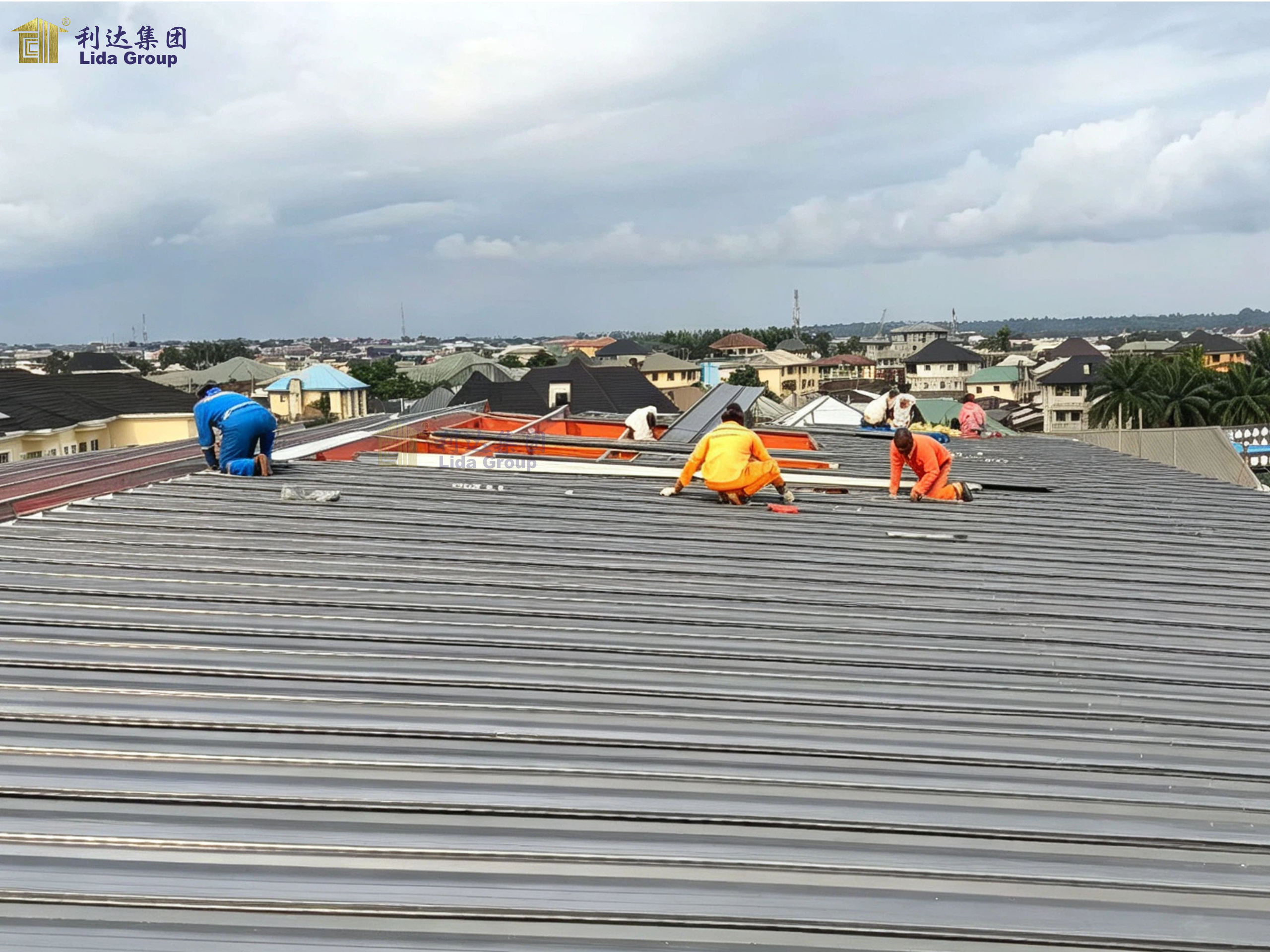
The prefabricated nature of Lida Group’s steel structures allows for rapid construction that dramatically reduces on-site labour requirements and construction timelines. Components are manufactured to exact specifications in controlled factory environments, then transported to site for swift assembly. This approach not only accelerates project completion but also ensures consistent quality—free from the variability inherent in on-site construction.
The efficiency of Lida Group‘s steel structural buildings also manifests in their remarkable cost-effectiveness. Steel structure buildings are available at unit prices ranging from USD 35 to USD 70 per square meter FOB, depending on customer specifications. This competitive pricing, combined with reduced maintenance costs and extended service life, delivers exceptional long-term value to farmers and agricultural enterprises.
Space efficiency represents another dimension of Lida Group’s design excellence. The wall thickness of light gauge steel structure buildings is approximately half that of traditional brick walls, enabling usable floor area to reach up to 92 percent of total floor space. Compared to conventional brick construction, this represents a 10 percent increase in usable floor area—a significant advantage for farming operations where every square metre counts.
Energy efficiency further enhances the operational efficiency of Lida Group‘s farm buildings. Advanced insulation techniques incorporated into the designs significantly reduce energy consumption for heating and cooling. The company’s steel structure agricultural warehouses feature insulated light steel panels certified to ISO 14001 standards that maintain consistent humidity levels, reducing grain spoilage by up to 40 percent compared to concrete silos. Wall and roof systems employ new energy-saving and environmentally friendly materials, creating completely closed weatherproof systems that avoid the “cold bridge” effect and achieve over 65 percent energy savings in compliance with updated Chinese standards.
Customization for Diverse Agricultural Applications
The future of farm construction demands flexibility—the ability to tailor buildings to the specific needs of diverse agricultural operations. Lida Group’s steel structural systems excel in this regard, offering precise customization of load-bearing components to match the unique requirements of each project.
Steel structure farm buildings from Lida Group can be customized to meet the specific needs of poultry farmers, livestock producers, crop growers, and agribusinesses of all scales. Whether the requirement is for expansive poultry houses, climate-controlled crop storage warehouses, processing plants, or combined residential and working farmhouses, Lida Group’s modular steel systems can be configured accordingly.
The company‘s Fiji chicken farm project, which involved the construction of three steel structure chicken houses measuring 15 metres by 100 metres by 2.2 metres, exemplifies this customization capability. Strategic ventilation design was adopted to ensure good air circulation inside the houses, demonstrating how Lida Group tailors its solutions to the specific operational requirements of each agricultural application.
For large-scale agricultural operations, Lida Group’s wide-span steel structures provide the expansive, column-free interior spaces that modern farming demands. For smaller family farms, the company offers customizable farmhouse designs that can be expanded, modified, or reconfigured as operations evolve. The modular nature of steel structural buildings enables farmers to add space incrementally—adding a 2,000-square-metre processing plant six months after completing an initial warehouse, for example, without requiring major renovations.
Sustainability and Environmental Responsibility
As the global community confronts the urgent challenge of climate change, the sustainability of construction materials has become a critical consideration. Lida Group’s steel structural farm buildings embody a profound commitment to environmental responsibility—aligning agricultural infrastructure with the principles of sustainable development.
Steel is increasingly recognized as a sustainable building material due to its strength, durability, and recyclability. Unlike wood, which can contribute to deforestation, steel can be sourced from recycled materials and is 100 percent recyclable at the end of its life cycle. Lida Group sources its steel from suppliers who adhere to sustainable practices, ensuring reduced environmental impact from extraction to fabrication.
The sustainability benefits extend throughout the building’s lifecycle. During construction, the primarily dry construction methods employed at working sites save water. Steel frame materials are 100 percent recyclable, with over 80 percent of other materials also recyclable, reducing environmental damage from material extraction. Carbon dioxide emissions are reduced by 67 percent compared to brick houses.
Lida Group‘s commitment to sustainability has earned it recognition as a National High-Tech Enterprise, with ISO14001 environmental management certification and adherence to international green building specifications. By choosing Lida Group steel farmhouses, farmers and agricultural enterprises contribute to a circular economy that minimizes waste and conserves natural resources.
Proven Performance: Real-World Applications
The theoretical advantages of Lida Group’s steel structural buildings have been validated through countless real-world projects across diverse agricultural contexts and geographic regions.
In Oceania, Lida Group‘s 2017 chicken farm project demonstrated the company’s ability to deliver steel structures that adapt to challenging tropical climates. The completed chicken coops gained high praise from the client for their sturdiness, flexibility in use, and adaptability to local climatic conditions. This success strengthened Lida Group‘s determination to expand its global footprint and explore further overseas opportunities.
In Kenya’s Rift Valley, Lida Group delivered a 5,000-square-metre steel structure warehouse that stores 10,000 tons of maize and houses 200 precision farming tractors. The light steel framework was coated with anti-corrosion paint to withstand Kenya‘s arid climate, while the modular design allowed the client to expand the facility by adding a processing plant six months later without major renovations.
In South America, Lida Group’s 2025 vertical farm project utilized a modular light steel structure framework to support 12 levels of leafy greens, producing 200 tons of lettuce annually—15 times the yield of a traditional field farm. The steel structure‘s seismic-resistant joints, tested to ISO 13822 standards, protect the facility from Brazil’s frequent earthquakes, ensuring uninterrupted production.
In West Africa’s agricultural belt, Lida Group transformed former cassava fields into a state-of-the-art 30,000-square-metre market complex—a feat demonstrating how light steel structure engineering can adapt to equatorial conditions.
These projects, drawn from Lida Group‘s portfolio of more than 5,000 completed steel structure buildings across 152 countries, illustrate the versatility, durability, and efficiency of the company’s steel structural systems in real-world agricultural applications.
The Future of Metal Endurable Farm Houses
Looking ahead, the role of steel structural buildings in agricultural construction will only grow more significant. As climate change intensifies, the demand for buildings that can withstand extreme weather events will escalate. As global population growth drives the need for more efficient food production, the requirement for flexible, expandable farm infrastructure will intensify. As environmental regulations tighten, the imperative for sustainable construction materials will become more urgent.
Lida Group is well-positioned to meet these future demands. The company‘s ongoing investment in research and development, its portfolio of over 60 patents, and its commitment to continuous innovation ensure that its steel structural building systems will continue to evolve. The company’s eight dedicated steel structure production lines and six container modular house production lines provide the manufacturing capacity to serve growing global demand.
The integration of smart technologies into steel structure farm buildings represents the next frontier. Lida Group‘s agricultural buildings already incorporate advanced insulation, energy-efficient windows, and HVAC systems. Future developments may include integrated sensors for monitoring temperature, humidity, and structural integrity; automated systems for environmental control; and enhanced connectivity for remote management of farm operations.
The concept of the “metal endurable farm house” that Lida Group is advancing represents more than a building type—it embodies a philosophy of agricultural infrastructure that is durable enough to withstand the tests of time and nature, efficient enough to support productive farming operations, and sustainable enough to protect the environment for future generations.
Conclusion
Lida Group’s steel structural buildings represent a transformative advancement in agricultural construction—one that addresses the fundamental challenges facing modern farming with engineering excellence, practical efficiency, and environmental responsibility. By delivering farm buildings that are genuinely endurable—capable of serving agricultural communities for generations—Lida Group is enhancing the future of metal farm houses worldwide.
The company‘s steel structural systems offer durability that traditional building materials cannot match, with service lives exceeding 50 years and resistance to pests, decay, and extreme weather. They deliver efficiency through prefabricated manufacturing, rapid construction, cost-effectiveness, and superior space utilization. They embody sustainability through the use of recyclable materials, reduced carbon emissions, and energy-efficient design.
From poultry farms in Fiji to vertical farms in Brazil, from grain warehouses in Kenya to market complexes in West Africa, Lida Group’s steel structural buildings are proving their worth in diverse agricultural contexts across the globe. With over 5,000 completed projects across 152 countries, the company has demonstrated its capacity to deliver high-quality, durable, and efficient farm buildings that meet the unique needs of each client and region.
As the agricultural sector continues to evolve in response to climate change, population growth, and environmental imperatives, the demand for endurable farm buildings will only intensify. Lida Group, with its three decades of experience, its commitment to quality and innovation, and its global reach, stands ready to meet this demand. The company‘s steel structural buildings are not merely structures—they are investments in the future of farming, providing the durable, efficient, and sustainable infrastructure that agriculture needs to thrive in the decades ahead.
In choosing Lida Group’s steel structural buildings, farmers and agricultural enterprises are choosing more than a building—they are choosing durability that endures, efficiency that enhances productivity, and sustainability that protects the planet. They are choosing the future of metal endurable farm houses.
Post time: Aug-27-2026