
Introduction
In the face of global housing shortages and rising construction costs, innovative solutions are essential to meet the needs of modern living. One such solution is the emergence of flat pack container houses. These structures combine the durability of shipping containers with the efficiency of modular design, offering a practical alternative to traditional housing. This article explores the concept of flat pack container houses, their design features, benefits, applications, and the future of efficient housing.
Understanding Flat Pack Container Houses
What Are Flat Pack Container Houses?
Flat pack container houses are prefabricated structures made from repurposed shipping containers that are designed to be easily transported and assembled on-site. Unlike traditional container homes, which are often delivered as fully constructed units, flat pack designs are shipped in a disassembled state, allowing for lower transportation costs and easier logistics. Once on-site, they can be quickly assembled into functional living spaces.
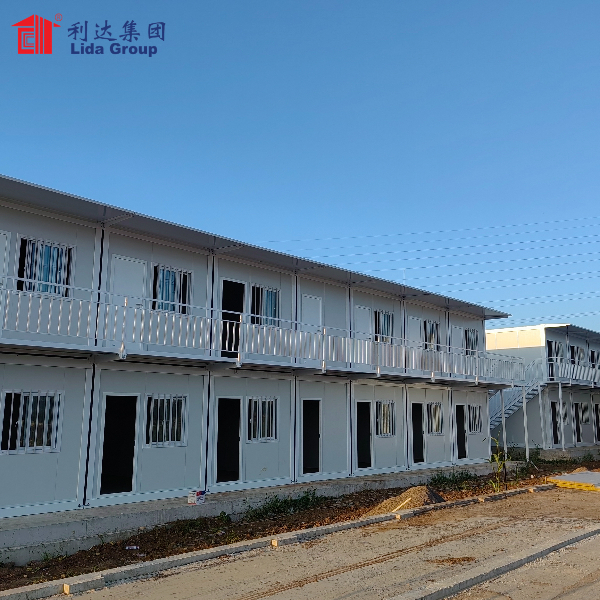
The Evolution of Container Housing
Container housing has gained popularity over the past two decades as a sustainable and affordable alternative to conventional homes. As urbanization accelerates and housing demands increase, flat pack container houses have emerged as a flexible solution that caters to diverse living needs.
Design Features of Flat Pack Container Houses
Modular Construction
The modular nature of flat pack container houses allows for easy customization and expansion. Homeowners can start with a basic unit and add additional containers as their needs evolve. This adaptability makes flat pack designs suitable for various lifestyles and family sizes.
Efficient Use of Space
Flat pack container houses are designed to maximize usable space. With clever layouts and multifunctional furniture, these homes can feel spacious despite their compact size. Designers often incorporate open floor plans and smart storage solutions to enhance the living experience.
Sustainable Materials
The use of repurposed shipping containers is a significant aspect of flat pack design. This practice not only reduces waste but also promotes sustainability. Many flat pack container houses also incorporate eco-friendly materials and energy-efficient systems, further minimizing their environmental impact.
Quick Assembly
One of the most appealing features of flat pack container houses is their rapid assembly process. With pre-cut and pre-fabricated components, these homes can be erected in a matter of days or weeks, significantly reducing the time required for traditional construction.
Benefits of Flat Pack Container Houses
Affordability
Flat pack container houses are often more affordable than traditional homes. The reduced material costs, streamlined construction process, and lower labor expenses contribute to overall savings. This affordability makes homeownership accessible to a broader range of people.
Flexibility and Scalability
The modular design of flat pack container houses allows homeowners to adapt their living spaces to changing needs. Families can start with a smaller unit and expand over time, making these homes ideal for various life stages and circumstances.
Minimal Environmental Impact
Flat pack container houses are designed with sustainability in mind. By repurposing containers and using eco-friendly materials, these homes minimize waste and promote responsible resource use. Additionally, energy-efficient systems reduce their carbon footprint.
Rapid Deployment
In situations where quick housing solutions are needed—such as disaster relief, military deployments, or temporary housing—flat pack container houses can be assembled swiftly. This rapid deployment capability makes them a practical choice for various applications.
Applications of Flat Pack Container Houses
Residential Living
Flat pack container houses are increasingly being used for residential purposes. They can serve as single-family homes, multi-family units, or even co-housing developments. Their customizable nature allows for unique designs that cater to individual preferences.
Vacation Homes
With their affordability and distinctive aesthetic, flat pack container houses are gaining popularity as vacation homes. They can be placed in scenic locations, providing comfortable retreats for relaxation. Many people appreciate the eco-friendly aspect of these homes in natural settings.
Emergency Housing Solutions
In the wake of natural disasters, flat pack container houses can be deployed rapidly to provide shelter for displaced individuals and families. Their modular design allows for quick assembly and adaptation, making them ideal for emergency situations.
Student Housing
As the demand for affordable student housing grows, flat pack container houses offer a viable solution. They can be designed to accommodate multiple students in a compact, functional space, providing a cost-effective alternative to traditional dormitories.
Eco-Friendly Communities
Developers are increasingly exploring the potential of flat pack container houses to create sustainable communities. By clustering multiple units together, these developments promote shared resources and community living while emphasizing environmental responsibility.
Case Studies of Successful Flat Pack Container House Projects
Case Study 1: Urban Infills
In an urban area facing housing shortages, a developer partnered with a flat pack container manufacturer to create a series of affordable housing units. The project utilized a mix of single and multi-story flat pack designs, maximizing the use of limited space. The rapid construction timeline allowed residents to move in quickly, addressing immediate housing needs.
Case Study 2: Eco-Friendly Retreat
A couple sought to build a vacation home in a remote location. They chose a flat pack container house for its eco-friendly design and low environmental impact. The home was designed to blend with the natural surroundings, featuring large windows and outdoor spaces. The project received positive feedback for its sustainable approach and aesthetic appeal.
Case Study 3: Emergency Response Housing
Following a natural disaster, a humanitarian organization utilized flat pack container houses to provide immediate shelter for affected families. The homes were quickly assembled and equipped with basic amenities, demonstrating the efficiency and effectiveness of flat pack designs in crisis situations.
Challenges and Considerations
Regulatory Compliance
While flat pack container houses offer many benefits, navigating local building codes and zoning regulations can be challenging. Developers and homeowners must work closely with local authorities to ensure compliance with safety and zoning standards.
Public Perception
Despite the growing popularity of flat pack container houses, misconceptions about their quality and safety persist. Educating the public about the benefits and design possibilities of container homes is crucial for overcoming these barriers.
Market Competition
As the demand for container homes increases, competition among manufacturers and builders intensifies. Homeowners must choose reputable companies that prioritize quality, design, and customer service to ensure a satisfactory experience.
Future Trends in Flat Pack Container Housing
Increased Demand for Affordable Housing
As housing costs continue to rise, the demand for affordable housing solutions will grow. Flat pack container houses will play a crucial role in addressing this need, providing accessible options for individuals and families.
Smart Home Integration
The integration of smart home technology into flat pack container houses will enhance their functionality. Features such as automated lighting, climate control, and security systems will become standard, providing homeowners with convenience and peace of mind.
Sustainable Practices
The focus on sustainability will drive innovations in flat pack container housing. Developers will increasingly prioritize eco-friendly materials, energy-efficient designs, and sustainable construction practices, aligning with global environmental goals.
Global Expansion
As awareness of flat pack container housing spreads, opportunities for global expansion will arise. Manufacturers can leverage their expertise to address housing challenges in various regions, providing innovative solutions that cater to local needs.
Conclusion
Flat pack container houses redefine efficiency in modern housing, offering a practical, sustainable, and affordable solution to the challenges of contemporary living. As urbanization continues to rise and housing demands become more pronounced, these innovative structures provide an alternative that meets the diverse needs of today’s population.
By embracing the potential of flat pack container houses, individuals and communities can create flexible living environments that promote sustainability and adaptability. As the demand for efficient housing solutions grows, flat pack container houses will undoubtedly play a significant role in shaping the future of accommodation. With their commitment to quality and customer satisfaction, manufacturers and developers will continue to redefine the concept of home for generations to come.
Contact Us
Post time: Aug-30-2024