
In an ever-evolving construction landscape, the need for efficient, sustainable, and adaptable housing solutions has become increasingly critical. As urbanization accelerates and environmental concerns grow, Lida Group has emerged as a leading provider of modular houses that meet these demands. This article explores the various advantages of Lida Group’s modular houses, highlighting their impact on construction efficiency, cost-effectiveness, sustainability, and overall quality of living.
Understanding Modular Houses
What Are Modular Houses?
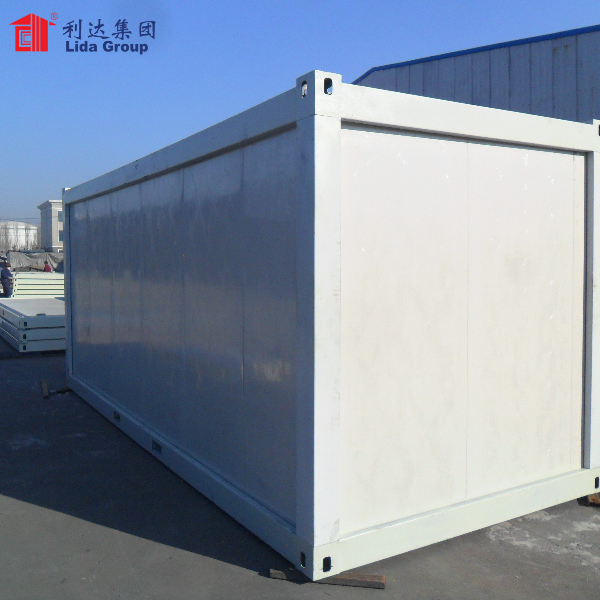
Modular houses are prefabricated structures made in sections or modules in a controlled factory environment. These modules are then transported to the construction site, where they are assembled into a complete building. This method contrasts with traditional construction, which often involves lengthy timelines and extensive on-site labor. Lida Group’s modular houses are designed to provide high-quality, durable, and flexible living spaces tailored to meet the needs of various clients.
Key Features of Lida Group’s Modular Houses
- Rapid Construction: One of the most significant advantages of modular houses is their speed of construction. While modules are being fabricated off-site, site preparation can occur concurrently, significantly reducing overall project timelines.
- Quality Control: Factory production allows for rigorous quality assurance processes, ensuring that each module meets high safety and performance standards.
- Cost-Effectiveness: The streamlined production process typically results in lower labor and material costs, making modular houses a budget-friendly option for many clients.
- Customization: Lida Group offers a wide range of designs and configurations, allowing clients to customize their modular houses to fit specific requirements.
- Sustainability: Many of Lida Group’s modular houses are designed with eco-friendly materials and energy-efficient systems, promoting sustainable construction practices.
Advantages of Lida Group’s Modular Houses
1. Enhanced Efficiency
Efficiency is a cornerstone of modern construction practices, and modular houses deliver on this promise:
- Time-Saving Construction: The ability to manufacture modules in a controlled environment means that construction can proceed without delays due to weather conditions or other site-related issues. Projects that may take months to complete using traditional methods can often be finished in a fraction of the time with modular construction.
- Concurrent Processes: While the modules are being fabricated, site preparations such as laying foundations can occur simultaneously, further expediting the overall timeline.
2. Cost Savings
Financial considerations are paramount in any construction project:
- Lower Labor Costs: The efficiency of modular construction reduces the number of labor hours required, leading to significant cost savings. Fewer workers are needed on-site, which can also mitigate the risks associated with labor shortages.
- Reduced Material Waste: Building in a factory setting allows for better management of materials and minimizes waste generated during construction. This not only lowers costs but also enhances sustainability.
- Predictable Budgeting: With a more streamlined construction process, clients can often receive more accurate estimates, reducing the likelihood of unexpected costs arising during the project.
3. Improved Quality
Quality is a fundamental aspect of any building project:
- Consistent Standards: Factory production allows for stricter quality control measures. Each module can be inspected for quality and safety before it ever reaches the construction site.
- Durability and Longevity: Modular houses are constructed using high-quality materials and methods comparable to traditional construction, ensuring that they are built to last. This durability translates into lower maintenance costs over the lifespan of the building.
4. Flexibility and Customization
Lida Group’s modular houses offer unparalleled flexibility:
- Adaptable Designs: The modular nature allows for easy reconfiguration and expansion. Clients can start with a basic structure and add modules as their needs change, making it an ideal solution for growing families or businesses.
- Tailored Solutions: Lida Group works closely with clients to develop customized designs that meet specific operational requirements, ensuring that the final product aligns with their vision.
5. Sustainability
Sustainability is increasingly important in construction, and Lida Group’s modular houses are designed with this in mind:
- Eco-Friendly Materials: Many of the materials used in Lida Group’s modular houses are sourced sustainably. By repurposing materials and using recycled components, the environmental impact is significantly reduced.
- Energy Efficiency: Modular houses can be equipped with energy-efficient systems, such as high-quality insulation, energy-efficient windows, and renewable energy sources like solar panels. This can lead to reduced energy consumption and lower utility bills.
- Reduced Carbon Footprint: By minimizing waste and utilizing sustainable materials, modular construction helps reduce the overall carbon footprint of building projects.
6. Versatility in Applications
Lida Group’s modular houses are suitable for a wide range of applications:
- Residential Housing: Modular homes can serve as primary residences, vacation homes, or temporary housing solutions. Their adaptability makes them ideal for various living situations.
- Commercial Spaces: Businesses can utilize modular buildings for offices, retail spaces, or dining establishments. The quick assembly allows companies to set up operations swiftly in a competitive market.
- Educational Facilities: Schools and universities can benefit from modular classrooms and administrative buildings, providing flexible solutions that can be expanded or reconfigured as needed.
- Healthcare Facilities: In times of crisis, such as pandemics, modular buildings can be quickly deployed as temporary clinics or vaccination centers, ensuring communities have access to essential services.
The Construction Process
1. Planning and Design
The construction of modular houses begins with thorough planning:
- Needs Assessment: Engaging with clients to assess their specific requirements, including the number of occupants and desired amenities, is crucial for effective design.
- Site Evaluation: Evaluating the site for accessibility, environmental conditions, and available resources helps inform the design process.
2. Modular Production
Once the design is finalized, the construction process begins off-site:
- Factory Production: Modular units are constructed in a controlled environment, allowing for precision and quality control. This typically involves assembling walls, roofs, and internal fixtures.
- Quality Assurance: Each module undergoes rigorous inspections to ensure safety and quality standards are met before being transported to the site.
3. Transportation and Assembly
The next phase involves transporting the modular units to the construction site:
- Logistics Management: Coordinating transportation logistics is essential to ensure that units arrive on time and in good condition.
- On-Site Assembly: Once on-site, the units can be quickly assembled into the desired configuration, often within days.
4. Final Touches
After assembly, the final steps include:
- Interior Finishing: Adding furnishings and appliances ensures that the modular houses are ready for occupancy.
- Site Preparation: Ensuring that the surrounding area is safe and accessible for occupants, including landscaping and utility connections.
Case Studies: Successful Modular House Projects
Case Study 1: Residential Housing Development
Challenge: A growing community needed affordable housing solutions to accommodate an influx of new residents.
Solution: Lida Group provided modular homes designed with modern amenities and customizable layouts.
Outcome: The project was completed in record time, allowing families to move into their new homes quickly. The community reported high satisfaction levels with the quality and comfort of the new housing.
Case Study 2: Temporary Office Spaces
Challenge: A technology firm required temporary office space to accommodate a project team during a critical development phase.
Solution: Lida Group delivered modular office units that included meeting rooms, workstations, and break areas.
Outcome: The quick deployment of the modular offices allowed the company to maintain productivity without disruption, and the flexibility of the design enabled easy reconfiguration as project needs changed.
Case Study 3: Educational Facility Expansion
Challenge: A local school district faced overcrowding due to increased enrollment.
Solution: Lida Group supplied modular classrooms that could be quickly assembled on-site, providing additional space for learning.
Outcome: The new classrooms were ready for use in a fraction of the time it would have taken for traditional construction, allowing the school to meet its needs promptly and effectively.
The Future of Modular Houses
Trends Shaping the Industry
The future of modular houses will be influenced by several key trends:
1. Increased Demand for Sustainable Practices
As environmental awareness continues to grow, industries are under pressure to adopt sustainable practices:
- Eco-Friendly Solutions: Companies prioritizing sustainability will appeal to a growing market of environmentally conscious consumers.
- Regulatory Changes: Governments may implement stricter regulations on environmental impact, driving the need for sustainable building solutions.
2. Technological Advancements
Advancements in technology will enhance the efficiency of modular houses:
- Smart Technologies: The integration of IoT devices will enable real-time monitoring and optimization of living conditions and resource usage.
- Automation: Automation in production processes can improve efficiency and reduce labor costs.
3. Customization and Modularity
The demand for customizable and modular designs will continue to grow:
- Flexible Accommodation Solutions: Businesses will increasingly require modular houses that can be easily adapted to changing operational needs.
- Rapid Deployment: Prefabricated solutions will allow for quick construction and minimal disruption, catering to the fast-paced demands of modern industries.
Commitment to Innovation
Leading firms in the modular housing market, including Lida Group, remain dedicated to innovation:
- Research and Development: Continuous investment in R&D ensures that companies stay at the forefront of technological advancements in modular construction.
- Client Collaboration: By working closely with clients, firms can develop tailored solutions that meet specific operational requirements and sustainability goals.
Conclusion
Lida Group’s modular houses represent a significant advancement in the construction industry, offering numerous advantages that streamline the building process while enhancing quality and comfort. Their focus on rapid deployment, cost-effectiveness, and sustainability makes them an ideal choice for various applications, from residential housing to commercial spaces and educational facilities.
As the demand for efficient and adaptable housing solutions continues to grow, modular houses will play a crucial role in shaping the future of construction. The potential for innovation and improvement in living standards is immense, and Lida Group is well-positioned to lead this transformative movement.
In a world where flexibility, sustainability, and quality are paramount, Lida Group’s modular houses provide an innovative answer to modern housing challenges. Through strategic investments and a commitment to excellence, the modular housing sector is poised to enhance operational capabilities for its clients and contribute positively to the evolution of housing solutions. The journey toward a more efficient and sustainable future in construction is just beginning, and the possibilities for growth and innovation are limitless.
Contact Us
Post time: Jun-12-2025