
Introduction
In recent years, the demand for innovative housing solutions has skyrocketed due to urbanization, environmental concerns, and the need for affordable living options. Prefab container houses, particularly those measuring 20FT and 40FT, have emerged as versatile and practical solutions. This article explores the features, benefits, applications, and future trends of factory direct prefab container houses, emphasizing their significance in modern construction.
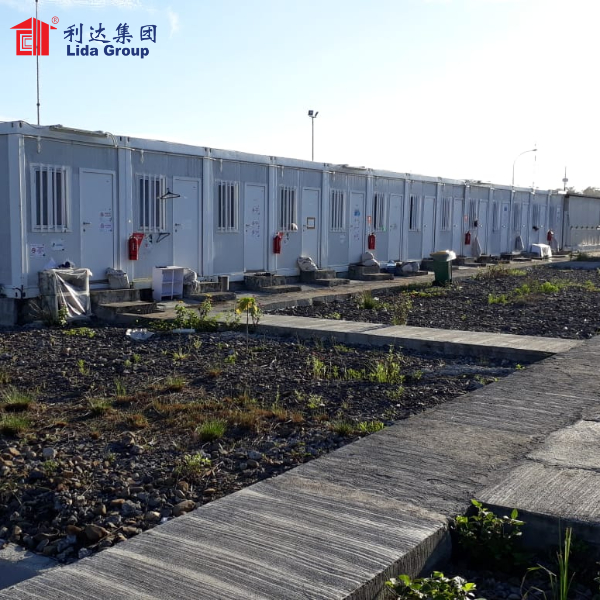
Understanding Prefab Container Houses
What Are Prefab Container Houses?
Prefab container houses are structures made from repurposed shipping containers designed for residential or commercial use. These containers are modified to create living or working spaces, offering a sustainable and efficient alternative to traditional building methods.
Key Features of Prefab Container Houses
- Modularity: Container houses can be stacked or arranged in various configurations to meet specific needs.
- Durability: Shipping containers are built to withstand harsh conditions, making them strong and long-lasting.
- Sustainability: Using repurposed containers reduces waste and promotes eco-friendly building practices.
- Cost-Effectiveness: Prefab designs often lead to lower construction costs compared to traditional homes.
Advantages of 20FT and 40FT Container Houses
1. Space Optimization
Both 20FT and 40FT containers offer flexibility in space utilization:
- Compact Design: The 20FT container is ideal for smaller living spaces or offices, while the 40FT container provides ample room for larger families or businesses.
- Expandable Options: Containers can be combined to create larger structures when needed.
2. Quick Construction
Prefab container houses can be erected rapidly:
- Minimal Site Preparation: Since containers are pre-manufactured, the need for extensive groundwork is reduced.
- Fast Assembly: The modular design allows for quick installation on-site.
3. Affordability
Cost considerations are a major factor in housing:
- Lower Material Costs: Utilizing shipping containers reduces the need for traditional building materials.
- Reduced Labor Costs: The efficiency of prefab construction minimizes overall labor expenses.
4. Mobility
Container houses offer unique mobility advantages:
- Transportable: Containers can be easily moved, making them ideal for temporary housing or mobile offices.
- Flexible Locations: They can be placed in various environments, from urban settings to remote areas.
5. Customization
One of the standout features of prefab container houses is their adaptability:
- Interior Customization: Owners can design the interior layout to suit their needs, including the number of rooms and amenities.
- Exterior Finishes: A variety of finishes, colors, and designs can be applied to enhance aesthetics.
Design Features of 20FT and 40FT Container Houses
1. Structural Components
Prefab container houses are designed with durability in mind:
- Steel Framework: The inherent strength of steel containers provides a solid foundation.
- Insulation Options: Effective insulation materials can be added to improve energy efficiency and comfort.
2. Interior Layouts
Flexibility in design allows for various configurations:
- Open Floor Plans: Many designs feature open layouts that maximize space and light.
- Room Divisions: Containers can be modified to include multiple rooms, bathrooms, and kitchens.
3. Energy Efficiency
Modern prefab container houses can be designed for energy efficiency:
- Solar Panel Integration: Many container homes incorporate solar panels to reduce energy costs.
- Efficient Appliances: Energy-efficient appliances can be installed to further lower consumption.
4. Aesthetic Considerations
While functionality is key, aesthetics also matter:
- Variety of Styles: Containers can be finished in numerous styles, from modern to rustic.
- Landscaping Integration: Surrounding landscapes can enhance the overall appeal of container homes.
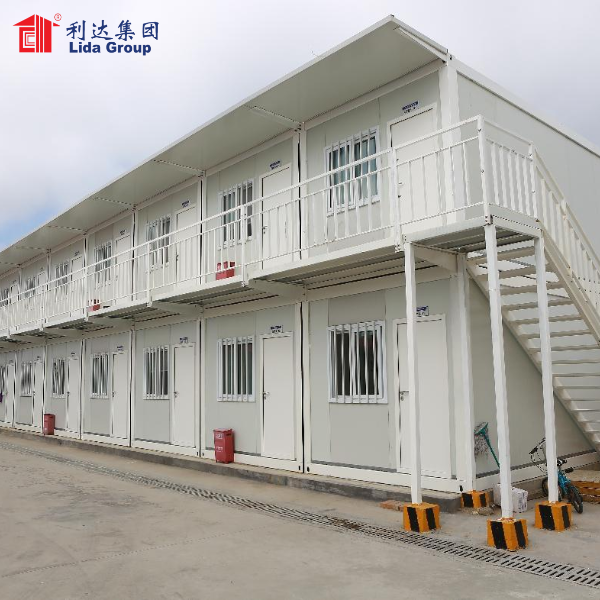
Applications of Prefab Container Houses
1. Residential Use
Prefab container houses are becoming increasingly popular for residential living:
- Affordable Housing: They provide cost-effective solutions for individuals and families.
- Vacation Homes: Their mobility makes them suitable for vacation properties or retreats.
2. Commercial Spaces
Businesses can benefit from prefab container houses:
- Office Spaces: Container offices are a practical solution for startups and remote work environments.
- Retail Outlets: Many businesses use containers as pop-up shops or permanent retail locations.
3. Temporary Housing
Container houses are ideal for temporary housing solutions:
- Disaster Relief: They can be rapidly deployed in disaster-stricken areas to provide shelter.
- Construction Sites: Temporary housing for workers can be easily established using containers.
4. Educational Facilities
Container houses can serve educational purposes:
- Classrooms: They can be converted into classrooms or learning spaces for schools.
- Training Centers: Container designs can accommodate various training programs.
5. Recreational Facilities
The versatility of container houses extends to recreational uses:
- Camping Units: Containers can be transformed into unique camping accommodations.
- Community Centers: They can serve as community gathering places, offering flexible space for events.
Case Studies: Successful Implementations
1. Container Office for Startups
A tech startup utilized a 20FT container as their office space. The compact design allowed for a functional workspace while minimizing overhead costs.
2. Disaster Relief Housing
After a natural disaster, a non-profit organization deployed several 40FT container houses to provide immediate shelter for displaced families. The containers were quickly modified to ensure comfort and safety.
Addressing Common Concerns
1. Insulation and Comfort
One concern with container houses is temperature regulation:
- Effective Insulation: Proper insulation techniques can ensure comfort in both hot and cold climates.
- Ventilation Solutions: Windows and ventilation systems can be integrated to enhance airflow.
2. Building Regulations
Navigating local building codes can be challenging:
- Compliance Assurance: Working with experienced contractors can help ensure that container homes meet all necessary regulations.
- Local Approvals: Researching local zoning laws is essential for successful installation.
3. Aesthetic Appeal
Some may worry about the appearance of container houses:
- Customizable Designs: A wide range of exterior finishes and landscaping options can enhance visual appeal.
- Architectural Innovations: Modern designs can rival traditional homes in beauty and functionality.
The Future of Prefab Container Houses
Trends Influencing the Industry
- Sustainability Focus: As environmental awareness increases, the demand for eco-friendly housing solutions will grow.
- Technological Advancements: Innovations in construction technology will improve efficiency and customization options.
- Urbanization: Growing urban populations will drive the need for affordable and adaptable housing solutions.
Lida Group’s Commitment to Quality
Companies like Lida Group are at the forefront of prefab container house construction. Their dedication to quality, sustainability, and customer satisfaction positions them as leaders in the industry.
Conclusion
Factory direct 20FT and 40FT prefab container houses offer a modern, versatile solution to the challenges of housing and commercial space. With numerous advantages, including cost-effectiveness, rapid construction, and sustainability, these structures are reshaping the way we think about living and working. As the demand for innovative housing solutions continues to rise, prefab container houses will play a vital role in addressing the needs of urban populations and beyond.
Contact Us
Post time: Aug-19-2024