
Introduction
In the dynamic world of construction, the need for efficient and flexible housing solutions has never been more critical. With projects often taking place in remote locations, the Lida Group’s container camp house stands out as a versatile and practical option. This article explores the design, benefits, applications, and future potential of container camp houses in building sites.
Understanding Container Camp Houses
What Are Container Camp Houses?
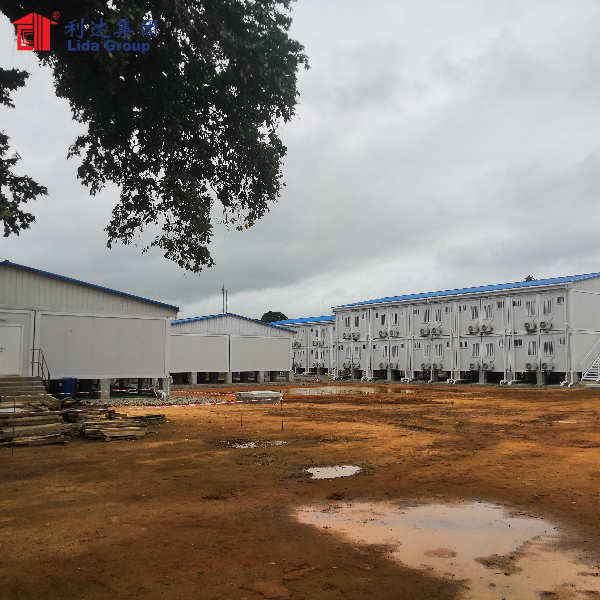
Container camp houses are prefabricated structures made from shipping containers, repurposed to provide comfortable living and working spaces. These structures are designed for quick installation and can easily be transported to various job sites. They serve as temporary or permanent accommodations for construction workers, site managers, and other personnel.
Design Features
- Modular Construction: Container camp houses can be stacked and arranged in various configurations to meet specific needs, allowing for flexibility in design.
- Durability: Made from steel, these structures are robust and resistant to harsh weather conditions, ensuring longevity.
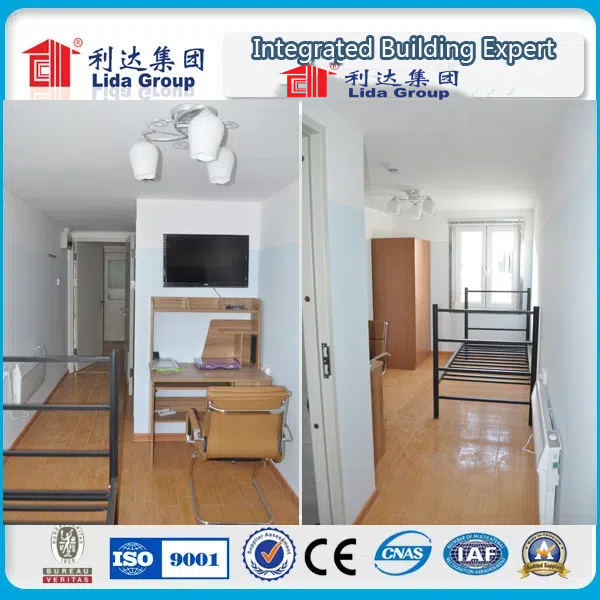
- Insulation and Comfort: Proper insulation keeps the interiors comfortable, making them suitable for year-round use.
The Need for Container Camp Houses in Construction
Challenges in Construction Sites
- Remote Locations: Many construction projects occur far from urban centers, necessitating on-site housing.
- Worker Welfare: Providing adequate accommodations is essential for maintaining worker morale and productivity.
- Cost Management: Temporary housing solutions must be cost-effective to keep project budgets on track.
Historical Context
Traditionally, construction workers either commuted long distances or lived in basic, temporary setups. The introduction of container camp houses revolutionized how companies approach worker accommodations, providing a more sustainable and efficient solution.
Benefits of Lida Group Container Camp Houses
1. Quick Deployment
Container camp houses are known for their rapid installation:
- Prefabrication: Units are manufactured off-site, reducing construction time significantly.
- Immediate Availability: Ideal for projects with tight deadlines or urgent housing needs.
2. Cost-Effectiveness
Utilizing container camp houses can lead to significant cost savings:
- Reduced Labor Costs: Quick assembly and minimal site preparation lower labor expenses.
- Lower Material Waste: Prefabrication allows for precise material usage, minimizing waste.
3. Enhanced Worker Comfort
Worker satisfaction is critical for productivity:
- Comfortable Living Spaces: Container houses can be equipped with necessary amenities, including kitchens, bathrooms, and living areas.
- Community Spaces: Design options can include communal areas for social interaction, enhancing worker morale.
4. Flexibility and Scalability
The modular nature of container camp houses provides unmatched flexibility:
- Adaptable Configurations: Easily modify layouts to accommodate changing workforce sizes.
- Scalable Solutions: Additional units can be added as project demands evolve.
Design and Construction Process
1. Site Assessment
Before installation, a thorough site assessment is conducted:
- Environmental Evaluation: Understanding local climate and terrain to inform design choices.
- Utility Access: Ensuring availability of water, electricity, and sewage connections.
2. Customization Options
Lida Group offers a range of customization options:
- Room Layouts: Configurations tailored for sleeping, dining, and recreation.
- Amenities: Options for advanced kitchen facilities, bathrooms, and recreational areas.
3. Manufacturing and Quality Control
The manufacturing process includes:
- Material Selection: High-quality shipping containers and durable materials are chosen.
- Quality Assurance: Strict measures ensure all components meet safety and quality standards.
4. Assembly on Site
Once the units arrive, assembly involves:
- Foundation Preparation: A solid base is created to support the structures.
- Erection of Containers: Quick assembly of the prefabricated units, including necessary utility connections.
5. Final Inspection
After assembly, a comprehensive inspection ensures:
- Safety Compliance: All structures meet local building codes and safety regulations.
- Functionality: Verification that all amenities are operational.
Applications of Container Camp Houses
1. Construction Projects
In construction, container camp houses provide essential accommodations:
- On-Site Housing: Reduces travel time, enhancing worker efficiency.
- Support for Diverse Workforce: Accommodates various roles, from laborers to project managers.
2. Mining Operations
Mining companies often operate in remote locations where container camp houses are invaluable:
- Proximity to Worksites: Ensures workers are close to their jobs, improving safety and productivity.
- Community Building: Shared living spaces foster teamwork and collaboration.
3. Oil and Gas Industries
In the oil and gas sector, container camp houses are vital:
- Temporary Housing: Provides accommodations during drilling and extraction projects.
- Rapid Response: Quickly established living quarters in response to project demands.
4. Disaster Relief
Following natural disasters, container camp houses serve as immediate housing solutions:
- Emergency Shelters: Offer safe and comfortable housing for displaced individuals.
- Support for First Responders: Provide accommodations for emergency personnel working in affected areas.
5. Military and Government Use
Container camp houses are also utilized by military operations:
- Forward Operating Bases: Quickly establish living quarters for troops in remote areas.
- Government Projects: Temporary housing for workers involved in infrastructure development or humanitarian efforts.
Case Studies: Successful Implementations
1. Construction Camp in Alberta
A significant construction project in Alberta utilized container camp houses to accommodate workers on-site. The camp featured fully equipped kitchens, bathrooms, and communal areas, leading to increased productivity and worker satisfaction. Feedback indicated that the living conditions significantly improved morale.
2. Mining Camp in Queensland
In Queensland, a mining company deployed container camp houses for its workforce. The modular design allowed for efficient use of space, while the inclusion of private sleeping quarters and communal kitchens enhanced comfort. The camp’s success led to its continued use for subsequent mining operations.
3. Disaster Relief in Puerto Rico
After hurricanes devastated Puerto Rico, container camp houses were deployed to provide temporary housing for displaced residents and emergency responders. Equipped with essential amenities, these structures served as safe havens during the recovery process, showcasing the flexibility and effectiveness of container housing solutions.
Addressing Common Concerns
1. Perceptions of Quality
Concerns about the quality of container houses compared to traditional buildings can arise. However, rigorous quality control and the use of high-grade materials ensure that these structures are durable and reliable.
2. Longevity and Maintenance
Some may question the lifespan of container houses. Properly maintained, these structures can last for decades. Regular inspections and maintenance protocols ensure long-term functionality.
3. Customization Limitations
Clients often worry about the ability to customize container structures. Lida Group offers extensive customization options, ensuring that each camp house meets the specific needs of its occupants.
The Future of Container Camp Houses
Trends Influencing Modular Housing
- Sustainability: Increasing demand for eco-friendly building practices drives the popularity of repurposed materials, such as shipping containers.
- Technological Advancements: Smart technologies integrated into container houses enhance energy efficiency and operational management.
- Growing Demand for Flexibility: The need for adaptable housing solutions will continue to shape the future of modular designs.
Lida Group’s Commitment to Innovation
Lida Group is dedicated to continuously improving container camp house solutions. By investing in research and development, the company aims to stay ahead of industry trends and deliver cutting-edge housing solutions that meet the evolving needs of workers in remote environments.
Conclusion
Lida Group’s container camp houses represent a significant advancement in worker accommodations for construction sites. By combining modular design, durability, and essential amenities, these structures provide flexible and efficient housing solutions. As the demand for innovative housing continues to grow, container camp houses are set to play a vital role in enhancing worker comfort and productivity in remote locations. With a focus on sustainability, adaptability, and worker welfare, Lida Group is leading the way in transforming the landscape of temporary housing.
Contact Us
Post time: Aug-14-2024