
Introduction
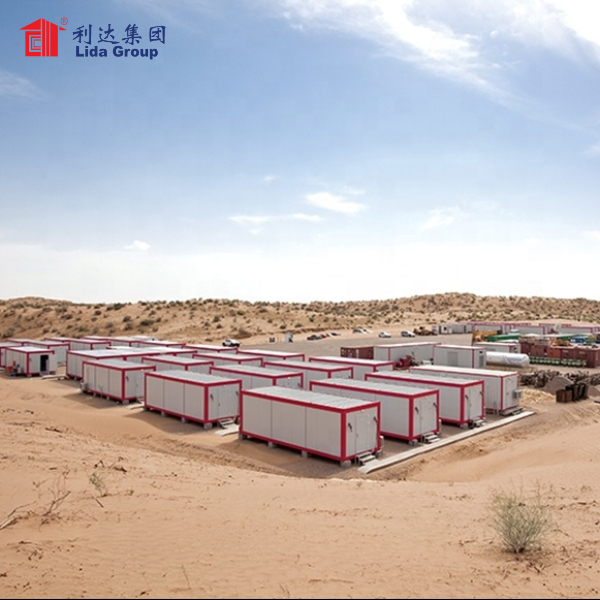
In today’s fast-paced world, the demand for efficient, safe, and adaptable housing solutions has never been greater. Particularly in remote locations, such as construction sites, mining operations, and disaster recovery zones, having a reliable shelter is critical. Lida Group has emerged as a leader in providing portable modular housing solutions that emphasize ease of installation, safety, and comfort. This article explores the features, benefits, applications, and real-world implementations of Lida Group’s easy-install fire-proof portable modular remote site housing camps.
The Need for Remote Site Housing
Importance of Adequate Shelter
In remote sites, where workers may be away from their homes for extended periods, providing adequate shelter is essential. Key reasons include:
- Worker Safety: Safe housing protects workers from environmental hazards.
- Health and Well-being: Comfortable living conditions contribute to the overall health and morale of workers.
- Operational Efficiency: Proximity to work sites reduces travel time, allowing for more productive workdays.
Challenges Faced in Remote Housing
Traditional housing solutions often face significant challenges in remote areas:
- Logistical Difficulties: Transporting building materials to remote locations can be complicated and costly.
- Time Constraints: Conventional construction methods can lead to delays, hindering project timelines.
- Safety Concerns: Ensuring safety standards in temporary housing can be challenging, especially in fire-prone areas.
Advantages of Lida Group’s Portable Modular Housing Camps
1. Easy Installation
One of the standout features of Lida Group’s modular camps is their easy installation process. The components are designed for rapid assembly, which includes:
- Pre-Fabrication: Components are manufactured off-site, allowing for quick on-site assembly.
- Minimal Tools Required: The design minimizes the need for extensive tools or specialized labor, making it accessible for most teams.
2. Fire-Proof Construction
Safety is paramount in remote housing, particularly in industries where fire hazards are prevalent. Lida Group’s portable housing is designed with fire-resistant materials that provide:
- Enhanced Safety: Fire-proof materials reduce the risk of fire spreading and protect the occupants.
- Compliance with Regulations: Structures meet local fire safety codes, ensuring legal compliance.
3. Portability and Flexibility
The modular design allows for easy relocation and reconfiguration. This flexibility is essential for projects where site conditions may change. Key benefits include:
- Adaptability: Camps can be expanded or downsized based on workforce needs.
- Ease of Transport: Components can be easily transported to different locations as projects evolve.
4. Comfort and Amenities
Lida Group prioritizes worker comfort in their designs. Features often include:
- Private Sleeping Quarters: Individual or shared rooms provide personal space for workers.
- Common Areas: Shared kitchens, dining areas, and recreational spaces foster a sense of community.
- Sanitary Facilities: Adequate bathrooms and laundry facilities ensure hygiene and convenience.
5. Cost-Effectiveness
Using portable modular housing can lead to significant cost savings. Factors contributing to cost-effectiveness include:
- Reduced Construction Time: Quick assembly minimizes labor costs.
- Lower Transportation Costs: The modular design allows for efficient transport of components.
Design and Construction Process
1. Site Assessment
Before installation, a thorough site assessment is critical. This process involves:
- Evaluating Site Conditions: Analyzing the terrain, climate, and accessibility to determine the best layout and materials.
- Planning for Utilities: Ensuring access to essential services such as water, electricity, and sanitation.
2. Customization Options
Lida Group offers various customization options to meet specific project needs. Common customizations include:
- Room Configurations: Different layouts for sleeping arrangements to accommodate various workforce sizes.
- Additional Amenities: Options for recreational areas, meeting spaces, and dining facilities.
3. Manufacturing
After planning, the manufacturing process begins. Key steps include:
- Material Selection: High-quality, fire-resistant materials are chosen to ensure safety and durability.
- Component Fabrication: Components such as walls, roofs, and floors are fabricated in a controlled environment.
4. Transportation to Site
Once manufactured, components are transported to the site. Lida Group ensures efficient logistics to minimize delays and costs.
5. Assembly on Site
The assembly process involves several steps:
- Foundation Preparation: A solid foundation is prepared, often involving concrete pads or footings.
- Erection of Frame: The steel frame is assembled first, providing the structural integrity of the building.
- Installation of Panels: Wall and roof panels are attached to the frame, completing the exterior.
- Interior Finishing: Interior features such as partitions, plumbing, and electrical systems are installed.
6. Quality Control and Safety Inspections
Throughout the construction process, Lida Group emphasizes quality control. Regular inspections ensure that all components meet safety standards and design specifications.
Applications of Lida Group’s Modular Housing Camps
1. Construction Sites
Modular housing camps are ideal for construction sites, providing workers with comfortable accommodations close to their work areas. This setup enhances productivity and reduces travel time.
2. Mining Operations
In remote mining locations, Lida Group’s portable camps offer essential housing for workers. Their fire-proof features are particularly beneficial in industries where flammable materials are present.
3. Disaster Relief Efforts
After natural disasters, portable modular housing can be rapidly deployed to provide shelter for displaced individuals and emergency responders. Their quick assembly allows for immediate relief efforts.
4. Oil and Gas Industries
In the oil and gas sector, remote workers often require temporary housing solutions. Lida Group’s camps can be easily transported and installed in challenging environments.
5. Military and Government Use
Portable modular housing is also suitable for military operations and government projects in remote areas. These camps can provide secure and comfortable living conditions for personnel.
Addressing Common Concerns
1. Quality of Modular Structures
Concerns about the quality of prefabricated buildings are common. Lida Group addresses these concerns through strict quality control measures and the use of high-quality materials.
2. Longevity and Maintenance
Many clients worry about the longevity of portable structures. Lida Group’s modular camps are designed for durability and require minimal maintenance, ensuring a long lifespan.
3. Customization Limitations
Some clients may fear that modular housing lacks customization options. Lida Group offers a wide range of design options to meet various needs, ensuring that each camp is tailored to the specific requirements of the project.
The Future of Portable Modular Housing
Trends Influencing Modular Housing
- Sustainability: As environmental concerns grow, the demand for sustainable construction practices will rise, driving innovation in modular housing solutions.
- Technological Integration: The incorporation of smart technologies into modular designs will enhance energy efficiency and operational management.
- Increased Demand for Flexibility: As industries evolve, the need for adaptable and scalable housing solutions will become paramount.
Lida Group’s Commitment to Innovation
Lida Group is committed to continuous improvement in modular housing solutions. By investing in research and development, the company aims to stay ahead of industry trends and deliver cutting-edge solutions that meet the evolving needs of workers in remote locations.
Conclusion
Lida Group’s easy-install fire-proof portable modular remote site housing camps provide an innovative, efficient, and safe solution for various industries. With quick assembly, durability, and customizable designs, these structures meet the critical need for adequate worker accommodation in remote environments. As the demand for effective housing solutions continues to grow, Lida Group remains at the forefront of delivering high-quality modular buildings that enhance worker safety, comfort, and productivity.
Contact Us
Post time: Aug-13-2024