
Introduction
In the evolving landscape of industrial construction, efficiency, speed, and adaptability have become key factors in building design and execution. Lida Group, a leader in prefabricated light steel structure buildings, has developed innovative solutions for warehouses and storage sheds that cater to the diverse needs of industries worldwide. This article explores the installation methods, advantages, applications, and real-world implementations of Lida Group’s prefabricated light steel structure buildings.
The Importance of Industrial Warehousing
Role of Warehousing in Industry
Warehousing serves as a critical component in supply chain management. It facilitates the storage and distribution of goods, ensuring that products are available when needed. Effective warehousing solutions contribute to:
- Inventory Management: Proper storage helps in tracking inventory levels, reducing losses, and improving order fulfillment.
- Operational Efficiency: Well-designed warehouses streamline operations, reducing handling times and increasing productivity.
- Cost Savings: Efficient use of space and resources leads to significant cost reductions in logistics and storage.
Challenges in Traditional Warehouse Construction
Traditional warehouse construction often faces several challenges, including:
- High Costs: Building permanent structures can be expensive, especially with fluctuating material prices.
- Long Construction Times: Conventional building methods can delay project timelines, impacting business operations.
- Limited Flexibility: Fixed structures may not adapt well to changing storage needs or industry demands.
Advantages of Prefabricated Light Steel Structure Buildings
1. Cost-Effectiveness
Prefabricated light steel structures offer significant cost advantages. By utilizing standardized components and efficient manufacturing processes, Lida Group reduces both labor and material costs, making these buildings an economically viable solution for businesses.
2. Quick Assembly and Installation
One of the standout features of Lida Group’s prefabricated buildings is their rapid assembly. Components are manufactured off-site, allowing for quick on-site construction. This efficiency minimizes downtime and allows businesses to begin operations sooner.
3. Durability and Strength
Light steel structures are incredibly strong and resilient. They can withstand harsh weather conditions, making them ideal for various environments. The use of high-quality steel ensures longevity and reduces maintenance costs over time.
4. Flexibility in Design
Lida Group’s prefabricated buildings can be customized to meet specific requirements. Whether for storage, manufacturing, or office space, these structures can accommodate various layouts and designs, providing businesses with the flexibility they need.
5. Sustainability
Prefabricated buildings generally produce less waste during construction and often utilize recyclable materials. Lida Group prioritizes sustainability, ensuring that their buildings align with eco-friendly practices.
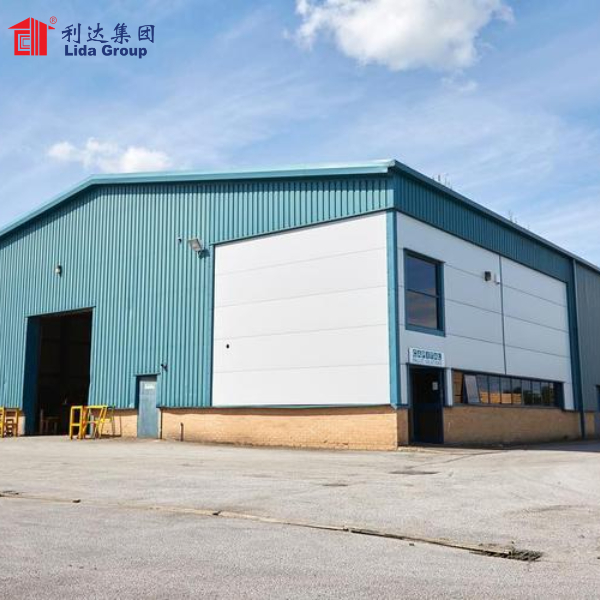
Installation Methods for Prefabricated Light Steel Structures
1. Pre-Construction Planning
Effective installation begins with thorough planning. Key steps include:
- Site Assessment: Analyzing the construction site to understand soil conditions, drainage, and access to utilities.
- Design Approval: Collaborating with clients to finalize building designs and specifications, ensuring all requirements are met.
2. Manufacturing of Components
Once planning is complete, Lida Group manufactures the building components in a controlled factory environment. This process includes:
- Cutting and Shaping: Steel is cut and shaped according to the design specifications.
- Pre-Fabrication of Panels: Wall and roof panels are pre-fabricated, allowing for quick assembly on-site.
3. Transportation to Site
After manufacturing, the components are transported to the construction site. Lida Group ensures that logistics are managed efficiently to minimize delays.
4. Foundation Preparation
Before assembly, a solid foundation must be prepared. This typically involves:
- Excavation: Clearing the site and leveling the ground.
- Concrete Pouring: Pouring concrete footings or slabs to provide stability for the structure.
5. Assembly and Installation
The assembly process involves several key steps:
- Frame Construction: The steel framework is erected first, providing the structural skeleton of the building.
- Panel Installation: Wall and roof panels are attached to the frame, creating the building’s exterior.
- Finishing Touches: Additional features, such as doors, windows, and insulation, are installed to complete the structure.
6. Quality Control and Inspection
Throughout the installation process, Lida Group emphasizes quality control. Inspections ensure that all components meet safety standards and design specifications.
Applications of Prefabricated Light Steel Structure Buildings
1. Warehousing and Storage
Lida Group’s prefabricated buildings are ideal for warehousing applications. They provide ample storage space while allowing for efficient organization of goods.
2. Manufacturing Facilities
Many industries can benefit from prefabricated light steel structures as manufacturing facilities. Their customizable designs support various production layouts and processes.
3. Retail Spaces
In retail environments, these buildings can serve as showrooms or storage facilities, offering flexibility in layout and design.
4. Agricultural Storage
Farmers and agricultural businesses can utilize prefabricated structures for storage of equipment, tools, and produce, providing protection from the elements.
5. Workshops and Industrial Spaces
Light steel structures can also function as workshops or industrial spaces, accommodating machinery and equipment while ensuring a safe working environment.
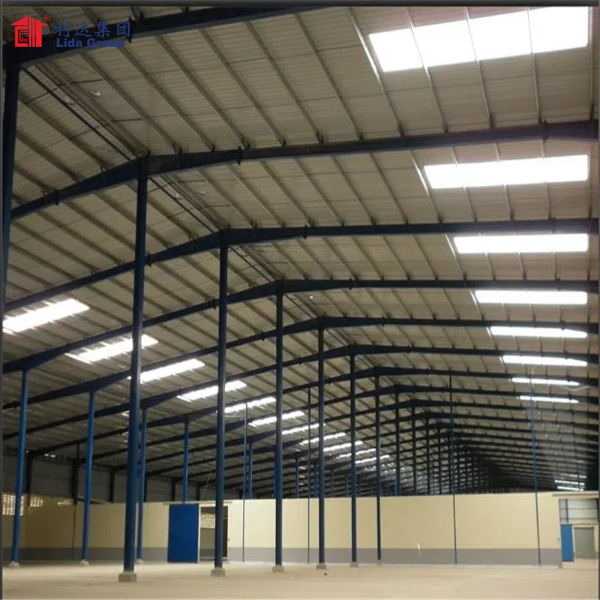
Addressing Common Concerns
1. Quality and Safety
Concerns about the quality and safety of prefabricated structures are common. Lida Group addresses these concerns through rigorous quality control measures and adherence to safety standards.
2. Longevity and Maintenance
Many businesses worry about the longevity of prefabricated buildings. Lida Group’s structures are designed for durability and require minimal maintenance, ensuring a long lifespan.
3. Customization Limitations
Some clients may fear that prefabricated buildings lack customization options. Lida Group offers a wide range of design choices to meet various needs, ensuring that each structure is tailored to the client’s specifications.
The Future of Prefabricated Light Steel Structures
Trends Influencing Industrial Construction
- Sustainability: As environmental concerns grow, the demand for sustainable construction practices will rise, driving innovation in prefabrication techniques.
- Technological Integration: The incorporation of smart technologies into building designs will enhance operational efficiency and energy management.
- Increased Demand for Flexibility: As industries evolve, the need for adaptable and scalable building solutions will become paramount.
Lida Group’s Commitment to Innovation
Lida Group is dedicated to continuous improvement and innovation in prefabricated construction. By investing in research and development, the company aims to stay ahead of industry trends and deliver cutting-edge solutions that meet the evolving needs of businesses.
Conclusion
Lida Group’s prefabricated light steel structure buildings provide an efficient, cost-effective, and adaptable solution for industrial warehousing and storage needs. With quick assembly, durability, and customizable designs, these structures are ideal for various applications across industries. As the demand for innovative construction solutions continues to grow, Lida Group remains committed to delivering high-quality prefabricated buildings that enhance operational efficiency and support the evolving landscape of industrial construction.
Contact Us
Post time: Aug-12-2024