
Introduction
In the current global economy, businesses are continually seeking cost-effective solutions for their operational needs. One of the most significant investments for any enterprise is its infrastructure, particularly warehouses. Lida Group has positioned itself as a leader in providing low-cost, high-quality steel structure warehouses. This article delves into the design, benefits, applications, and future potential of these innovative structures.
Understanding Steel Structure Warehouses
Key Features
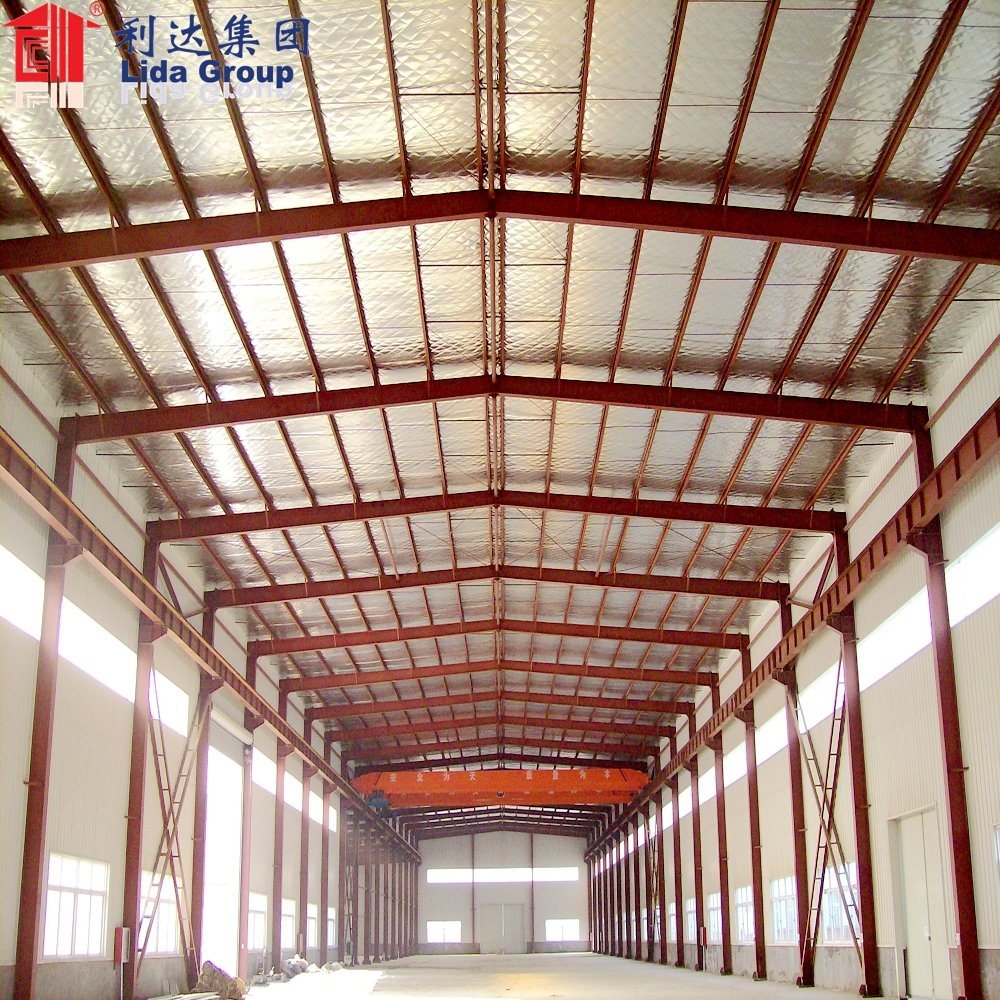
- Durability: Steel is resistant to pests, rot, and extreme weather conditions, ensuring longevity.
- Cost-Effectiveness: The efficiency of construction and materials leads to lower overall costs.
- Flexibility: Steel structures can be easily modified or expanded to accommodate changing business needs.
Benefits of Lida Group’s Steel Structure Warehouses
1. Cost Efficiency
One of the most appealing aspects of Lida Group’s steel structure warehouses is their affordability:
- Lower Material Costs: Steel is often more cost-effective than traditional building materials, such as wood or concrete.
- Reduced Labor Costs: The prefabrication of components allows for quicker assembly, minimizing labor expenses.
2. Speed of Construction
Lida Group’s warehouses can be constructed rapidly due to several factors:
- Prefabricated Components: Most parts are manufactured off-site, allowing for quick assembly on location.
- Streamlined Processes: Efficient design and planning lead to shorter construction timelines, enabling businesses to become operational sooner.
3. High Quality and Safety Standards
Lida Group prioritizes quality in all its constructions:
- ISO9001 Certification: Ensures adherence to international quality management standards.
- Safety Features: Steel structures are designed with safety in mind, incorporating features such as fire resistance and structural integrity.
4. Environmental Considerations
Environmental sustainability is a growing concern for businesses:
- Recyclable Materials: Steel is 100% recyclable, reducing waste and environmental impact.
- Energy Efficiency: Well-designed steel warehouses can be energy efficient, leading to lower operational costs.
Design and Construction Process
1. Initial Planning and Assessment
Before construction begins, a thorough planning process is essential:
- Site Evaluation: Assessing the land to determine suitability for a steel structure warehouse.
- Needs Analysis: Understanding the specific requirements of the business, including space, layout, and intended use.
2. Custom Design
Lida Group works closely with clients to create tailored solutions:
- Architectural Design: Developing blueprints that optimize functionality and aesthetics.
- Load Calculations: Ensuring the structure can support the intended weight and usage.
3. Prefabrication
The prefabrication of components is a key aspect of Lida Group’s approach:
- Manufacturing in a Controlled Environment: Components are built in a factory setting, ensuring quality control and precision.
- Efficient Use of Materials: Reduces waste and ensures that all components fit together seamlessly.
4. On-Site Assembly
Once components are manufactured, assembly takes place on-site:
- Foundation Preparation: A solid foundation is crucial for the stability of the steel structure.
- Quick Erection of Components: The assembly process is efficient, often completed in days rather than weeks.
5. Final Inspection and Quality Control
After construction, a thorough inspection is conducted:
- Safety Checks: Ensuring all safety features are in place and functioning.
- Quality Assurance: Confirming that the structure meets all regulatory and client standards.
Applications of Steel Structure Warehouses
1. Manufacturing Facilities
Steel structure warehouses are ideal for manufacturing operations:
- Storage of Raw Materials: Ample space to store raw materials and components, facilitating production.
- Distribution Centers: Efficiently manage the distribution of finished products.
2. Retail and E-commerce
In the retail sector, steel warehouses provide critical support:
- Inventory Storage: Accommodate large quantities of inventory for retail businesses and e-commerce platforms.
- Fulfillment Centers: Streamline order processing and shipping operations.
3. Logistics and Transportation
Logistics companies benefit significantly from steel structure warehouses:
- Centralized Operations: Provide a central hub for managing incoming and outgoing shipments.
- Cross-Docking Facilities: Facilitate quick transfer of goods from one vehicle to another without long-term storage.
4. Agriculture and Food Storage
In the agricultural sector, steel warehouses serve vital roles:
- Grain Storage: Durable structures designed to store large quantities of grain and agricultural products.
- Cold Storage Facilities: Maintain optimal temperatures for perishable goods.
5. Construction Industry
The construction industry relies on steel warehouses for various purposes:
- Material Storage: Safely store construction materials and equipment.
- Workshops: Provide space for equipment maintenance and repairs.
Addressing Common Concerns
1. Perception of Quality
Some may question the quality of steel structures compared to traditional materials. However, Lida Group’s commitment to high standards, including ISO9001 certification, ensures that every structure meets rigorous quality benchmarks.
2. Maintenance Requirements
Concerns about ongoing maintenance are common. Steel structures are low-maintenance, requiring minimal upkeep compared to wooden or concrete buildings.
3. Customization Limitations
Potential clients often worry about customization options. Lida Group offers a range of design choices, allowing for tailored solutions that meet specific business needs.
The Future of Steel Structure Warehouses
Trends Influencing Steel Warehouse Design
- Sustainability Initiatives: Increasing emphasis on eco-friendly practices will drive the demand for energy-efficient steel structures.
- Technological Advancements: Innovations in construction technology will streamline processes and enhance building capabilities.
- E-commerce Growth: The rise of online shopping will continue to fuel demand for efficient warehouse solutions.
Lida Group’s Commitment to Innovation
Lida Group is dedicated to leading the industry in innovation. By investing in research and development, the company is poised to provide cutting-edge solutions that meet the evolving demands of the market.
Conclusion
Lida Group’s low-cost, high-quality steel structure warehouses represent a significant advancement in warehouse design and construction. With their durability, cost-effectiveness, and versatility, these structures are ideal for a variety of applications across multiple industries. As businesses continue to seek efficient and sustainable solutions, Lida Group is well-positioned to lead the way in transforming the future of warehousing and logistics.
Contact Us
Post time: Aug-15-2024