
Introduction
As the global economy continues to evolve, the demand for flexible and cost-effective housing solutions has never been greater. In particular, the construction industry is increasingly turning to prefabricated container houses as a viable option for temporary campsites and construction sites. Lida Group, a leader in the production of durable and affordable prefab container houses, provides innovative solutions that cater to this need. This article will explore the features, benefits, applications, and future potential of Lida Group’s low-price prefabricated container houses, highlighting their significance in modern construction and temporary living arrangements.
Understanding Prefabricated Container Houses
What Are Prefabricated Container Houses?
Prefabricated container houses are structures made from repurposed shipping containers that have been modified to serve as living or working spaces. These homes are designed for easy assembly and disassembly, making them ideal for temporary setups, such as campsites and construction sites. Lida Group specializes in the production of these container houses, ensuring they meet high standards of quality, durability, and cost-effectiveness.
Key Features of Lida Group Container Houses
- Durability: Constructed from high-quality steel, Lida container houses are built to withstand harsh weather conditions, including heavy winds and rain, ensuring long-lasting performance.
- Cost-Effectiveness: Lida Group offers competitive pricing for their container houses, making them accessible for businesses and individuals seeking affordable temporary housing solutions.
- Quick Assembly: Designed for easy installation, these container houses can be assembled in a matter of days, significantly reducing downtime on construction sites.
- Customizable Designs: Customers can choose from various layouts and finishes, allowing them to tailor the container houses to their specific needs.
- Mobility: The modular nature of these units allows for easy relocation, making them ideal for temporary setups.
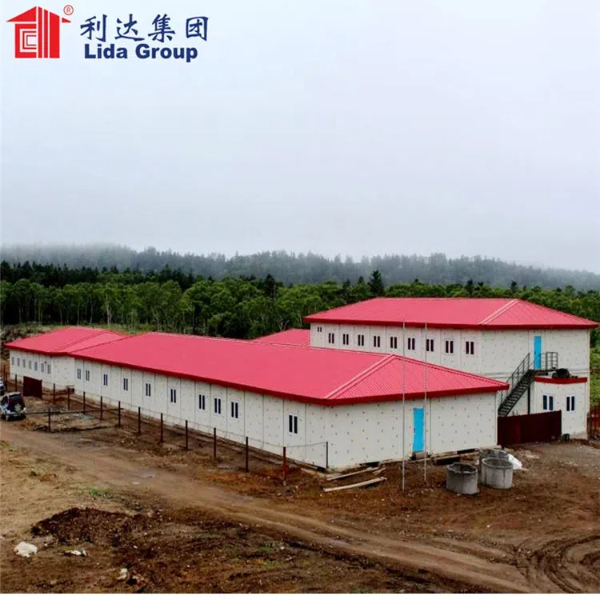
Benefits of Lida Group’s Prefabricated Container Houses
1. Cost-Effectiveness
One of the primary advantages of Lida Group’s container houses is their affordability:
- Lower Construction Costs: Utilizing prefabricated materials reduces labor and material expenses compared to traditional building methods.
- Reduced Utility Expenses: Many container houses come equipped with energy-efficient features, leading to lower utility bills.
2. Flexibility and Adaptability
The modular design of container houses offers exceptional flexibility:
- Various Sizes and Configurations: Lida Group provides options in different sizes and configurations, making it easy to accommodate various needs, from individual workers to larger teams.
- Expandable Designs: Additional containers can be added or reconfigured as project needs change, allowing for easy expansion.
3. Speed of Deployment
The speed at which these container houses can be deployed is a significant advantage:
- Rapid Setup: Container houses can be assembled quickly, allowing companies to establish temporary campsites with minimal delay.
- Immediate Availability: The ability to set up living quarters rapidly is crucial for construction projects with tight deadlines.
4. Sustainability
Prefabricated container houses contribute to sustainable building practices:
- Recycling and Repurposing: By using shipping containers that would otherwise go to waste, these homes promote recycling and reduce environmental impact.
- Energy Efficiency: Many designs incorporate insulation and energy-efficient systems, helping reduce the carbon footprint.
5. Versatility
Lida Group’s container houses can be used for a variety of applications:
- Temporary Housing: Ideal for construction workers, engineers, or staff on temporary assignments, providing comfortable living spaces close to project sites.
- Office Spaces: These units can be easily converted into office spaces, facilitating project management and coordination directly on-site.
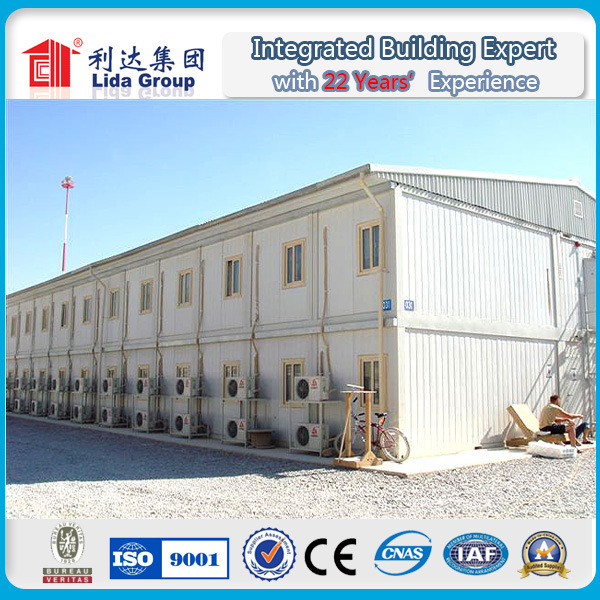
Applications of Prefabricated Container Houses
1. Temporary Campsites
In the construction industry, temporary campsites are often necessary to house workers:
- Worker Accommodations: Lida Group’s container houses provide safe and comfortable living arrangements for construction crews, ensuring they have a place to rest and recharge during projects.
- Site Facilities: Container houses can also serve as dining areas, break rooms, or recreational spaces, enhancing the well-being of workers on site.
2. Construction Sites
The versatility of container houses makes them ideal for construction applications:
- Site Offices: These containers can be converted into functional office spaces where project managers can work, hold meetings, and store equipment.
- Storage Units: The robust design of container houses makes them suitable for secure storage of tools and materials, protecting valuable assets from theft or damage.
3. Emergency and Disaster Relief
In the event of natural disasters, prefabricated container houses can provide immediate shelter:
- Disaster Response: Following events like hurricanes or earthquakes, these homes can be deployed quickly to offer temporary housing for displaced individuals and families.
- Mobile Clinics: Container units can also be repurposed as mobile clinics, providing essential medical services in affected areas.
4. Educational Facilities
In remote or underserved areas, container houses can serve educational purposes:
- Classrooms: Container houses can be transformed into classrooms, providing essential learning spaces for students in need.
- Training Centers: Organizations can use these units as training facilities for workshops, vocational training, and community programs.
5. Recreational Uses
Container houses can also be used for recreational purposes:
- Camping and Glamping: These units can be set up in scenic locations to create unique camping experiences, appealing to outdoor enthusiasts looking for comfort in nature.
- Vacation Rentals: Container houses can serve as eco-friendly vacation rentals, attracting tourists seeking unconventional lodging.
Design Considerations for Lida Group Container Houses
1. Space Optimization
Efficient use of space is paramount in container house design:
- Open Floor Plans: Many designs incorporate open layouts to maximize usable space and create a spacious feel.
- Multi-Functional Areas: Designing areas for multiple purposes (e.g., a living room that doubles as a workspace) enhances functionality.
2. Insulation and Climate Control
Proper insulation is crucial for comfort:
- Thermal Insulation: Effective insulation ensures that the interior remains comfortable regardless of outdoor temperatures, reducing heating and cooling costs.
- Ventilation Systems: Incorporating good ventilation helps maintain air quality and comfort within the living spaces.
3. Aesthetic Appeal
While functionality is essential, aesthetics should not be overlooked:
- Exterior Finishes: Creative exterior designs, such as wood cladding or vibrant paint, can enhance the visual appeal of the container houses.
- Interior Design: Thoughtful interior design can transform a container house into a cozy, welcoming home.
4. Safety and Security
Safety is a top priority for any housing solution:
- Structural Integrity: Ensuring that the container house is structurally sound and meets safety standards is vital for occupant safety.
- Security Features: Incorporating secure locks, alarms, and surveillance systems can enhance the safety of the units.
Overcoming Challenges with Prefabricated Container Houses
1. Regulatory Compliance
Navigating local building codes can be a challenge:
- Understanding Local Regulations: It is essential to research and understand local building codes and zoning laws prior to construction.
- Advocacy for Acceptance: Advocating for regulatory changes that support the use of container homes can help broaden their acceptance in various communities.
2. Public Perception
Misconceptions about container homes can hinder their acceptance:
- Education and Outreach: Providing information about the benefits and possibilities of prefabricated container houses can help change public perceptions.
- Showcasing Success Stories: Highlighting successful container home projects can demonstrate their viability and appeal, helping to dispel myths.
3. Initial Investment Costs
While prefabricated container houses often save money in the long run, initial costs can be a concern:
- Financing Options: Offering diverse financing solutions can help potential homeowners or businesses manage upfront costs more effectively.
- Long-Term Value: Educating clients on the long-term savings associated with durability and low maintenance can help justify the initial investment.
Innovations in Container House Design
1. Advanced Construction Techniques
Innovations in construction methods improve the quality and efficiency of container houses:
- Modular Construction: The use of modular components allows for quicker assembly and enhances design flexibility, enabling more complex structures.
- 3D Printing: Emerging technologies, such as 3D printing, can be integrated into the design process, allowing for unique architectural features and faster production times.
2. Sustainable Technologies
The incorporation of sustainable technologies enhances the environmental benefits of prefabricated container houses:
- Renewable Energy Integration: Many designs include solar panels and other renewable energy sources to reduce reliance on traditional power grids.
- Water Management Systems: Innovative systems for water collection and filtration can be integrated into container designs, promoting self-sufficiency.
3. Smart Home Features
The integration of smart technologies into prefabricated container houses is becoming increasingly popular:
- Home Automation: Smart home systems allow occupants to control lighting, security, and energy use remotely, improving convenience and efficiency.
- Monitoring Systems: Real-time monitoring of energy consumption and environmental conditions can help homeowners optimize their resource use.
The Future of Prefabricated Container Houses
1. Increasing Demand
The demand for prefabricated container houses is expected to rise as urbanization continues and the need for affordable housing solutions grows:
- Urbanization Trends: As more people migrate to urban areas, container homes can provide efficient housing solutions in densely populated regions.
- Evolving Housing Preferences: The trend towards minimalism and eco-friendly living will drive further interest in container homes.
2. Technological Advancements
As technology continues to evolve, the possibilities for prefabricated container houses will expand:
- Smart Home Integration: Future container homes may see increased integration of smart technologies, allowing homeowners to manage energy use, security, and convenience features remotely.
- Innovative Materials: Advances in sustainable building materials will enhance the eco-friendliness and efficiency of container homes.
3. Community Developments
The future may also see the emergence of container home communities:
- Planned Developments: Developers may create entire neighborhoods of prefabricated container houses, fostering a sense of community while promoting sustainable living.
- Innovative Urban Solutions: Container homes can be integrated into urban planning efforts, addressing housing shortages while enhancing the aesthetic appeal of cityscapes.
Conclusion
Lida Group’s low-price, durable prefabricated container houses represent a transformative approach to modern living and working, offering efficient, sustainable, and customizable solutions for temporary campsites and construction sites. As the challenges of traditional housing and workspace become more pressing, the appeal of prefabricated container houses will continue to grow. With their affordability, rapid construction, and environmental benefits, these homes are well-equipped to meet the diverse needs of today’s society.
By embracing the potential of prefabricated container houses, individuals and communities can enhance their living and working arrangements while minimizing their environmental impact. The innovative design and quick deployment of these homes pave the way for a more sustainable and efficient future in housing and workspace solutions. As the world looks for answers to pressing challenges, prefabricated container houses stand out as a viable and appealing option for those seeking flexible, functional, and eco-friendly living and working spaces.
Contact Us
Post time: Oct-28-2024