
In the ever-evolving landscape of global industries, the need for adaptable and efficient housing solutions for transient workers has become increasingly crucial. Labor camps play a vital role in accommodating personnel in sectors such as construction, mining, and agriculture, where projects often require a mobile workforce. Traditional labor camp designs frequently fall short in meeting the diverse needs of workers, leading to dissatisfaction and decreased productivity. Lida Group, a leader in innovative housing solutions, has introduced container homes that are transforming labor camps into modern, flexible living environments. This article explores the features, benefits, and impact of Lida Group’s container homes in providing versatile housing for labor camp workers.
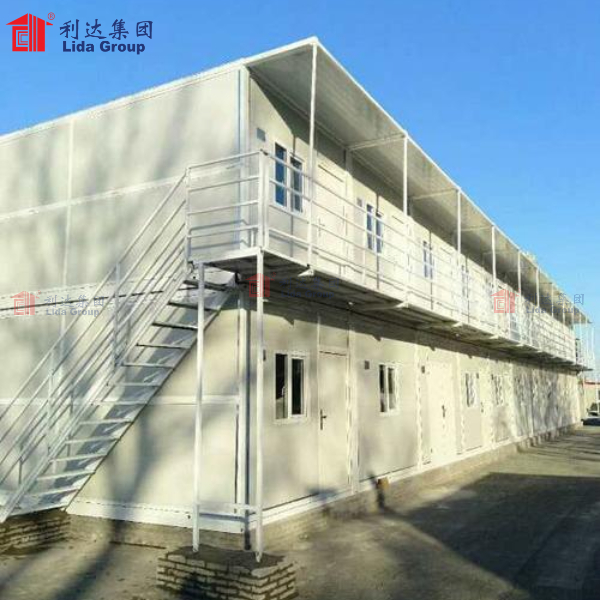
Understanding the Need for Labor Camps
The Role of Labor Camps
Labor camps serve as temporary housing facilities for workers who are deployed away from their homes. These camps provide essential services, including shelter, food, sanitation, and recreational amenities. The quality of these living arrangements significantly affects worker morale, productivity, and overall job satisfaction. Therefore, creating a comfortable and functional living environment is imperative for any employer seeking to maintain a motivated workforce.
Challenges with Traditional Labor Camps
Traditional labor camps often face several key challenges:
- Inflexibility: Many conventional labor camps are constructed as permanent structures, making it challenging to adapt to changing workforce sizes or project demands.
- Poor Living Conditions: Substandard facilities can lead to inadequate living conditions, negatively impacting workers’ health and morale.
- High Construction Costs: Traditional construction methods can be time-consuming and expensive, resulting in delays in providing necessary housing.
- Limited Amenities: Many existing labor camps lack sufficient amenities, which can lead to dissatisfaction among workers.
- Environmental Concerns: Conventional construction methods often generate significant waste and contribute to a larger carbon footprint.
The Rise of Container Homes
What Are Container Homes?
Container homes are prefabricated structures made from repurposed shipping containers. These homes are designed to provide flexible, customizable, and sustainable living spaces. Lida Group has harnessed the potential of container homes to create innovative housing solutions tailored specifically for labor camps.
Advantages of Container Homes
- Modular Design: Container homes are inherently modular, allowing for various configurations to accommodate different workforce sizes and preferences. This flexibility means that labor camps can be easily expanded or reconfigured as needed.
- Rapid Construction: Container homes can be manufactured off-site and quickly assembled on location, significantly reducing construction time. This rapid deployment is crucial for industries operating under tight deadlines.
- Cost-Effectiveness: While the initial investment in container homes may be higher than traditional solutions, the long-term savings associated with reduced maintenance costs and energy efficiency often make them a more financially sound choice.
- Durability and Quality: Shipping containers are built to withstand harsh environmental conditions, ensuring that workers have safe and secure living environments.
- Sustainability: By repurposing shipping containers, companies can reduce waste and promote sustainability. Container homes can also be designed with energy-efficient features, such as insulation, solar panels, and efficient heating and cooling systems, further minimizing their environmental impact.
Lida Group’s Container Home Solutions
Overview of Lida Group
Lida Group is a leading provider of prefabricated housing solutions, specializing in innovative designs that prioritize comfort, functionality, and sustainability. The company’s container home approaches are tailored to meet the unique needs of labor camps, transforming the way workers live and work in temporary accommodations.
Key Features of Lida Group’s Container Homes
- Customizable Layouts: Lida Group’s container homes can be tailored to meet the specific needs of different workforces. This customization includes the configuration of sleeping quarters, communal areas, and amenities.
- Comprehensive Amenities: Each container home can be equipped with essential amenities, including kitchens, bathrooms, and recreational spaces. These facilities enhance the overall living experience for workers, promoting well-being and satisfaction.
- Quality Construction: Lida Group emphasizes the use of high-quality materials and construction techniques in its container homes. This focus on quality ensures that the units are durable and can withstand the rigors of various environments.
- Energy Efficiency: Lida Group’s container homes can be designed with energy-efficient features, such as solar panels, proper insulation, and efficient HVAC systems. These elements contribute to lower energy costs and a reduced carbon footprint.
- Rapid Deployment: The modular nature of container homes allows for quick assembly and disassembly, making them ideal for projects with tight timelines. This rapid deployment capability is essential in industries that require immediate housing solutions.
Enhancing Worker Experience with Container Homes
Creating Comfortable Living Spaces
One of the primary benefits of Lida Group’s container homes is their ability to provide comfortable living spaces. Key features include:
- Private Sleeping Quarters: Container homes can be configured to offer private or shared sleeping arrangements, providing workers with personal space essential for mental well-being.
- Quality Interiors: Modern container homes are designed with high-quality materials and furnishings, creating a welcoming atmosphere that positively impacts workers’ mental health.
- Climate Control: Insulation and ventilation systems can be integrated into container homes, ensuring a comfortable living environment regardless of external weather conditions.
Access to Essential Amenities
Container homes can include essential amenities that enhance the overall experience for workers:
- Kitchens: Many units feature kitchen facilities, allowing workers to prepare their meals. This promotes healthier eating habits and fosters a sense of community as workers can share meals together.
- Sanitary Facilities: Each container home can be equipped with modern bathrooms and sanitation solutions, ensuring cleanliness and hygiene. Access to private or shared bathrooms contributes to the overall comfort of the living environment.
- Recreational Spaces: Container homes can include communal areas for dining, relaxation, and socialization. These shared spaces help alleviate feelings of isolation and promote camaraderie among workers.
Aesthetic and Functional Design
Lida Group emphasizes aesthetic design in its container homes, incorporating natural light, ventilation, and appealing interiors. These design elements create a pleasant living atmosphere that positively impacts workers’ mental health and overall well-being.
Enhancing Worker Welfare
The Importance of Worker Welfare
Worker welfare is a critical consideration for employers, particularly in industries characterized by high turnover rates or demanding working conditions. Comfortable and safe living environments can significantly impact employee satisfaction, productivity, and retention. Lida Group’s container homes contribute to worker welfare in several ways:
- Improved Morale: Comfortable living arrangements lead to higher job satisfaction and lower turnover rates. Workers who feel valued and respected are more likely to remain loyal to their employer.
- Increased Productivity: Workers who are comfortable and content in their living arrangements are more engaged and productive. Quality housing can lead to increased focus and efficiency on the job site.
- Reduced Stress: Providing quality housing can alleviate stress associated with living away from home. A supportive living environment helps workers adapt to the challenges of being in a remote location.
- Community Building: The inclusion of communal areas fosters a sense of community among workers, helping to alleviate feelings of isolation and promote camaraderie. This social support is crucial for mental health and well-being.
Case Studies: Successful Implementation of Lida Group’s Container Homes
1. Mining Operations
In a remote mining operation, a company faced significant challenges in providing adequate housing for its workforce. Traditional construction methods were impractical due to logistical issues and harsh environmental conditions. The company turned to Lida Group for container home solutions.
The implementation included private sleeping quarters, communal kitchens, and recreational areas. The significant improvement in living conditions led to increased worker satisfaction and productivity. Workers reported feeling more secure and comfortable, which translated to better performance on the job.
2. Construction Projects
A large construction firm engaged in a major infrastructure project required immediate housing solutions for its workers. By utilizing Lida Group’s container homes, the firm was able to set up a labor camp within weeks. The customizable options allowed for the integration of kitchens, dining areas, and communal spaces, significantly enhancing living conditions.
Worker satisfaction improved markedly, resulting in higher levels of engagement and productivity on-site. The flexibility of the container homes allowed the firm to adapt to changing workforce sizes throughout the project.
3. Agricultural Labor Camps
In the agricultural sector, a cooperative needed to provide temporary housing for seasonal workers during peak harvest times. Lida Group’s container homes were deployed quickly, allowing the cooperative to establish housing that could be easily expanded or relocated as needed. The positive impact on worker satisfaction was evident, resulting in increased productivity during the critical harvest period.
Sustainability and Environmental Responsibility
Eco-Friendly Practices
The use of container homes in labor camp design aligns with the growing demand for sustainable practices in construction. Companies that utilize Lida Group’s housing solutions can benefit from several eco-friendly practices:
- Use of Recycled Materials: Many components of container homes are made from recycled materials, reducing waste and promoting resource conservation.
- Energy Efficiency: The design of the houses focuses on energy efficiency, incorporating insulation and energy-saving technologies to minimize energy consumption.
- Sustainable Manufacturing: Container homes from Lida Group are produced using sustainable manufacturing practices, ensuring minimal environmental impact during the production process.
Reducing Carbon Footprint
By utilizing repurposed shipping containers, companies significantly reduce the carbon footprint associated with conventional construction methods. The off-site manufacturing process minimizes waste and allows for better control over environmental impacts. Additionally, the modular nature of these homes means that they can be reused or repurposed, further contributing to sustainability efforts.
Addressing Challenges in Container Home Integration
Regulatory Compliance
While Lida Group’s container homes offer numerous advantages, navigating local building codes and regulations can pose challenges. It is essential for companies to work closely with local authorities to ensure that all units meet necessary compliance standards, facilitating a smoother deployment process.
Initial Investment
Although container homes can lead to long-term savings, the initial investment may be a concern for some companies. However, it is crucial to consider the total cost of ownership, including maintenance and energy savings. Often, the long-term benefits far outweigh the initial costs.
Cultural Sensitivity
In regions with diverse cultural backgrounds, it is important to consider the needs and preferences of the workforce when designing housing solutions. Lida Group’s container homes can be adapted to respect local customs and practices, ensuring that living spaces are suitable for all workers.
The Future of Container Homes in Labor Camps
As the demand for efficient and sustainable housing solutions continues to grow, Lida Group’s container homes are expected to play an increasingly important role in the design of labor camps. Innovations in construction technology, materials, and design practices will further enhance the appeal of these units.
Technological Advancements
The integration of smart technology into container homes is an emerging trend. Features such as intelligent climate control, energy management systems, and advanced security measures can improve the living experience for workers while promoting sustainability.
Global Demand
As industries worldwide seek to improve living conditions for transient workers, the global demand for container home solutions is expected to rise. Companies that embrace these innovative housing solutions will not only enhance their operational efficiency but also demonstrate their commitment to worker welfare and sustainability.
Conclusion
Lida Group’s container homes represent a significant advancement in labor camp design, addressing many of the challenges faced by traditional housing solutions. By prioritizing comfort, flexibility, and sustainability, these innovative structures enhance the living conditions for workers, contributing to improved morale, productivity, and overall job satisfaction. As industries continue to evolve, the advantages of container homes will become increasingly evident, paving the way for a future where affordable and comfortable living is accessible to all workers. Embracing Lida Group’s container home solutions is not just a strategic business decision; it is a commitment to enhancing the quality of life for workers and promoting a more sustainable future in labor management. By investing in these innovative solutions, companies can create environments that support their workforce while aligning with global sustainability goals, ultimately shaping a better future for labor camps worldwide.
Contact Us
Post time: Dec-30-2024