
Introduction
In recent years, the demand for temporary and mobile housing solutions has surged, driven by various factors such as increased travel, remote work, natural disasters, and the need for quick-response accommodations. Lida Group, a pioneer in modular construction, has stepped up to meet this demand with its innovative container houses. These structures offer a practical, durable, and flexible solution for modern camps, whether they are used for workers in remote locations, students on field trips, or emergency relief efforts. This article explores the features, benefits, and applications of Lida Group’s container houses, highlighting their role as a smart solution for contemporary camping needs.
Understanding Container Houses
What Are Container Houses?
Container houses are prefabricated structures made from repurposed shipping containers. These containers, typically made of steel, are modified to meet various living, working, or recreational needs. The versatility of container houses allows them to be adapted for different uses, including temporary housing, offices, and recreational spaces.
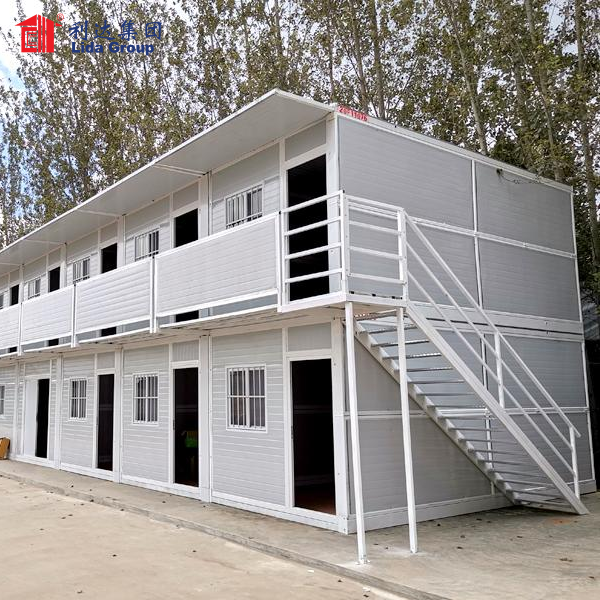
The Rise of Container Housing
The popularity of container houses has grown significantly due to several key factors:
- Affordability: Container houses often represent a more budget-friendly option compared to traditional construction methods.
- Speed of Construction: The modular design allows for quick assembly and deployment, making them ideal for urgent housing needs.
- Sustainability: Using repurposed shipping containers contributes to waste reduction and promotes environmentally friendly building practices.
Features of Lida Group’s Container Houses
1. Modular Design
Lida Group’s container houses are designed with modularity in mind. This means:
- Custom Configurations: The layout can be tailored to meet specific needs, whether it’s for single occupancy, family accommodation, or communal living.
- Expandable Units: Additional containers can be added to expand living space as requirements change, providing flexibility that traditional structures cannot offer.
2. Durability and Safety
Made from robust steel, Lida Group’s container houses are built to withstand harsh environmental conditions:
- Weather Resistance: These houses can endure extreme weather, including strong winds, heavy rain, and snow, ensuring safety for occupants.
- Fire Resistance: The steel structure provides a high level of fire resistance, enhancing overall safety.
3. Energy Efficiency
Lida Group emphasizes energy-efficient designs in their container houses, which include:
- High-Quality Insulation: Proper insulation maintains a comfortable indoor climate and minimizes energy consumption for heating and cooling.
- Sustainable Energy Options: Many units can be equipped with solar panels, allowing occupants to generate their own electricity and reduce reliance on fossil fuels.
4. Quick Assembly and Mobility
One of the standout features of Lida Group’s container houses is their ease of assembly and mobility:
- Rapid Deployment: These units can be quickly assembled on-site, making them ideal for temporary camps that require fast setup.
- Transportability: Container houses can be easily transported to different locations, allowing for adaptability based on changing needs.
5. Modern Amenities
Despite their temporary nature, Lida Group’s container houses come equipped with modern amenities:
- Comfortable Interiors: Well-designed interiors can include kitchens, bathrooms, and living areas, ensuring a comfortable living environment for occupants.
- Connectivity: Many units can be equipped with internet and communication facilities, supporting modern work and leisure activities.
Benefits of Lida Group’s Container Houses for Camps
1. Cost-Effectiveness
Cost efficiency is one of the primary advantages of choosing Lida Group’s container houses:
- Lower Initial Investment: The use of repurposed materials reduces construction costs, making these houses an affordable option for organizations and governments.
- Reduced Operational Costs: Energy-efficient designs lead to lower utility bills, contributing to long-term savings.
2. Flexibility and Adaptability
Lida Group’s container houses are inherently flexible and adaptable, making them suitable for a variety of applications:
- Temporary Housing: Ideal for workers in remote locations, disaster response teams, or students on field trips, these units can meet diverse housing needs.
- Event Hosting: Container houses can serve as temporary accommodations for events such as festivals, sports competitions, or corporate retreats.
3. Sustainable Living
With a focus on sustainability, Lida Group’s container houses contribute to eco-friendly practices:
- Recycling and Upcycling: By repurposing shipping containers, these homes help reduce waste and promote resource conservation.
- Energy Independence: Incorporating renewable energy sources, such as solar panels, allows occupants to live sustainably and reduce their environmental impact.
4. Enhanced Community Building
Container houses can foster a sense of community among occupants:
- Shared Spaces: Configurations can include communal areas, encouraging social interaction and collaboration among residents.
- Supportive Environment: Temporary camps can create a community atmosphere, providing support and camaraderie for individuals in similar situations.
Applications of Lida Group’s Container Houses
1. Remote Work Camps
As industries such as mining, oil, and gas expand into remote areas, Lida Group’s container houses provide essential accommodations for workers:
- Comfortable Living Conditions: These units offer comfortable living spaces that enhance worker satisfaction and well-being.
- Efficient Setup: Quick assembly allows companies to set up camps fast, minimizing downtime and maximizing productivity.
2. Disaster Relief Efforts
Container houses have proven invaluable in disaster relief situations:
- Rapid Response: In the aftermath of natural disasters, these units can be deployed quickly to provide immediate shelter for displaced individuals.
- Temporary Housing Solutions: Container houses can serve as transitional housing, allowing families to regain stability while permanent solutions are developed.
3. Educational and Research Camps
Field studies and educational programs often require temporary housing for participants:
- Flexible Accommodations: Container houses can be arranged to provide adequate living space for students and researchers in various settings.
- Mobile Research Labs: Some units can be equipped as mobile laboratories, supporting scientific research in remote locations.
4. Recreational Use
Container houses can also serve recreational purposes:
- Glamping and Eco-Tourism: Unique and stylish designs attract tourists seeking eco-friendly accommodations in natural settings.
- Event Spaces: These units can be transformed into event venues for weddings, retreats, or corporate gatherings, providing a distinctive experience.
Case Studies: Successful Implementations
1. Disaster Relief in Haiti
After the devastating earthquake in Haiti, Lida Group deployed container houses to provide immediate shelter for displaced families. The rapid assembly of these units allowed for swift response times, offering safe and comfortable living conditions in a time of crisis.
2. Remote Work Camp for Oil Workers
A leading oil company utilized Lida Group’s container houses to create a temporary work camp for employees stationed in a remote area. The flexible design allowed for easy expansion as the workforce increased, and the comfortable amenities improved employee satisfaction and productivity.
3. Educational Field Study
A university partnered with Lida Group to provide temporary housing for students conducting research in a remote rainforest. The container houses offered a comfortable and functional environment, complete with amenities and workspace, enabling students to focus on their studies without compromising on comfort.
Overcoming Challenges in Container House Implementation
1. Regulatory Compliance
Navigating building codes and regulations can be challenging when deploying container houses. Lida Group addresses this by:
- Thorough Research: Conducting extensive research on local regulations ensures compliance and smooth project execution.
- Collaboration with Authorities: Engaging with local governments early in the planning process helps facilitate approvals and permits.
2. Public Perception
Container houses sometimes face skepticism due to misconceptions about their aesthetics and livability. Lida Group works to overcome these challenges by:
- Showcasing Design Innovations: Highlighting successful projects that demonstrate the potential for stylish and functional container homes can shift public perception.
- Community Engagement: Educating stakeholders about the benefits and uses of container houses can foster acceptance and enthusiasm.
3. Environmental Considerations
While container houses are generally more sustainable than traditional homes, there are still environmental concerns to address:
- Material Sourcing: Ensuring that all materials used in construction are sustainably sourced is essential for maximizing the environmental benefits of these homes.
- Waste Management: Implementing practices to manage waste generated during construction and throughout the lifespan of container houses is crucial for sustainability.
The Future of Container Houses in Modern Camps
1. Technological Advancements
As technology continues to evolve, the construction and design of container houses will likely advance:
- Smart Home Features: Integrating smart technologies into container houses can enhance energy management, security, and convenience for occupants.
- Sustainable Materials: Ongoing research into sustainable building materials may lead to even more eco-friendly container house designs.
2. Expanding Market Opportunities
The growing awareness of the benefits of container housing will likely lead to expanded market opportunities across various sectors:
- Urban Development: As cities grapple with housing shortages, container houses may provide an affordable and efficient solution for urban living.
- Remote Work Trends: The rise of remote work may drive demand for portable living solutions, making container houses an attractive option for professionals seeking flexibility.
3. Global Impact
Lida Group’s container houses have the potential to make a significant global impact by addressing pressing issues such as housing shortages, disaster relief, and sustainable living. By promoting the use of innovative container solutions, Lida Group is contributing to a more resilient and adaptable future.
Conclusion
Lida Group’s container houses represent a groundbreaking solution for modern camps, offering efficiency, flexibility, and sustainability. With their cost-effectiveness, rapid deployment, and customizable designs, these structures are well-suited to meet the diverse needs of temporary housing.
As the demand for innovative housing solutions continues to grow, Lida Group is at the forefront of providing smart, adaptable, and eco-friendly container houses. By addressing the challenges of regulatory compliance, public perception, and environmental considerations, Lida Group is paving the way for a new era of modern camps.
In a world where adaptability and sustainability are paramount, container houses stand out as a viable solution for various applications, from disaster relief to remote work accommodations. As we look to the future, the potential for Lida Group’s container houses to transform spaces and improve the quality of life for individuals and communities is immense. Embracing these innovative solutions will be essential for creating resilient and sustainable living environments in the years to come.
Contact Us
Post time: Oct-16-2024