
Introduction
The landscape of work has transformed dramatically in recent years, with remote work becoming a norm rather than the exception. As companies and employees seek flexible, cost-effective solutions, office containers have emerged as an innovative answer to the demands of modern work environments. This article explores the benefits, design considerations, and future potential of office containers as ideal spaces for remote work.
Understanding Office Containers
What Are Office Containers?
Office containers are repurposed shipping containers converted into functional office spaces. These durable, portable structures are designed to meet the needs of modern businesses, offering a unique blend of flexibility, cost-effectiveness, and sustainability.
The Rise of Remote Work
The COVID-19 pandemic accelerated the trend toward remote work, prompting organizations to rethink traditional office spaces. As employees seek work-life balance and companies look to reduce overhead costs, the demand for alternative office solutions has surged. Office containers fit this demand perfectly.
Benefits of Using Office Containers for Remote Work
1. Cost-Effectiveness
One of the most significant advantages of office containers is their affordability compared to traditional office spaces. The cost of renting or purchasing a conventional office can be prohibitively high, especially for startups and small businesses.
Lower Overhead Costs
Office containers typically require less investment upfront and have lower maintenance costs. This cost-effectiveness makes them an attractive option for companies looking to optimize their budgets.
2. Flexibility and Mobility
Office containers are inherently flexible and mobile. They can be easily transported to different locations, making them ideal for businesses that require temporary or on-site offices.
Adaptability to Various Environments
Whether it’s a construction site, a remote location, or a bustling urban area, office containers can be adapted to suit various work environments. Their portability allows businesses to establish a presence wherever needed.
3. Quick Setup and Assembly
Unlike traditional office buildings, which can take months or even years to construct, office containers can be set up in a matter of days. This rapid deployment is crucial for businesses needing immediate office solutions.
Case Study: Construction Industry
In a recent construction project, a company faced delays due to the pandemic. By using office containers, they established a fully functional site office within a week, allowing them to resume operations promptly.
4. Customization Options
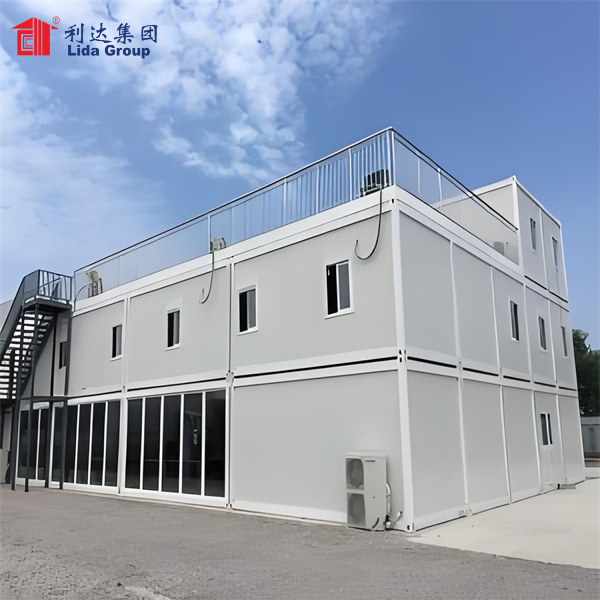
Office containers can be customized to meet specific business needs. From layout and design to amenities and technology, these spaces can be tailored to create an optimal work environment.
Design Possibilities
Businesses can choose from various configurations, such as open-plan offices, meeting rooms, and private workspaces. Custom finishes and branding elements can also be incorporated to reflect company identity.
5. Sustainability
Repurposing shipping containers is an environmentally friendly choice. By giving new life to materials that might otherwise go to waste, office containers contribute to sustainable building practices.
Eco-Friendly Features
Many office containers are designed with sustainable practices in mind, incorporating energy-efficient systems, green roofs, and solar panels. These features not only reduce the environmental footprint but also lower operating costs.
Design Considerations for Office Containers
1. Space Optimization
Given the limited space within a container, effective use of every square foot is crucial. Thoughtful design can create a comfortable and functional work environment.
Multi-Functional Spaces
Incorporating multi-functional furniture, such as foldable desks and convertible meeting areas, can maximize space and enhance usability.
2. Interior Layout
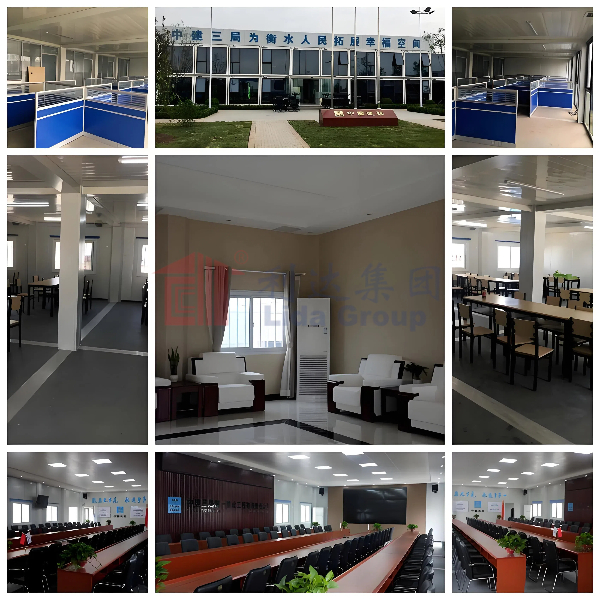
The layout of an office container significantly impacts workflow and employee comfort. Open-plan designs can foster collaboration, while private offices may be necessary for focused work.
Creating Zones
Designing separate zones within the container can cater to different work styles. Areas for collaboration, quiet work, and social interaction should be thoughtfully integrated.
3. Natural Light and Ventilation
Natural light and proper ventilation are essential for creating a pleasant work environment. Strategically placing windows and using skylights can enhance the overall atmosphere.
Enhancing Well-Being
Access to natural light has been shown to improve mood and productivity. Incorporating windows that provide views of the outdoors can further enhance employee well-being.
4. Technology Integration
As remote work relies heavily on technology, ensuring that office containers are equipped with modern amenities is essential. High-speed internet, power outlets, and audio-visual equipment should be prioritized.
Smart Office Solutions
Integrating smart technology can optimize workspace efficiency, allowing for better management of resources and improved communication among remote teams.
Challenges of Office Container Design
1. Building Regulations
Navigating local building codes and regulations can present challenges when setting up office containers. Compliance with zoning laws and safety standards is crucial to avoid potential legal issues.
2. Insulation and Climate Control
Shipping containers can be challenging to insulate, leading to temperature fluctuations. Proper insulation and climate control systems are vital for maintaining a comfortable working environment.
Solutions for Climate Control
Investing in high-quality insulation materials and energy-efficient heating and cooling systems can mitigate these challenges, ensuring year-round comfort.
3. Public Perception
Despite their benefits, office containers may still face skepticism regarding their quality and aesthetics. Addressing misconceptions through successful case studies and marketing can help improve public perception.
The Future of Office Containers
1. Growing Demand for Flexible Workspaces
As remote work continues to be a significant part of the employment landscape, the demand for flexible office solutions like containers is expected to rise. Businesses will increasingly seek adaptable spaces that can accommodate changing needs.
2. Technological Advancements
Advancements in construction technology and materials will enhance the appeal of office containers. Innovations such as modular building techniques and 3D printing may further streamline the design and construction process.
3. Enhanced Sustainability Practices
As sustainability becomes a priority for businesses, the eco-friendly nature of office containers will remain a key selling point. Future designs will likely incorporate even more green technologies and sustainable practices.
Conclusion
Office containers represent a transformative solution for modern remote work challenges. Their cost-effectiveness, flexibility, and sustainability make them an attractive option for businesses seeking innovative office spaces. By merging functionality with thoughtful design, office containers can create productive and aesthetically pleasing environments that cater to the diverse needs of remote workers.
As the future of work continues to evolve, office containers will play an integral role in shaping the way we think about and utilize workspaces. Embracing this trend not only addresses the immediate needs of businesses but also contributes to a more sustainable and adaptable approach to work in the 21st century.
Contact Us
Post time: Sep-03-2024