
In today’s rapidly evolving industrial landscape, the demand for effective housing solutions for workers has become increasingly critical. As industries expand into remote regions, traditional accommodation methods often fall short. Prefabricated homes, or prefab homes, have emerged as a practical and comfortable solution that meets the unique needs of workers. This article explores the benefits, design, construction processes, and future of prefab homes for workers, emphasizing their role in enhancing living conditions and productivity.
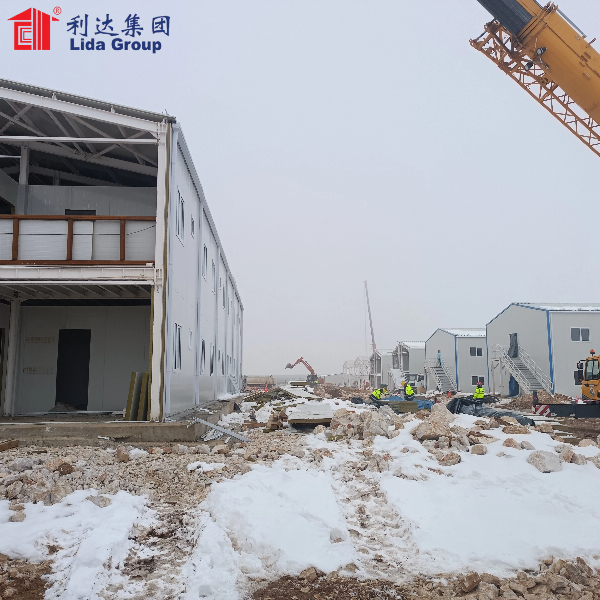
Understanding Prefab Homes
What Are Prefab Homes?
Prefab homes are structures built from components manufactured off-site in a factory setting. These homes are then transported to the construction site, where they are assembled into complete living spaces. Prefabricated homes can be modular, panelized, or manufactured homes, offering flexibility in design and application.
Key Features of Prefab Homes
- Time Efficiency: Prefab homes can be assembled much faster than traditional construction, significantly reducing project timelines.
- Quality Control: Factory production allows for stringent quality assurance, ensuring that components meet high standards before reaching the site.
- Cost-Effectiveness: The streamlined production process often results in lower labor and material costs, making prefab homes a budget-friendly option.
- Sustainability: Many prefab homes are designed with eco-friendly materials and energy-efficient systems, promoting sustainable living practices.
Benefits of Prefab Homes for Workers
1. Enhanced Living Conditions
Creating comfortable living environments is essential for worker satisfaction and productivity. Prefab homes can significantly improve living conditions:
- Modern Amenities: These homes can include kitchens, bathrooms, and communal areas, ensuring that workers have a comfortable place to live and relax.
- Privacy: Individual units can provide private sleeping quarters, allowing workers to unwind after long shifts.
2. Improved Mental and Physical Health
A well-designed living space can have a profound impact on workers’ mental and physical health:
- Stress Reduction: Comfortable living environments can alleviate stress and improve overall mental health.
- Encouraging Healthy Lifestyles: Prefab homes can incorporate spaces for exercise and recreation, promoting physical activity among workers.
3. Increased Productivity
Worker productivity is closely linked to their living conditions:
- Reduced Commute Times: By housing workers on-site, prefab homes minimize travel time, allowing for longer rest periods and greater focus on work tasks.
- Better Work-Life Balance: Comfortable living conditions contribute to a healthier work-life balance, enhancing job satisfaction and reducing turnover rates.
4. Cost Savings
Investing in prefab homes can lead to substantial cost savings for companies:
- Lower Construction Costs: The efficiency of factory production reduces both labor and material costs, making prefab homes a budget-friendly option for worker accommodation.
- Operational Savings: Improved worker satisfaction and reduced travel times can save companies money over time.
The Design and Construction Process
1. Planning and Needs Assessment
The foundation of successful prefab home projects begins with thorough planning:
- Understanding Workforce Needs: Assessing the specific requirements of the workforce, including the number of occupants and desired amenities, is crucial for effective design.
- Site Evaluation: Evaluating the site for accessibility, environmental conditions, and available resources helps inform the design process.
2. Prefabrication
Once the design is finalized, the construction process begins off-site:
- Factory Production: Modular units are constructed in a controlled environment, allowing for precision and quality control. This typically involves assembling walls, roofs, and internal fixtures.
- Quality Assurance: Each unit undergoes rigorous inspections to ensure safety and quality standards are met before being transported to the site.
3. Transportation and Assembly
The next phase involves transporting the components to the construction site:
- Logistics Management: Coordinating transportation logistics is essential to ensure that components arrive on time and in good condition.
- On-Site Assembly: Once on-site, the components can be quickly assembled into the desired configuration, often within a matter of days.
4. Final Touches
After assembly, the final steps include:
- Interior Finishing: Adding furnishings and appliances ensures that the prefab homes are ready for occupancy.
- Site Preparation: Ensuring that the surrounding area is safe and accessible for workers, including landscaping and utility connections.
Sustainability in Prefab Homes
1. Eco-Friendly Materials
Sustainability is a core principle in the design and construction of prefab homes:
- Recycled Materials: Utilizing recycled materials can significantly reduce the environmental impact of construction.
- Sustainable Sourcing: Ensuring that any additional materials used for modifications are sourced responsibly enhances the overall sustainability of the project.
2. Energy Efficiency
Prefab homes can be designed with energy efficiency in mind:
- High-Quality Insulation: Effective insulation helps regulate indoor temperatures, reducing energy consumption for heating and cooling.
- Renewable Energy Solutions: Incorporating solar panels or other renewable energy technologies can minimize reliance on fossil fuels and lower operational costs.
3. Waste Reduction
The prefabricated construction process inherently reduces waste:
- Controlled Environment: Building in a factory setting allows for better management of materials and minimizes waste compared to traditional construction sites.
- Recycling Programs: Implementing recycling initiatives for any waste generated during construction can further reduce environmental impact.
Applications of Prefab Homes
1. Construction Sites
Prefab homes are widely used in the construction industry:
- Temporary Accommodation: They provide immediate housing solutions for workers involved in large-scale construction projects, such as highways, bridges, and buildings.
- On-Site Offices: In addition to living quarters, prefab homes can serve as office spaces for project managers and supervisors.
2. Mining Operations
In remote mining locations, prefab homes offer practical solutions:
- Comfortable Living Quarters: Workers can enjoy comfortable living conditions close to the site, reducing travel time and improving morale.
- Adaptable Spaces: As mining operations expand or shift, prefab homes can be easily relocated or expanded to accommodate changing needs.
3. Oil and Gas Operations
Industries such as oil and gas often require accommodation in remote locations:
- On-Site Housing: Prefab homes provide practical living solutions for workers stationed far from urban centers, allowing them to focus on their jobs without the burden of long commutes.
- Integrated Facilities: These structures can include recreational areas and communal spaces to promote community and well-being among workers.
4. Disaster Relief
Prefab homes are invaluable in disaster relief efforts:
- Rapid Deployment: After natural disasters, prefab homes can be quickly assembled to provide temporary housing for displaced individuals.
- Flexible Solutions: They can be customized to meet the specific needs of affected communities, ensuring that adequate shelter is available.
Case Studies: Successful Prefab Home Projects
Case Study 1: Worker Accommodation for Construction
Challenge: A major construction company needed a labor camp to accommodate workers on a large infrastructure project.
Solution: The company opted for prefab homes designed and constructed by a leading firm, featuring modular living units and communal facilities.
Outcome: The project was completed ahead of schedule, and worker satisfaction significantly improved, leading to increased productivity and reduced turnover rates.
Case Study 2: Mining Camp Development
Challenge: A mining company sought to establish a labor camp in a remote location to support its operations.
Solution: Prefab homes were developed with comfortable accommodations and dining facilities tailored for the needs of mining workers.
Outcome: The camp provided a supportive living environment, leading to increased worker morale and productivity.
Case Study 3: Disaster Relief Housing
Challenge: After a natural disaster, there was an urgent need for temporary housing for displaced individuals.
Solution: Prefab homes were rapidly deployed to provide shelter for affected families, with each unit designed to accommodate basic living needs.
Outcome: The quick deployment of prefab homes helped restore stability for displaced individuals and provided a safe living environment during recovery efforts.
The Future of Prefab Homes for Workers
Trends Shaping the Industry
The future of prefab homes will be influenced by several key trends:
1. Increased Demand for Sustainable Practices
As environmental awareness grows, industries are under pressure to adopt sustainable practices:
- Eco-Friendly Products: Companies prioritizing sustainability will appeal to a growing market of environmentally conscious consumers.
- Regulatory Changes: Governments may implement stricter regulations on environmental impact, driving the need for sustainable prefab housing solutions.
2. Technological Advancements
Advancements in technology will enhance the efficiency of prefab homes:
- Smart Home Technologies: Integrating IoT devices can optimize energy usage, improve security, and enhance occupant comfort.
- Automation: The integration of automation in production processes can improve efficiency and reduce labor costs.
3. Customization and Modularity
The demand for customizable and modular designs will continue to grow:
- Flexible Accommodation Solutions: Businesses will increasingly require prefab homes that can be easily adapted to changing operational needs.
- Rapid Deployment: Prefabricated solutions will allow for quick construction and minimal disruption, catering to the fast-paced demands of modern industries.
Commitment to Innovation
Leading firms in the prefab housing market remain dedicated to innovation:
- Research and Development: Continuous investment in R&D ensures that companies stay at the forefront of technological advancements in prefab construction.
- Client Collaboration: By working closely with clients, firms can develop tailored solutions that meet specific operational requirements and sustainability goals.
Conclusion
Prefab homes for workers represent a significant advancement in providing efficient and comfortable living solutions. Their focus on practicality, cost-effectiveness, and sustainability makes them an ideal choice for various industries, from construction to mining and disaster relief.
As the demand for temporary and semi-permanent worker accommodation continues to grow, prefab homes will play a crucial role in enhancing worker satisfaction and productivity. The future of prefab housing is promising, with the potential for innovation and improvement in living conditions for on-site workers.
In an era where flexibility and environmental responsibility are paramount, prefab homes provide an innovative solution to the challenges of worker accommodation. Through strategic investments and a commitment to excellence, the prefab housing sector is poised to enhance operational capabilities for its clients and contribute positively to the evolution of the construction industry. The journey toward a more efficient and sustainable future in worker accommodation is just beginning, and the potential for innovation is limitless.
Contact Us
Post time: May-26-2025