
Introduction:
When it comes to creating comfortable and efficient living spaces in prefab house labor camps, heat and sound insulation are critical factors to consider. High-quality insulation solutions ensure optimal thermal performance, noise reduction, and overall comfort for the occupants. This article delves into the importance of quality heat and sound insulation in prefab house labor camps, exploring the benefits, materials, and applications that contribute to creating a conducive living environment.
- Significance of Heat and Sound Insulation in Prefab House Labor Camps:
a. Comfort and Well-being: Adequate heat and sound insulation are essential for creating comfortable living spaces. Insulation helps maintain a stable indoor temperature, minimizing heat transfer and reducing energy consumption. Additionally, effective sound insulation reduces noise levels, promoting a peaceful and conducive environment for rest and relaxation.
b. Energy Efficiency: Proper insulation in prefab house labor camps significantly improves energy efficiency. Insulated buildings require less energy for heating and cooling, resulting in reduced energy costs and a smaller carbon footprint.
- Benefits of Quality Heat and Sound Insulation:
a. Thermal Comfort: High-quality insulation materials effectively regulate heat transfer, keeping the interior temperature stable. This ensures a comfortable environment throughout the year, regardless of external weather conditions.
b. Energy Savings: Good heat insulation reduces the need for excessive heating or cooling, resulting in significant energy savings. This not only benefits the occupants but also contributes to sustainability and reduced environmental impact.
c. Noise Reduction: Quality sound insulation minimizes the transmission of external noise, creating a peaceful and productive living environment. This is particularly important in labor camps where occupants require rest and concentration.
d. Condensation Prevention: Insulation helps prevent condensation by maintaining a consistent temperature within the building envelope. This prevents moisture build-up, which can lead to mold growth and structural damage.
e. Long-Term Cost Savings: Investing in quality heat and sound insulation pays off in the long run. Reduced energy consumption and maintenance costs result in substantial savings over the life cycle of the prefab house labor camp.
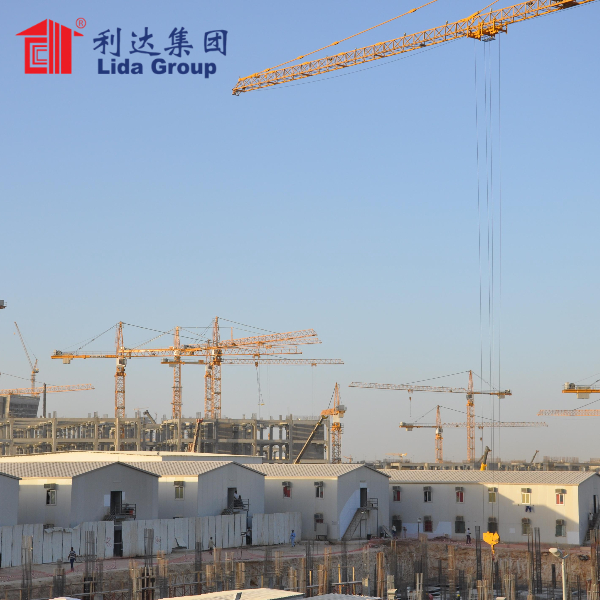
- Materials for Effective Heat and Sound Insulation:
a. Thermal Insulation Materials: Common thermal insulation materials include fiberglass, mineral wool, rigid foam boards (such as expanded polystyrene or polyurethane), and reflective foils. These materials have excellent thermal resistance properties, preventing heat transfer through conduction, convection, and radiation.
b. Sound Insulation Materials: Sound insulation materials include dense materials like mass-loaded vinyl, acoustic panels made of fiberglass or mineral wool, and resilient channels that decouple walls from the structure. These materials absorb and dampen sound waves, reducing noise transmission between rooms and from external sources.
- Applications of Quality Heat and Sound Insulation in Prefab House Labor Camps:
a. Living Quarters: Installing quality heat and sound insulation in the living quarters of prefab house labor camps enhances the comfort and well-being of the occupants. It ensures a peaceful environment for relaxation, better sleep quality, and improved productivity.
b. Common Areas: Heat and sound insulation in common areas, such as dining halls, recreation rooms, and meeting areas, creates a more pleasant atmosphere for socializing, communication, and leisure activities.
c. Administrative and Office Spaces: Effective insulation in administrative and office spaces reduces distractions, promoting a focused and productive work environment.
d. Utility and Service Areas: Heat and sound insulation is also essential in utility and service areas, such as kitchens, laundry rooms, and mechanical rooms. Insulation helps maintain comfortable temperatures, reduces noise from equipment, and enhances safety and efficiency.
- Success Stories and Case Studies:
a. Prefab House Labor Camp in Extreme Climates: A prefab house labor camp located in an extreme climate zone successfully used high-quality heat insulation to maintain comfortable indoor temperatures year-round. This resulted in improved worker morale, increased productivity, and reduced energy costs.
b. Noise Reduction in Large-Scale Labor Camps: A large-scale prefab house labor camp implemented effective sound insulation measures, creating quieter living and working spaces. This led to improved concentration, better communication, and enhanced overall well-being for the occupants.
Conclusion:
Quality heat and sound insulation play a crucial role in creating comfortable, energy-efficient, and peaceful living environments in prefab house labor camps. The benefits of effective insulation, such as thermal comfort, energy savings, noise reduction, condensation prevention, and long-term cost savings, are invaluable to the well-being and productivity of the occupants. By utilizing appropriate insulation materials and techniques in living quarters, common areas, administrative spaces, and utility areas, prefab house labor camp operators can provide optimal conditions for the workforce. Investing in quality heat and sound insulation demonstrates a commitment to creating a conducive and sustainable living environment, ensuring the success of prefab house labor camps in various industries and projects.
Contact Us
Post time: Jul-22-2024