
The global construction industry stands at a pivotal crossroads of industrial modernization and ecological transformation. For more than a century, concrete and masonry structures have dominated urban and industrial development, serving as the default construction method for factories, warehouses, commercial complexes, and public infrastructure. However, traditional building systems are increasingly struggling to adapt to modern development demands, including rapid urban expansion, industrial iterative upgrading, stringent carbon neutrality policies, and extreme climate challenges. Long construction cycles, rigid structural limitations, high resource consumption, poor seismic performance, and short service lifespans have become unavoidable pain points for conventional construction models. In response to these industry bot
tlenecks, steel structure construction has ushered in a powerful global resurgence, redefining the core framework of modern industrial and civil architecture. As the essential industrial backbone of the modern construction sector, steel structures integrate exceptional mechanical performance, flexible design adaptability, efficient prefabricated production, and outstanding environmental sustainability, gradually replacing traditional building systems and becoming the mainstream solution for global high-quality construction. This article comprehensively explores the root causes of steel structure resurgence, its core technical and structural advantages, diversified application scenarios, sustainable development value, existing industrial innovations, and future development trends, systematically demonstrating why steel structures are reshaping the new landscape of the global construction industry.
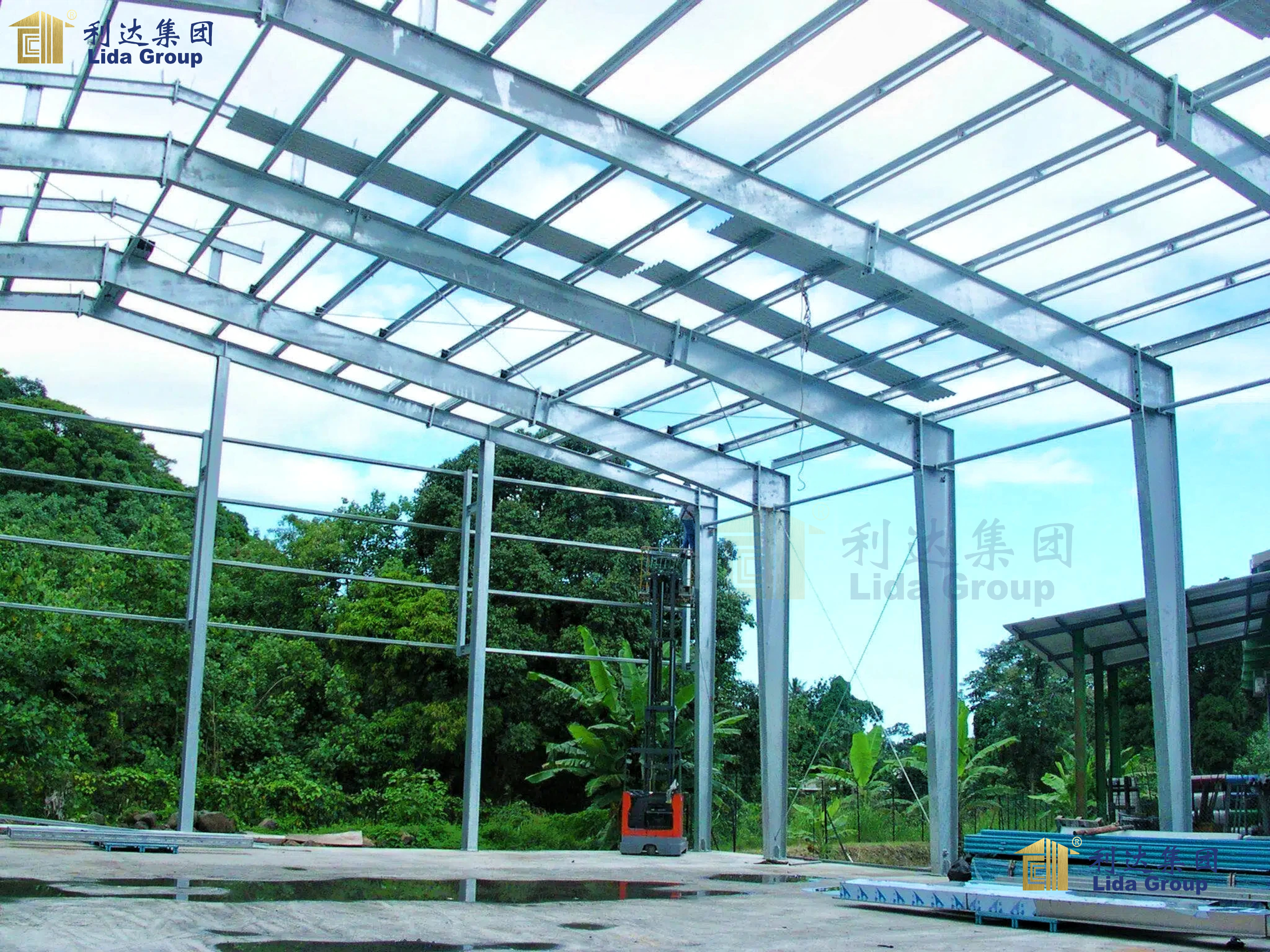
1. The Decline of Traditional Construction and the Rise of Steel Structure Demand
To understand the resurgence of steel structures, it is essential to analyze the inherent defects of traditional concrete and masonry construction systems that have led to industrial transformation. Traditional building methods rely on on-site wet operations, including concrete pouring, brick laying, and mortar plastering, which are heavily affected by weather, seasons, and manual construction levels. A large-scale industrial plant or warehouse often requires six months to two years of continuous construction, resulting in long investment cycles and slow capital recovery for enterprises. In addition, traditional concrete structures have fixed structural forms, poor space flexibility, and dense internal load-bearing columns, which cannot meet the spatial expansion and functional iteration needs of modern intelligent factories and logistics warehouses.
Environmentally and economically, traditional construction models face prominent drawbacks. Concrete production consumes massive amounts of sand, stone, and cement resources, triggering excessive exploitation of natural minerals. The curing process of cement produces huge carbon emissions, accounting for nearly 8% of global industrial carbon output annually. Meanwhile, traditional buildings generate a large amount of construction waste, dust pollution, and construction sewage during the construction and demolition stages, which seriously damages the ecological environment. In terms of structural durability and safety, concrete structures are prone to cracking, peeling, steel bar corrosion, and structural aging under long-term natural erosion, seismic impact, and temperature changes, requiring frequent maintenance and renovation, which greatly increases the full-lifecycle operating costs of buildings.
Against this backdrop, the global construction industry has an urgent demand for innovative building systems that are efficient, durable, flexible, and low-carbon. Steel structure buildings perfectly fit the transformation needs of the modern construction industry. With industrialized prefabricated production, modular assembly construction, high structural stability, and recyclable materials, steel structures effectively make up for all the defects of traditional construction. In recent years, driven by global industrial upgrading, infrastructure renewal, and carbon neutrality strategies, the market demand for steel structure buildings has exploded, achieving a comprehensive resurgence from niche application to mainstream industrial backbone.
2. Core Advantages Driving the Global Resurgence of Steel Structures
The rapid rise of steel structure construction is not a temporary market trend, but an inevitable result of its comprehensive advantages in structure, efficiency, economy, and environmental protection. Compared with traditional building systems, steel structures have irreplaceable core competitiveness, which fundamentally solves the pain points of modern construction and lays a solid foundation for their large-scale popularization.
2.1 Superior Structural Performance and Extreme Durability
Steel is recognized as one of the most reliable building materials in modern engineering. With uniform material texture, stable mechanical properties, high tensile strength, and strong compression resistance, steel structures have far better load-bearing performance and structural toughness than concrete structures. High-quality structural steel can withstand long-term heavy load, mechanical vibration, and extreme natural impact, with excellent seismic resistance, wind resistance, and snow pressure resistance. Different from brittle concrete structures that are easy to collapse suddenly in disasters, steel structures have good ductility, which can absorb and disperse impact energy during earthquakes and strong winds, greatly improving building safety and disaster resistance.
Through standardized anti-corrosion, rust removal, and coating processes, the service life of steel structure buildings can reach 50 to 80 years, far exceeding the 30-year average service life of traditional concrete industrial buildings. Modern optimized steel frame structures adopt flexible truss design and scientific force transmission paths, which can adapt to extreme environments such as high temperature, severe cold, coastal salt fog, and inland sandstorms. The structural stability will not be affected by seasonal changes and long-term natural erosion, realizing long-term durable operation of buildings.
2.2 Efficient Industrialized Construction and Short Project Cycle
Steel structure construction completely subverts the backward on-site wet operation mode of traditional construction and realizes industrialized, standardized, and prefabricated construction. All steel frames, wall panels, roof panels, and auxiliary components are precisely processed and manufactured in intelligent factories in advance, with unified specifications and accurate sizes. On the construction site, workers only need to carry out bolt assembly and simple debugging, eliminating time-consuming processes such as concrete pouring, curing, and bricklaying.
This revolutionary construction mode greatly shortens the project cycle. The construction efficiency of steel structure buildings is 40% to 60% higher than that of traditional buildings. A standard large-scale industrial warehouse or factory building can be completed and put into use within two months, while a multi-story steel structure office or residential building can be completed in half the time of a concrete building. The shortened construction cycle enables enterprises to complete project investment and production operation in advance, accelerate capital turnover, and create greater economic benefits, which is extremely critical for rapidly developing industrial and commercial projects.
2.3 Flexible Spatial Design and Strong Scenario Adaptability
Modern industrial construction and urban architectural design put forward higher requirements for spatial flexibility and functional scalability. Traditional concrete buildings have fixed structural layouts and poor plasticity, making it difficult to adjust internal space and expand building scale after completion. Steel structures break the limitations of traditional structural design and realize large-span, column-free open space through optimized truss and frame systems. The maximum single span of industrial steel buildings can reach more than 60 meters, providing a completely barrier-free internal space.
This flexible space design is highly compatible with modern intelligent manufacturing, automated logistics storage, large-scale equipment layout, and multi-functional regional planning. Enterprises can freely partition, combine, and adjust the internal space according to production upgrades and business expansion needs. In addition, steel structure buildings support multi-layer superposition and lateral expansion, realizing incremental construction of projects, avoiding resource waste caused by overall reconstruction, and greatly improving the scalability and service value of buildings. Whether it is large industrial parks, urban commercial complexes, or modular residential communities, steel structures can achieve personalized customized design to meet diverse scenario needs.
2.4 Outstanding Sustainable and Low-Carbon Environmental Value
Environmental sustainability is the core driving force for the rapid popularization of steel structures in the context of global carbon neutrality. Unlike concrete and brick building materials that cannot be recycled, steel is a 100% recyclable green building material. After the end of the building service life, all steel components can be disassembled, recycled, and remanufactured without construction waste residue, realizing zero-pollution exit of buildings. The reuse of recycled steel can reduce 67% of carbon emissions compared with virgin steel production, which greatly reduces the embodied carbon of buildings.
In the construction stage, steel structure prefabricated assembly produces almost no dust pollution, construction sewage, and solid waste, reducing construction waste by more than 90% compared with traditional construction. In the daily operation stage, steel structure buildings are equipped with efficient thermal insulation and energy-saving systems, which can effectively isolate indoor and outdoor heat exchange, reduce the energy consumption of air conditioning and heating, and realize long-term energy conservation and emission reduction. As a typical green building system, steel structures fully comply with LEED, BREEAM, and international carbon emission reduction standards, becoming the preferred building form for global ecological construction and low-carbon industrial development.
2.5 Superior Full-Lifecycle Economic Benefits
Many people mistakenly believe that the initial investment of steel structure buildings is higher than that of traditional buildings, but from the perspective of full-lifecycle economic benefits, steel structures have obvious cost advantages. Although the unit material cost of high-quality steel is slightly higher, the industrialized batch production and efficient assembly construction greatly reduce labor costs, mechanical costs, and time costs. The overall construction cost of steel structure projects is basically flat with traditional buildings, and even lower in large-scale projects.
In the later operation stage, steel structure buildings have extremely low maintenance costs. The anti-corrosion and weather-resistant steel frame will not crack, peel, or age for a long time, avoiding frequent maintenance and renovation costs of concrete buildings. Meanwhile, the reusable steel components can be disassembled and transferred for secondary use when the project is relocated or upgraded, completely avoiding the demolition cost and resource waste of traditional buildings. Calculated over a 50-year service cycle, the comprehensive cost of steel structure buildings is 20% to 35% lower than that of traditional concrete buildings, with extremely high cost performance and long-term economic value.
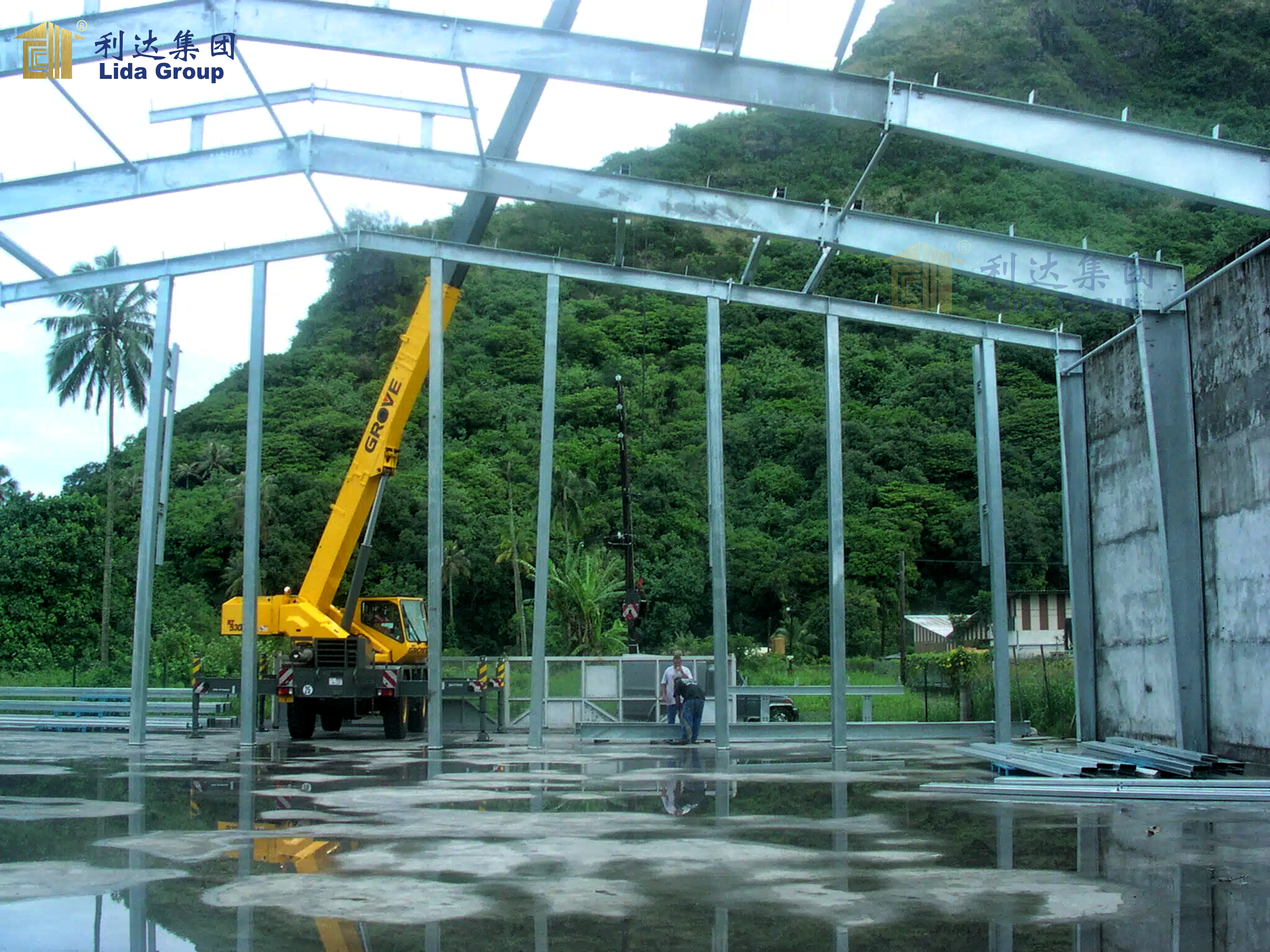
3. Diversified Application Scenarios of Modern Steel Structure Buildings
With the continuous maturity of steel structure technology and the improvement of industry standards, steel structures have expanded from single industrial warehouse application to full-scenario coverage of industrial, commercial, civil, and public infrastructure fields, becoming the indispensable backbone of modern urban and industrial construction.
3.1 Industrial Manufacturing and Logistics Warehousing
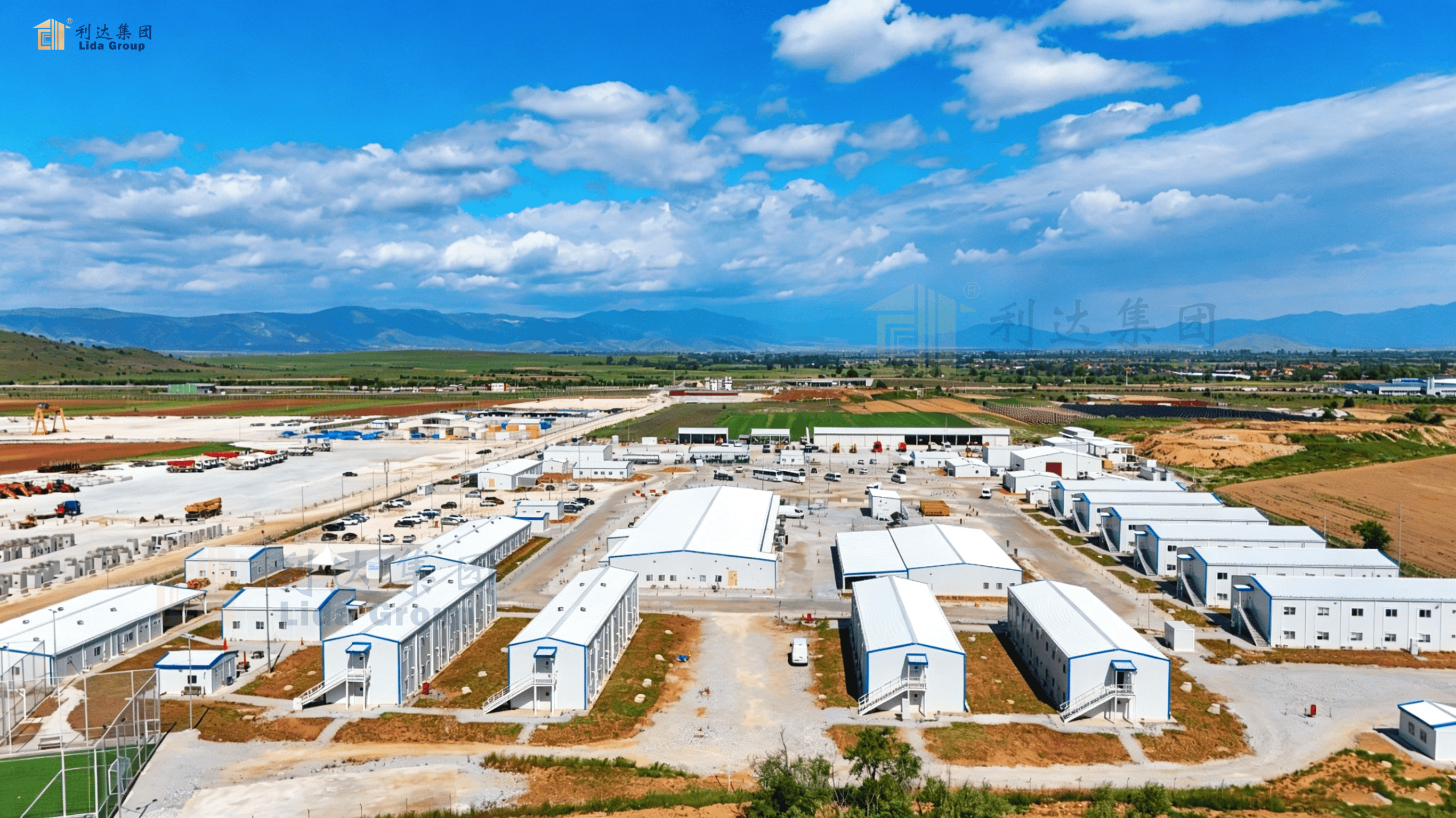
Industrial factories and logistics warehouses are the most mature and core application scenarios of steel structures. Modern manufacturing enterprises need large-span, high-space, high-load, and scalable factory buildings to adapt to automated production lines and large-scale mechanical equipment. Steel structure factories have the advantages of large open space, strong structural stability, and fast construction speed, which can fully meet the production needs of machinery manufacturing, electronic processing, new energy, and chemical industries. For the logistics and warehousing industry, steel structure warehouses support high-rise shelf layout and intelligent storage system deployment, with high space utilization and low operation energy consumption, becoming the standard configuration of modern intelligent logistics parks.
3.2 Urban Commercial and Public Architecture
In urban construction, steel structures are widely used in super high-rise buildings, large-span exhibition halls, stadiums, shopping malls, and office buildings. The lightweight and high-strength characteristics of steel structures can reduce the self-weight of super high-rise buildings, reduce foundation bearing pressure, and improve building safety and stability. For large public buildings that require ultra-large open space such as stadiums and exhibition centers, steel truss structures can realize ultra-long-span suspension design, creating spacious and beautiful architectural space, while meeting the high-standard fire protection, seismic resistance, and crowd safety requirements of public buildings.
3.3 Modular Residential and Ecological Housing
In recent years, lightweight steel structure residential buildings have developed rapidly and become an important direction of modern green housing. Steel structure houses have the characteristics of safety, comfort, energy saving, and environmental protection, with good seismic and wind resistance performance, and can effectively resist natural disasters. Through modular design and personalized decoration, steel structure residences can meet the aesthetic and functional needs of modern families. At the same time, the fast assembly and reusable characteristics make steel structure houses widely used in rural revitalization construction, scenic ecological homestays, temporary engineering housing, and emergency disaster relief housing, realizing the organic integration of ecological environmental protection and living comfort.
3.4 Special Infrastructure and Emergency Engineering
Steel structures also play an irreplaceable role in special scenarios such as bridge engineering, transportation hubs, military facilities, and emergency rescue projects. The strong structural adaptability enables steel structures to construct stably in complex terrain such as mountains, rivers, and coastal areas. The rapid assembly capability can quickly complete the construction of emergency shelters, temporary hospitals, and disaster relief facilities, providing strong infrastructure support for public emergency security.
4. Technological Innovation Accelerates the Iterative Upgrade of Steel Structures
The resurgence of steel structures is inseparable from the continuous innovation of modern construction technology and manufacturing technology. With the integration of digitalization, intelligence, and new material technology, traditional steel structure construction has completed intelligent iteration, further enhancing product performance and industrial value.
First, the popularization of BIM digital design technology realizes the whole-process precision design of steel structures. Through 3D modeling, finite element stress simulation, and digital twin technology, designers can accurately optimize the structural force, component size, and construction scheme, eliminate potential safety hazards in advance, and improve the scientificity and accuracy of structural design. Second, intelligent factory production replaces traditional manual processing. Automated cutting, robotic welding, and CNC precision processing equipment greatly improve the processing accuracy and production efficiency of steel components, ensuring the consistency and high quality of building components.
In addition, the innovation of new steel materials and composite processes further enhances the performance of steel structures. Weathering steel, high-strength low-alloy steel, and fire-resistant steel have stronger corrosion resistance, weather resistance, and fire resistance, adapting to more extreme construction environments. The composite application of steel structure and new thermal insulation, waterproof, and sound insulation materials solves the shortcomings of single steel structure’s poor thermal insulation and sound insulation, improving the comprehensive comfort and practicability of steel buildings. The continuous technological innovation makes steel structures more perfect in performance, more diverse in functions, and more extensive in adaptation scenarios.
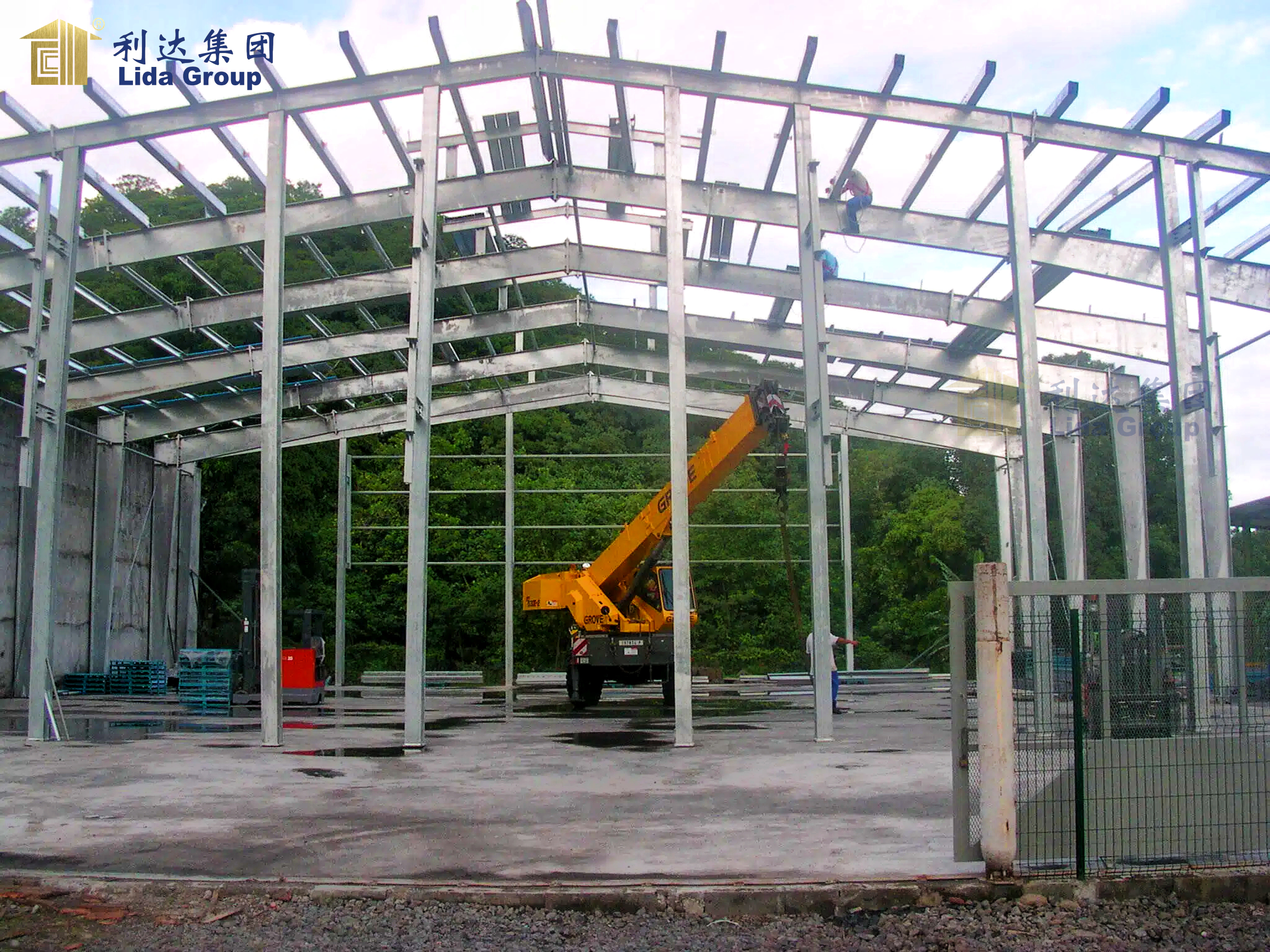
5. Challenges and Sustainable Development Strategies of Steel Structure Industry
While achieving rapid development, the steel structure construction industry also faces some challenges. First, the initial technical threshold and manufacturing standard of steel structures are higher than traditional buildings, and the professional construction team resources in some regions are insufficient. Second, the market’s awareness of steel structure residential buildings is insufficient, and the popularization speed in civilian housing fields needs to be further improved. Third, the fluctuation of steel raw material prices has a certain impact on project cost control.
To solve these industrial challenges, the global steel structure industry is actively promoting standardized construction, industrial scale development, and technological popularization. Governments and industry associations have continuously improved steel structure building standards and specification systems to standardize design, production, and construction processes. Leading enterprises continue to increase R&D investment, reduce production costs through large-scale batch production and technological optimization, and improve the cost performance of steel structure products. At the same time, the industry is strengthening market publicity and technical promotion, guiding the market to recognize the full-lifecycle value and green advantages of steel structures, and accelerating the popularization of steel structures in civilian and public construction fields.
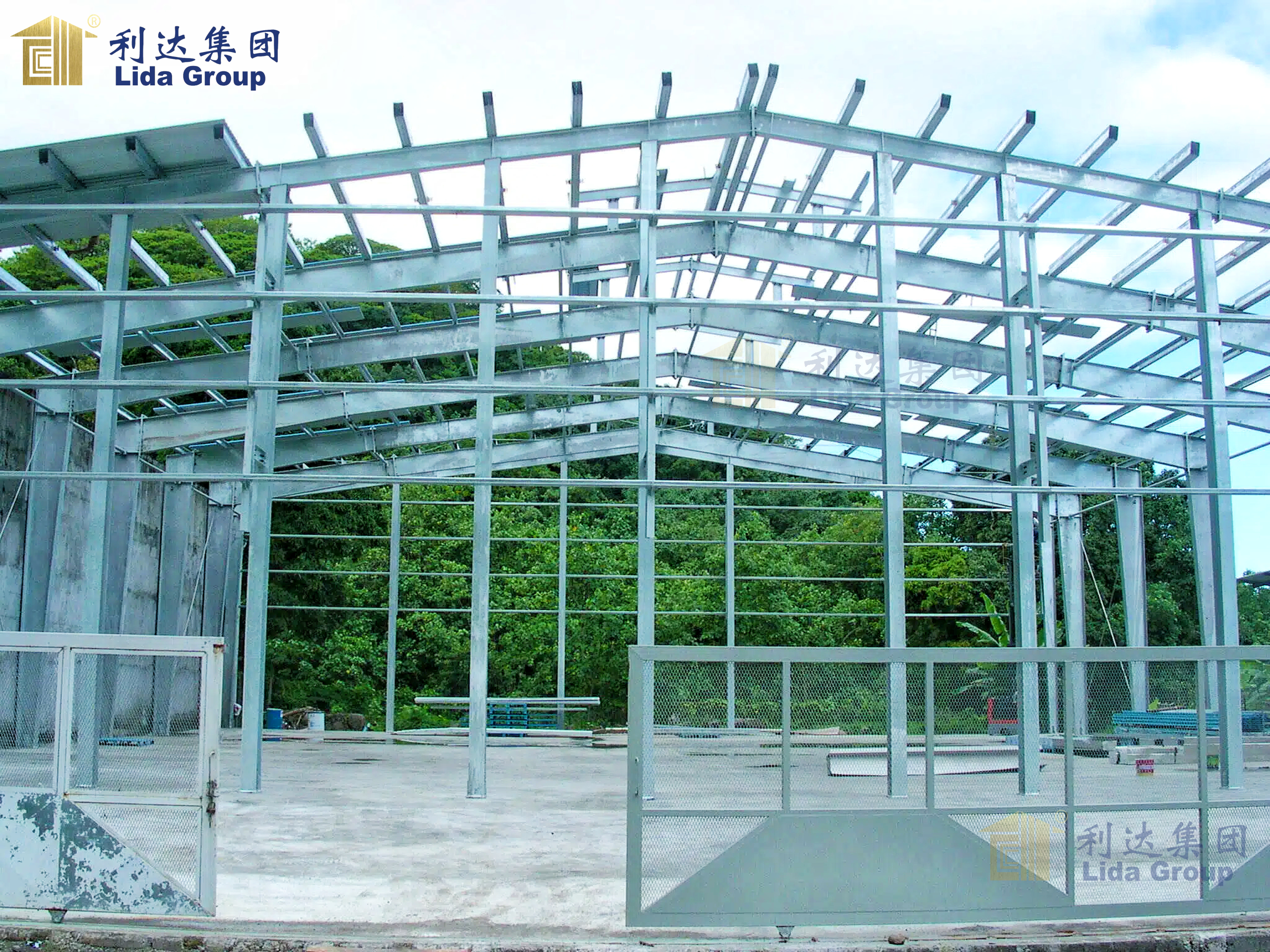
6. Conclusion
In conclusion, the resurgence of steel structures is an inevitable trend of the modern construction industry’s transformation from traditional high-consumption and high-pollution development to efficient, green, and sustainable development. With superior structural durability, efficient industrial construction mode, flexible spatial adaptability, outstanding low-carbon environmental value, and economical full-lifecycle benefits, steel structures have successfully broken the monopoly of traditional concrete and masonry buildings and become the core industrial backbone supporting modern industrial construction, urban renewal, and ecological development.
Driven by digital technological innovation, new material iteration, and global green development policies, steel structure buildings have achieved full-scenario coverage from industrial warehousing and commercial architecture to civilian residences and public infrastructure, showing strong market vitality and industrial development potential. ough the steel structure industry still faces minor challenges such as standard popularization and market cognition improvement, with the continuous optimization of industrial systems and technological progress, these problems will be gradually solved.
In the future, steel structure construction will further develop towards intelligence, modularization, greenization, and high standardization. As the most reliable and sustainable building system in the modern era, steel structures will continue to reshape the development pattern of the global construction industry, provide solid infrastructure support for global industrial upgrading and urban low-carbon transformation, and become the eternal core backbone of modern construction engineering.
Post time: Jul-16-2026