
In today’s rapidly evolving industrial landscape, the need for sustainable and efficient housing solutions for workers has become increasingly important. As industries expand into remote areas, traditional accommodation methods often fail to provide adequate living conditions. Container houses have emerged as a practical and sustainable solution, offering a unique approach to worker housing that prioritizes environmental responsibility and efficiency. This article explores the concept of container houses, their benefits for sustainable living, design considerations, and their impact on worker satisfaction and productivity.
Understanding Container Houses
What Are Container Houses?
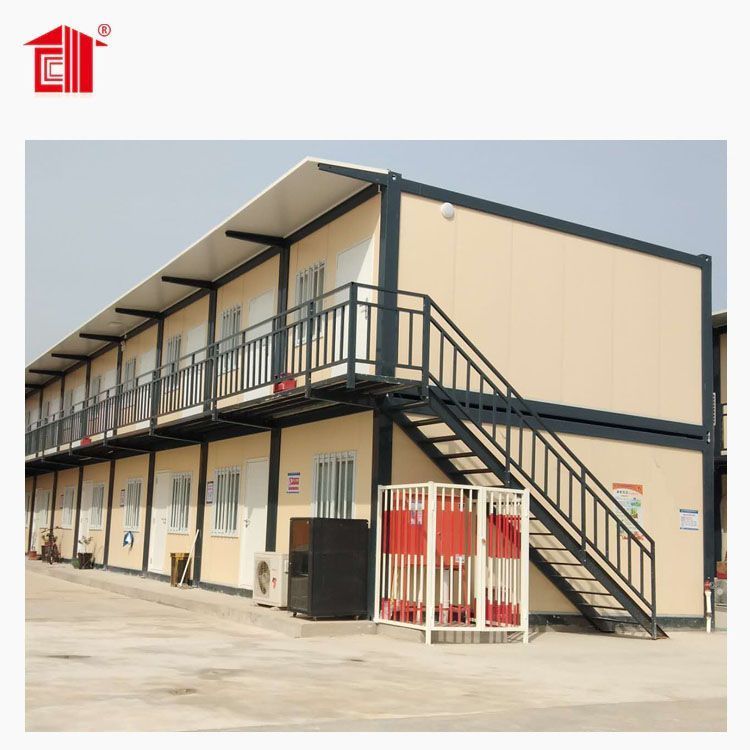
Container houses are structures made from repurposed shipping containers that have been converted into livable spaces. Originally designed for transporting goods across oceans, these containers offer a durable and versatile framework that can be transformed into various types of housing. The use of shipping containers for worker accommodation has gained popularity due to their affordability, sustainability, and rapid construction capabilities.
Key Features of Container Houses
- Durability: Shipping containers are built to withstand harsh weather conditions and heavy loads, making them ideal for use in remote locations.
- Modular Design: Container houses can be easily configured into different layouts and sizes, allowing for customization based on the specific needs of the workforce.
- Cost-Effectiveness: Utilizing existing materials significantly reduces construction costs compared to traditional building methods.
- Sustainability: Repurposing shipping containers minimizes waste and promotes environmentally friendly building practices.
Benefits of Sustainable Living in Container Houses
1. Environmental Impact
One of the most significant advantages of container houses is their positive impact on the environment:
- Reduced Waste: By repurposing shipping containers, the construction process reduces waste associated with traditional building materials.
- Lower Carbon Footprint: Utilizing existing materials decreases the need for new resource extraction, leading to a lower carbon footprint.
2. Energy Efficiency
Container houses can be designed with energy efficiency in mind, contributing to sustainable living:
- High-Quality Insulation: Effective insulation helps regulate indoor temperatures, reducing energy consumption for heating and cooling.
- Renewable Energy Solutions: Incorporating solar panels or wind turbines can minimize reliance on fossil fuels and lower operational costs.
3. Cost Savings
Investing in container houses can lead to substantial cost savings for companies:
- Lower Construction Costs: The efficiency of using repurposed materials and streamlined construction processes reduces labor and material costs.
- Operational Savings: With improved energy efficiency and lower maintenance costs, container houses can save companies money over time.
4. Quick Deployment
Container houses can be rapidly deployed, which is crucial for industries requiring immediate housing solutions:
- Fast Construction: The modular nature of container houses allows for quick assembly, often within a few days, reducing downtime for projects.
- Mobility: Container houses can be easily transported and relocated to different sites as needed, providing flexibility for companies.
Design Considerations for Container Houses
1. Space Optimization
Efficient use of space is essential in container houses, especially when accommodating multiple workers:
- Open Floor Plans: Designing open layouts maximizes usable space and creates a sense of community among workers.
- Multi-Functional Areas: Incorporating multi-functional furniture can help optimize space while providing necessary amenities.
2. Comfort and Aesthetics
Creating a comfortable living environment is vital for worker satisfaction:
- Natural Light: Incorporating large windows and skylights can enhance natural light, making the space feel more inviting.
- Interior Design: Thoughtful interior design can improve aesthetics, making container houses more appealing to occupants.
3. Safety and Security
Safety is a top priority in any living environment:
- Structural Integrity: Ensuring that container houses are structurally sound and compliant with building codes is essential for occupant safety.
- Security Features: Incorporating secure locking systems and surveillance measures can enhance the safety of workers living in container houses.
4. Community Spaces
Fostering a sense of community among workers can enhance their overall well-being:
- Common Areas: Designing shared spaces, such as kitchens, dining areas, and recreational zones, encourages social interaction and camaraderie.
- Green Spaces: Incorporating outdoor areas with landscaping can provide workers with a space to relax and unwind.
Case Studies: Successful Container House Projects
Case Study 1: Construction Worker Housing
Challenge: A construction company needed temporary housing for workers on a large infrastructure project in a remote location.
Solution: The company opted for container houses designed and constructed by a leading firm, featuring modular living units and communal facilities.
Outcome: The container houses improved worker satisfaction and productivity, leading to a notable reduction in turnover rates and project delays.
Case Study 2: Mining Camp Development
Challenge: A mining company sought to establish a labor camp in a remote area to support its operations.
Solution: Container houses were developed with comfortable accommodations and dining facilities tailored for the needs of mining workers.
Outcome: The camp provided a supportive living environment, leading to increased worker morale and productivity.
Case Study 3: Disaster Relief Housing
Challenge: After a natural disaster, there was an urgent need for temporary housing for displaced individuals.
Solution: Container houses were rapidly deployed to provide shelter for affected families, with each unit designed to accommodate basic living needs.
Outcome: The quick deployment of container houses helped restore stability for displaced individuals and provided a safe living environment during recovery efforts.
The Future of Container Houses for Workers
Trends Shaping the Industry
The future of container houses will be influenced by several key trends:
1. Increased Demand for Sustainable Practices
As environmental awareness grows, industries are under pressure to adopt sustainable practices:
- Green Building Standards: Companies are increasingly seeking solutions that meet green building certifications, driving the demand for sustainable container housing.
- Corporate Social Responsibility: Organizations prioritizing sustainability will appeal to environmentally conscious consumers and investors.
2. Technological Advancements
Advancements in technology will enhance the efficiency of container houses:
- Smart Home Technologies: Integrating IoT devices can optimize energy usage, improve security, and enhance occupant comfort.
- Prefabrication Techniques: Innovations in prefabrication methods will continue to streamline the construction process, reducing costs and timelines.
3. Customization and Modularity
The demand for customizable and modular designs will continue to grow:
- Flexible Accommodation Solutions: Businesses will increasingly require container houses that can be easily adapted to changing operational needs.
- Rapid Deployment: Prefabricated solutions will allow for quick construction and minimal disruption, catering to the fast-paced demands of modern industries.
Lida Group’s Commitment to Innovation
Lida Group remains dedicated to leading the charge in container house design:
- Research and Development: Continuous investment in R&D ensures that Lida Group remains at the forefront of technological advancements in container house construction.
- Client Collaboration: By working closely with clients, Lida Group can develop tailored solutions that meet specific operational requirements and sustainability goals.
Conclusion
Container houses represent a significant advancement in providing efficient and sustainable living solutions for workers. Their rapid construction, cost-effectiveness, and environmental benefits make them an ideal choice for various industries, from construction to mining and disaster relief.
As the demand for sustainable and temporary worker accommodation continues to grow, container houses will play a crucial role in shaping the future of worker housing. With a focus on comfort, efficiency, and sustainability, container homes offer a pathway to creating better living environments for on-site workers.
In an era where flexibility and environmental responsibility are paramount, container houses provide an innovative solution to the challenges of worker accommodation. Through strategic investments and a commitment to excellence, the container housing sector is poised to enhance operational capabilities for its clients and contribute positively to the evolution of the construction industry. The journey toward a more sustainable future in worker accommodation is just beginning, and the potential for innovation is limitless.
Contact Us
Post time: May-21-2025