
Introduction
In an era of escalating environmental concerns, increasingly frequent natural disasters, and the growing prevalence of remote work across global industries, the provision of sustainable, adaptable, and high-performance living solutions has emerged as a critical challenge for government agencies, relief organizations, and enterprises worldwide. As the demand for secure, comfortable, and energy-efficient residential accommodations continues to grow—whether for displaced populations, emergency responders, or mobile workforces operating in remote locations—ensuring the delivery of innovative housing that seamlessly balances environmental responsibility with operational flexibility has become an urgent priority.
Recognizing these dual imperatives, Lida Group—a global leader in prefabricated building and modular construction established in 1993—has leveraged its expertise in advanced steel-framed construction techniques to develop a pioneering suite of eco-friendly mobile container houses that are redefining the standards of sustainable living for disaster relief and remote work applications. With over three decades of experience, more than 5,000 completed projects across 152 countries, and a comprehensive portfolio of integrated building solutions, Lida Group has positioned itself at the forefront of a transformative movement that is reshaping how we think about temporary and transitional housing.
The Engineering Foundation: Steel-Framed Construction
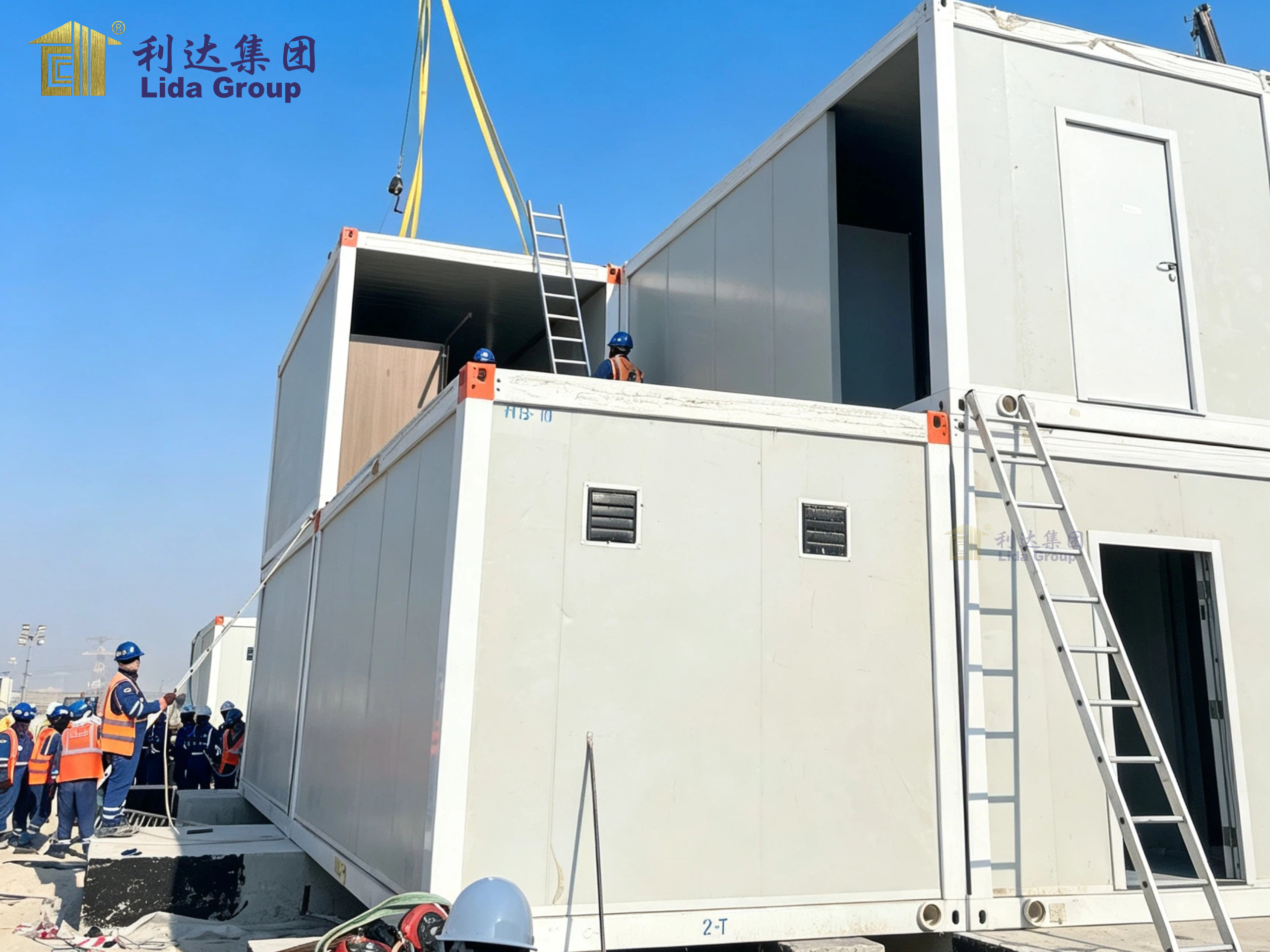
At the core of Lida Group’s transformative sustainable housing offerings lies the strategic deployment of specialized steel-framed construction techniques—a revolutionary building approach that has emerged as a cornerstone of the high-performance and cost-effective prefabricated construction movement. By leveraging the inherent strength, versatility, and customizability of premium-grade steel components, the company crafts modular container-based residential structures that are exceptionally durable, energy-efficient, and rapidly deployable.
Steel-framed construction serves as the foundation of Lida Group’s approach to eco-friendly mobile container houses because it enables the creation of residential structures that are remarkably strong, sustainable, and adaptable regardless of geographic location or specific user requirements. By strategically configuring high-performance steel members into specialized load-bearing frameworks, Lida Group crafts modular container-based homes that can be swiftly assembled, effectively withstand the rigors of daily life and extreme environmental conditions, and provide consistently safe, comfortable, and energy-efficient living environments.
One of the key advantages of this construction approach is the ability to precisely customize the composition and configuration of structural components, enabling the firm to tailor the strength, thermal performance, and overall resilience of each eco-friendly mobile container house to the unique requirements of each project and geographic region. Whether destined for earthquake zones, floodplains, or remote work sites in extreme climates, every unit adheres to rigorous specifications that ensure predictable performance across diverse environments.
Sustainability as a Core Design Principle
Sustainability has evolved from a secondary preference to a rigid core standard for global construction projects. Traditional on-site construction methods produce excessive waste, consume large amounts of disposable materials, and cause irreversible damage to local ecological environments—practices that no longer meet the environmental, social, and governance (ESG) development requirements of most countries. In contrast, factory-prefabricated container house and modular house systems fundamentally optimize resource utilization, and this is precisely where Lida Group’s product advantages are fully reflected.
All container building units are completely manufactured in standardized factories, with precise material cutting and unified component processing greatly reducing material waste compared with traditional on-site cutting and assembly. Every production link on Lida Group’s six container modular house production lines follows unified environmental protection standards, while the eight steel structure production lines adopt recycled steel raw materials that comply with international green building specifications, effectively lowering the carbon footprint of each modular house unit.
The company’s container building solutions utilize high-strength, cold-formed steel with recycled content exceeding 90 percent in many components, immediately reducing the embodied energy of structures while maintaining exceptional strength characteristics. This material innovation forms the foundation of a comprehensive sustainability strategy that permeates every aspect of their buildings. The precision of factory manufacturing further enhances environmental performance: within climate-controlled factories, robotic welding systems achieve tight tolerances, minimizing material waste while ensuring perfect component alignment that enhances structural efficiency. Computer-controlled cutting systems optimize material usage through advanced algorithms, reducing scrap generation by up to 75 percent compared to traditional fabrication methods. The factory environment itself enables recycling of all waste materials—from steel off-cuts to packaging materials—creating a near-zero-waste manufacturing process.
Perhaps most significantly, Lida Group’s modular buildings support complete disassembly, migration, and repeated reuse, forming a closed-loop sustainable construction model. Many clients misunderstand modular temporary buildings as disposable facilities, but Lida Group’s patented structural design enables camp house clusters and functional container building spaces to be disassembled, transported, and reinstalled multiple times without performance attenuation. This reusable feature aligns perfectly with circular economy principles, allowing project teams to reuse modular facilities in subsequent new projects and avoid repeated resource investment. Relying on over 60 technical patents, Lida Group optimizes the connection structure and anti-aging performance of modular house units, ensuring that reused buildings still meet local safety and environmental protection standards after multiple deployments in different countries.
Disaster Relief: Rapid Response When It Matters Most
As climate change intensifies the frequency and severity of natural disasters such as earthquakes, hurricanes, and floods, the demand for swift and reliable housing solutions has grown more urgent than ever. Lida Group has positioned itself at the forefront of humanitarian construction by providing one-stop, professional solutions that combine speed, safety, and durability. Its prefabricated housing systems are specifically engineered for rapid deployment, allowing displaced families to find shelter and stability in the immediate aftermath of devastating events.
The company’s mobile container houses are designed to be energy-efficient, with features such as solar panels and insulation that help to reduce energy consumption. By repurposing shipping containers for use as emergency shelters, Lida Group is helping to reduce waste and promote sustainability. These structures are durable, affordable, eco-friendly, and customizable, making them an ideal choice for providing temporary relief in emergency situations.
In one powerful demonstration of its disaster response capabilities, after an earthquake in Turkey, Lida Group shipped 500 container houses to the affected region in just 10 days—each equipped with beds, kitchens, and insulation to protect families from the cold. This rapid deployment provided immediate relief to thousands of displaced families during a critical period when traditional housing solutions would have required months to implement.
Following Typhoon Rai in the Philippines, Lida Group delivered 200 camp house modules in 30 days—half the time of traditional construction—by leveraging its modular light steel production lines. Each module was pre-fitted with insulation, plumbing, and electrical systems, so on-site teams only needed to connect the units like building blocks. This speed is not limited to emergencies: it represents a fundamental rethinking of how housing can be delivered in crisis situations.
The Qingdao Huangdao Container Hospital Station Project, completed during the height of the global pandemic, stands as one of the most compelling demonstrations of Lida Group’s capabilities. Covering 74,000 square meters with a construction area of 36,000 square meters, the project included 1,000 isolation container rooms and 126 staff dormitories, along with function halls, catering buildings, and reception centers. In collaboration with the China Construction Eighth Engineering Bureau, Lida Group delivered the hospital station in just 12 days from start to delivery. The project encompassed 726 prefab houses, including 574 isolation container rooms, more than 620 sets of integrated sanitary facilities, and the installation of 636 air conditioners and 632 televisions. This achievement underscored Lida Group’s ability to mobilize resources at scale, integrate engineering efficiency with humanitarian urgency, and deliver projects that directly improve public health and community resilience.
The company’s commitment to humanitarian engineering extends beyond individual projects. Lida Group has been recognized as a 5.12 earthquake relief advanced enterprise for its contributions to disaster response. From epidemic prevention facilities to emergency resettlement housing, the company is committed to creating structures that not only withstand challenges but also uplift communities during their most difficult moments.
Remote Work: Empowering Mobile Workforces
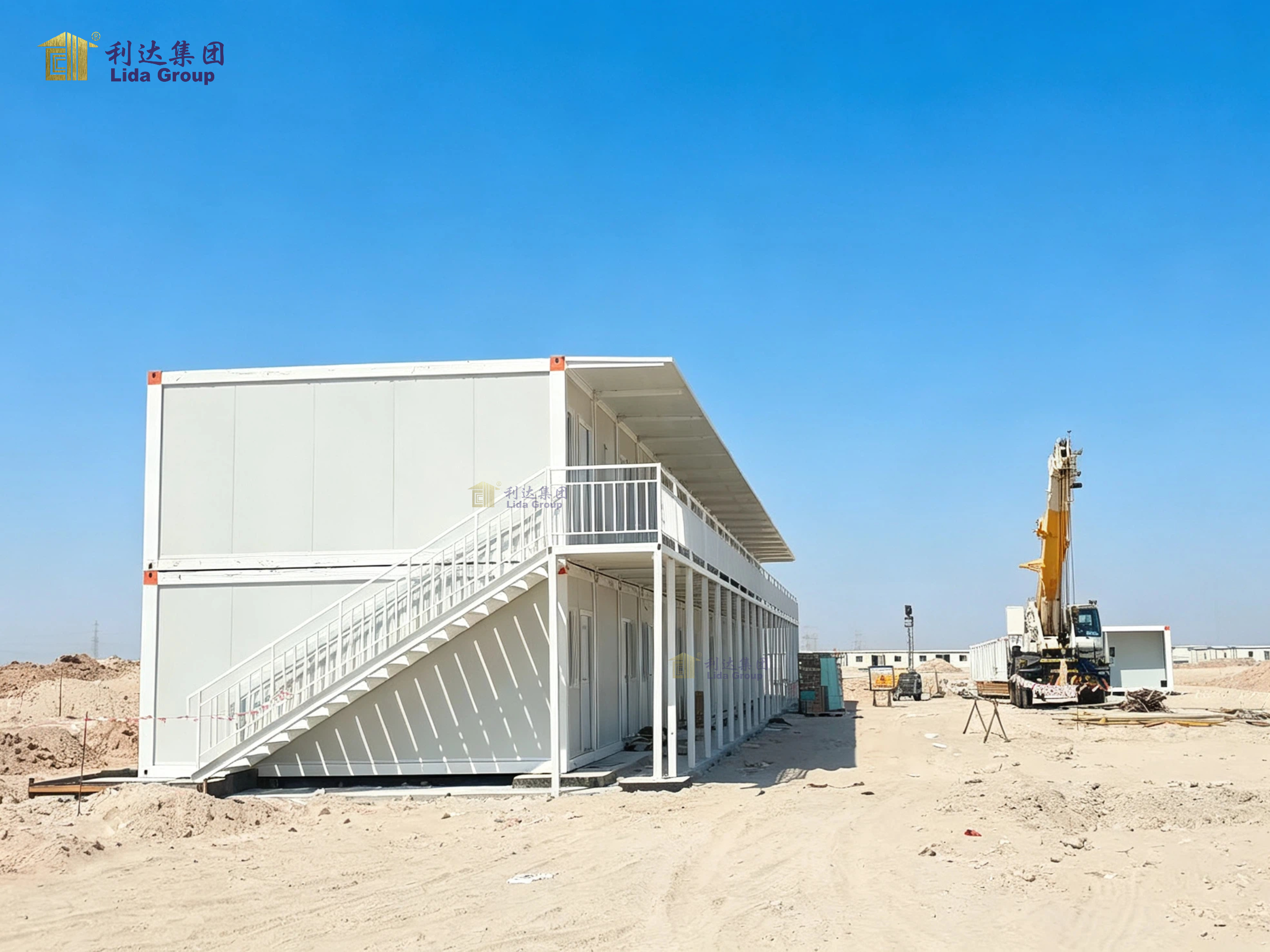
Beyond disaster relief, Lida Group’s eco-friendly mobile container houses are transforming how remote workforces are accommodated across diverse industries. As mining, oil and gas, and energy projects push into harsher geographies, providers like Lida Group are empowering workers through innovative prefabricated accommodations. The company outfits robust container houses with insulated walls, impact-resistant coatings, and filtered ventilation, creating living environments that maintain comfort and safety even in the most challenging conditions.
Self-contained bathrooms and kitchens maintain hygiene where plumbing proves difficult. Roomy interiors satisfy the demands of shifting work schedules, while communal spaces—from lounges to workshops—boost morale on prolonged assignments while respecting workers’ privacy. Investments in wellbeing bolster productivity and safety over project lifecycles.
For truly remote locations where grid connections are unavailable, Lida Group’s units can be equipped with solar panels to power pumps, lights, and fans. Solar-ready roofs and rainwater harvesting systems align with international green building standards. The company’s off-grid container houses utilize renewable energy sources, incorporate water management systems, and employ sustainable construction materials. They design and install solar power systems, wind turbines, and energy storage solutions to ensure a consistent and sustainable energy supply for remote communities.
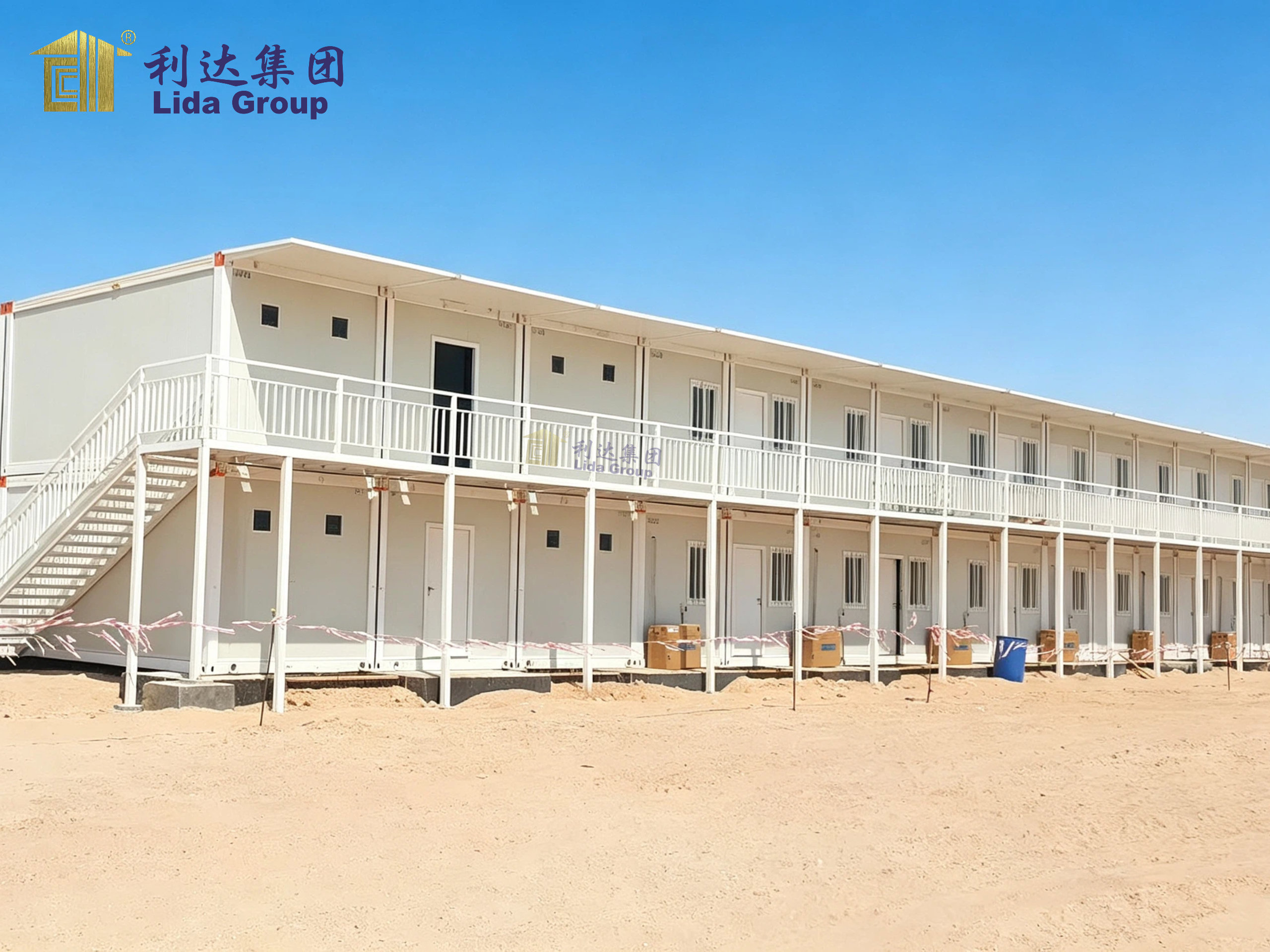
The scalability of Lida Group’s solutions is particularly valuable for large-scale remote operations. A mining company in Africa recently partnered with Lida Group to build a camp house complex with 300 container house units, capable of accommodating 1,200 workers. This demonstrates how modular container houses can support significant workforce populations in locations where traditional construction would be impractical or impossible.
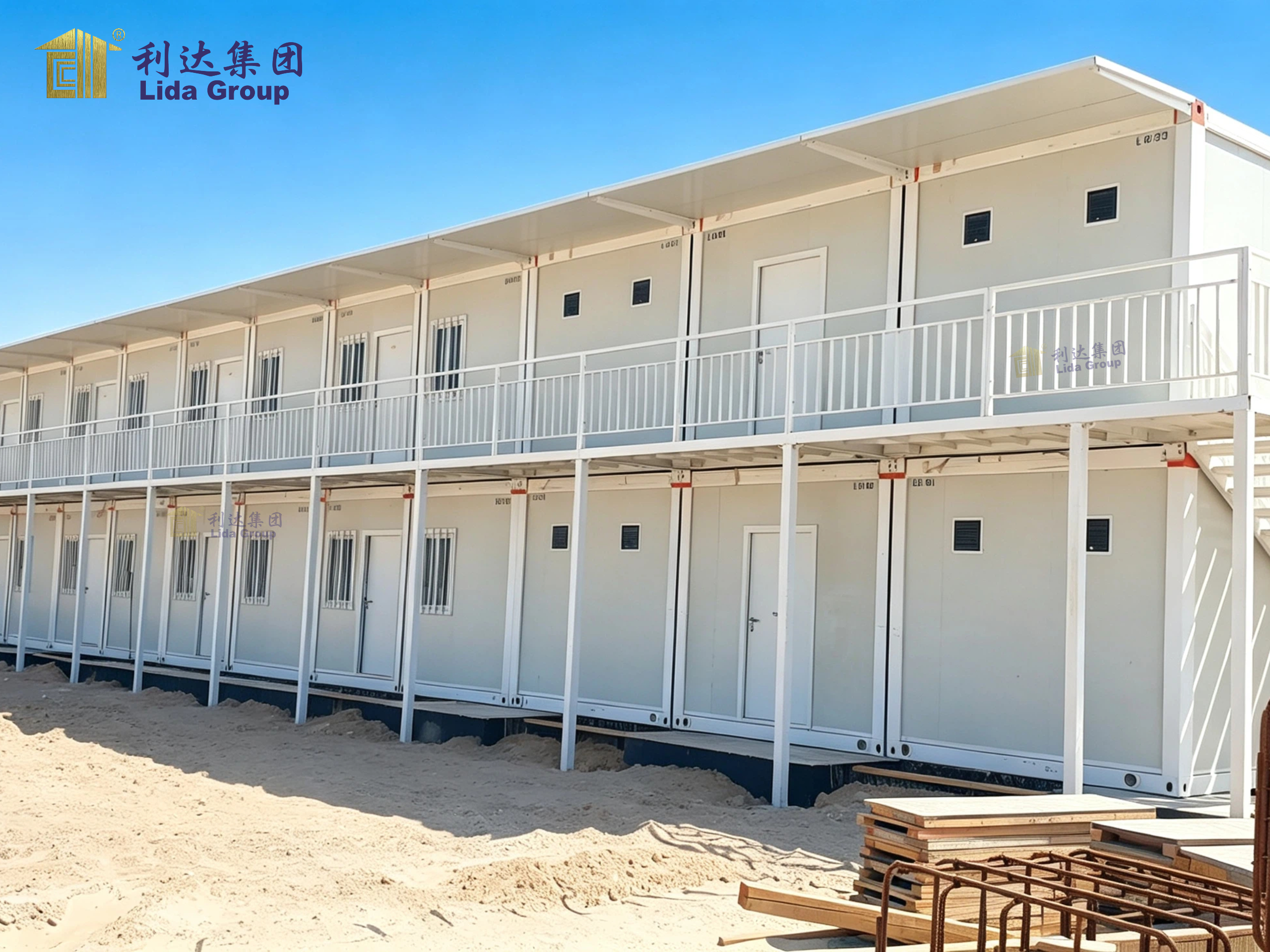
Lida Group routinely constructs field labor camps housing thousands within compressed schedules. Experienced project teams carefully design each facility while maintaining standardized, scalable components for cost efficiency. Modular growth accommodates fluctuating headcounts over construction and operations, while disassembly permits simple site restoration at decommissioning. Through dedication to workplace dignity, Lida Group enhances living standards for transient labor forces.
The Container House Advantage: Speed, Flexibility, and Environmental Footprint
Traditional construction is slow, wasteful, and expensive. A typical building can take months or years to complete, with material waste reaching significant percentages. But Lida Group’s container houses change the game. Every unit is prefabricated in state-of-the-art factories, meaning the majority of the building process happens off-site, away from weather delays or on-site disruptions.
For contemporary construction needs, Lida Group has upgraded its container houses with innovative features including high-strength steel frames that resist corrosion and withstand high winds, eco-friendly insulation made from recycled materials that cuts energy costs, and modular designs that allow spaces to be expanded or reconfigured in days, not months. What sets Lida Group apart is not just about building container houses—it is about building solutions. A team of engineers has optimized every detail, from pre-installed electrical and plumbing systems that make units move-in ready within hours to customizable exteriors that blend seamlessly with any environment.
With certifications including ISO 9001, CE, and SGS, Lida Group guarantees products that meet global quality standards—critical for organizations operating across borders. The company’s eco-friendly container houses are designed with a focus on energy efficiency and the integration of green technologies, incorporating features such as LED lighting, energy-saving appliances, sustainable flooring options, and water conservation and management systems.
Conclusion
Lida Group’s eco-friendly mobile container houses represent a transformative advancement in sustainable living—one that addresses the most pressing challenges of our time with engineering excellence, environmental responsibility, and humanitarian purpose. By strategically integrating the inherent strength, energy efficiency, and mobility of state-of-the-art steel-framed construction systems with a steadfast commitment to environmental stewardship, the company has crafted a pioneering portfolio of solutions that are redefining the standards of sustainable living for disaster relief and remote work.
The company’s container houses deliver what traditional construction cannot: speed, flexibility, and a smaller environmental footprint. They provide secure, comfortable, and energy-efficient living environments for displaced populations, emergency responders, and mobile workforces—populations that increasingly require innovative housing solutions that can be rapidly deployed, customized, and reconfigured to meet unique needs.
From earthquake zones in Turkey and typhoon-ravaged communities in the Philippines to remote mining camps in Africa and off-grid work sites across the globe, Lida Group’s eco-friendly mobile container houses are proving their worth. They offer durability that withstands extreme conditions, sustainability that protects the planet, and dignity that uplifts communities during their most difficult moments.
As climate change continues to intensify natural disasters and as industries push into increasingly remote territories, the demand for sustainable, adaptable, and rapidly deployable housing solutions will only grow more urgent. Lida Group, with its three decades of experience, its commitment to quality and innovation, and its global reach, stands ready to meet this demand. The company’s eco-friendly mobile container houses are not merely structures—they are instruments of resilience, sustainability, and hope, providing the foundation for communities to rebuild, workers to thrive, and sustainable living to be redefined for generations to come.
Post time: Aug-27-2026