
For centuries, remote operations followed a familiar pattern. A project opens far from towns and infrastructure, and around it a camp grows — hastily, out of whatever materials can be shipped in, and with little thought given to what will happen to those materials when the project ends. Timber frames sag under weather they were never built to resist. Cladding, insulation, and wiring are installed once and abandoned. When the mine closes, or the pipeline is complete, the camp is simply walked away from, leaving a scar on the landscape and a loss on the balance sheet.
That model is no longer defensible. Rising material costs, tightening environmental regulation, and a workforce that expects real standards have forced operators to rethink how remote accommodation is built. The answer emerging across the industry is a compound of relocatable steel structures — buildings that are sustainable to produce, efficient to operate, and reusable for site after site. Lida Green Steel Structures sits squarely at the heart of this shift, offering remote camps that are lighter on the planet and more dependable in the field.
This article explains why the modern remote camp must be both sustainable and relocatable, and how green steel construction delivers on both promises.
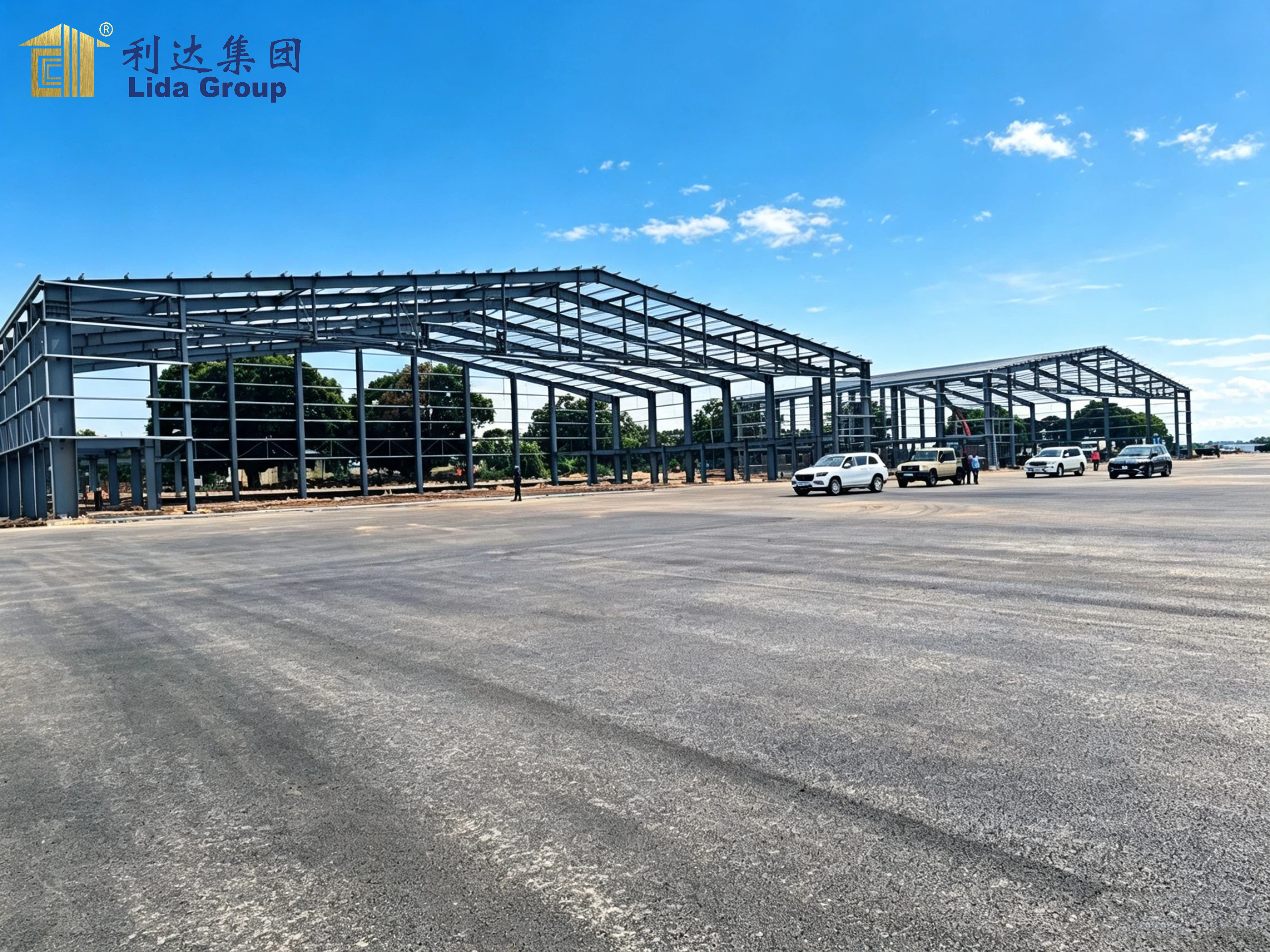
The Changing Demands of Remote Operations
A remote camp exists to support work in places where ordinary infrastructure does not. It houses personnel, provides welfare and recreation, and anchors the logistics that keep an operation running. Yet the demands placed on that camp have changed profoundly in the last decade.
Cost pressure is the first. Every ton of material that must be transported to a distant site carries freight, handling, and installation expense. Every structure that cannot be moved to the next project is a cost that can never be recovered. Operators have learned that permanent, single-use accommodation is a poor investment precisely because it is single-use.
Pressure from the workforce is the second. Experienced crews now expect camps that are clean, comfortable, and safe. A tired and poorly housed workforce is an unreliable one; recruitment and retention in remote regions depend on the standard of the accommodation offered. Good camps attract good people.
The third pressure is environmental. Governments, clients, and investors are scrutinizing the footprint of industrial operations with growing care. A camp that is energy-hungry, carbon-heavy, and abandoned at the end of its life is a liability. A camp that is efficient, reusable, and ultimately recyclable is an asset — and increasingly, a condition of being allowed to operate at all.
What “Green” Really Means in Steel Construction
Sustainability is easy to claim and harder to deliver. In steel construction, genuine green credentials rest on several measurable foundations.
The first is the material itself. Structural steel is one of the most recyclable materials on earth. It can be melted down and reformed without losing its strength, which means the metal in a building does not have to end its life in a landfill. When a camp is decommissioned, its steel components carry real scrap value and can be returned to the supply chain. This closed loop is the heart of steel’s environmental case.
The second is efficient manufacturing. Modern fabrication uses energy carefully, optimizes cutting to minimize waste, and finishes components to exact tolerances so that nothing is oversized, over-ordered, or discarded. Precision manufacturing means fewer wasted inputs and a smaller embodied carbon footprint for every building produced.
The third is the building envelope. A green steel structure is not just a frame; it is a complete system with insulated panels, efficient glazing, and sealed joints. A well-insulated camp uses less energy to heat in winter and cool in summer, which is significant in remote regions where energy is scarce and expensive. Lower operating energy means lower emissions, month after month, for the entire life of the camp.
None of these measures is a gimmick. Together they represent a genuine reduction in the carbon a camp generates — from the factory floor through decades of operation to final decommissioning.
The Power of Relocation
Sustainability and relocatability are not separate virtues; they are two sides of the same idea. A building that can be dismantled, transported, and re-erected is a building whose value is not consumed in a single project.
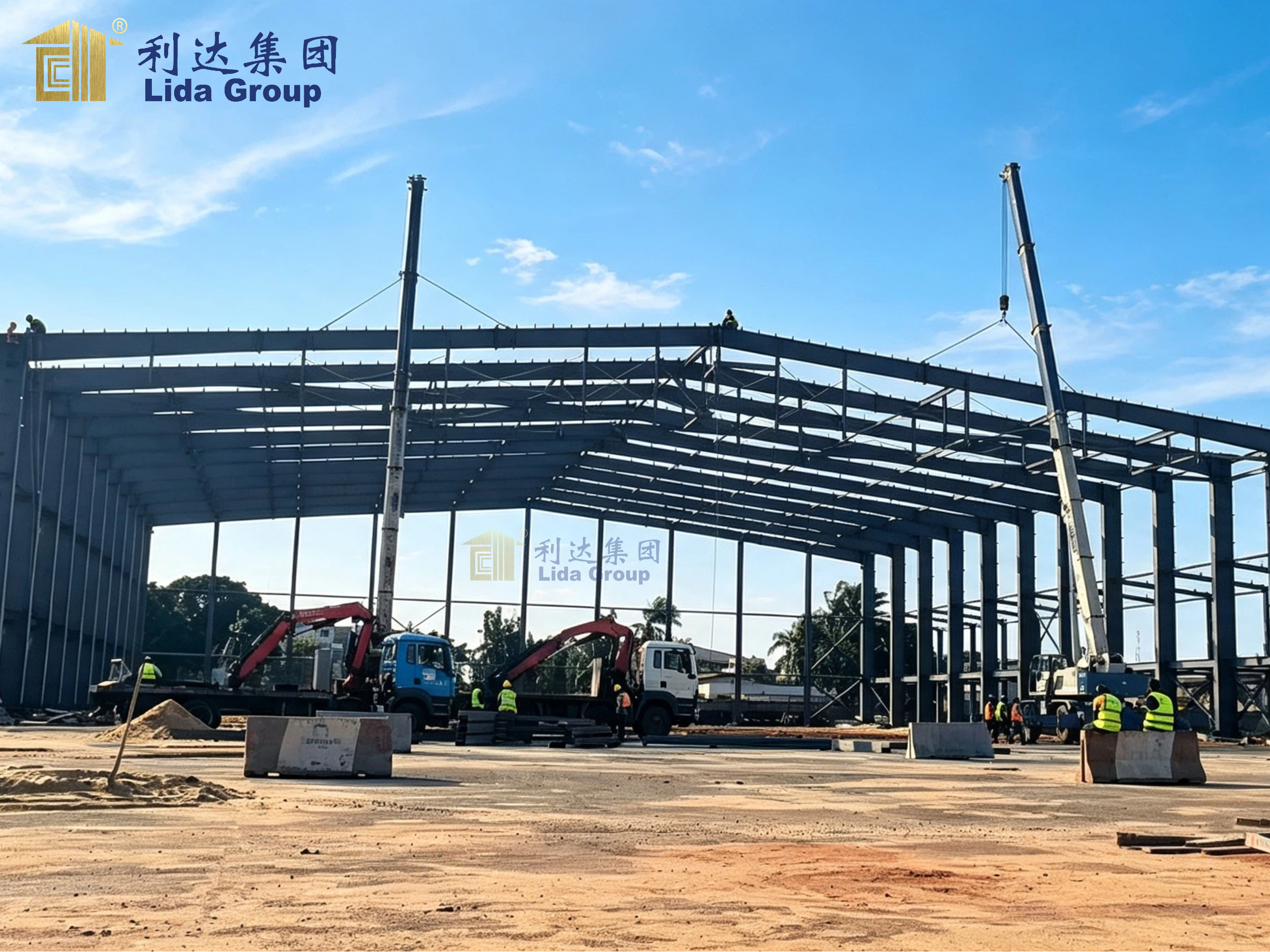
Lida Green Steel Structures are engineered for this from the start. Components are designed to be bolted rather than welded on site, so erection is fast and dismantling is clean. Panels and modules are sized for road and rail transport, so the same units that served one site can move economically to the next. Foundations are light and reversible, allowing a camp to be removed with minimal disturbance to the ground it occupied.
The economic benefit is direct. Instead of writing off accommodation at the end of each project, an operator carries the asset forward. A camp that serves five projects across a decade has effectively spread its cost across all of them — and because steel retains its value and strength across relocations, the building does not degrade with each move as timber would.
The environmental benefit is just as real. Reusing a structure avoids the manufacturing, transport, and disposal emissions that a new building would require. Fewer raw materials are consumed, less waste is created, and the land at each site can be returned closer to its original state when the operation moves on.
Comfort That Supports Performance
Sustainability would mean little if the camp failed its real purpose: supporting people. Here, steel construction has an advantage that is often overlooked.
Modern green steel camps are genuinely comfortable. Insulated wall and roof panels keep interiors stable in extreme climates, while controlled ventilation maintains air quality. Living quarters provide proper sleeping spaces, storage, and privacy. Welfare facilities — kitchens, dining halls, washrooms, and laundry — are built to consistent standards and easy to maintain. Common areas give crews a place to relax, which matters enormously in locations where there is nowhere else to go.
This comfort is not an indulgence. In remote regions, the quality of a camp is directly tied to productivity and safety. Workers who are well-rested and reasonably housed make fewer errors and file fewer complaints. A camp that respects its residents reduces turnover, protects morale, and keeps the operation running on schedule. The most sustainable camp is the one that people actually want to stay in.
Safety, Compliance, and Responsible Design
A camp that is sustainable on paper but unsafe in practice helps no one. Green steel structures are held to rigorous standards that operators can verify.
Fire safety is paramount. Steel does not fuel a fire the way timber does, and non-combustible cladding and insulation further reduce risk. Clear escape routes, smoke detection, and safe electrical installation are non-negotiable components of any responsible camp. Structural design accounts for the wind, snow, and seismic loads of the regions where the camp may operate, so the building is as strong as it is efficient.
Documentation matters too. Complete drawings, certification, and installation guidance give project owners the confidence they need and satisfy the inspectors and regulators who review remote operations. On projects governed by strict standards, a supplier who can demonstrate compliance removes a significant burden from the project team.
Responsible design also extends to how the camp is installed and removed. Reversible foundations, orderly cabling, and clear site plans mean the camp can be assembled quickly, operated cleanly, and withdrawn with the land left recoverable. This is what sustainable operation looks like in practice.
A Complete, Forward-Looking Camp Solution
The most effective way to modernize a remote camp is not to piece together buildings from different suppliers. It is to commission a complete, integrated compound from a single partner who understands how the parts work together.
A unified solution means the warehouse, dormitories, dining hall, and welfare facilities are engineered to share services and circulate efficiently. Power, water, and drainage are planned once and installed coherently, avoiding the duplication that fragments piecemeal sites. Logistics are coordinated, so components arrive in the right order and the camp becomes operational sooner. And because one supplier owns the design, quality and safety standards are applied consistently throughout.
For operators, this is a matter of control. A single point of accountability, a single delivery schedule, and a single standard of quality make the difference between a smooth mobilization and a chaotic one. And because the entire compound is relocatable, the same integrated approach serves the next project as readily as this one.

Conclusion
The remote camp of the future is not a temporary inconvenience to be endured. It is a considered asset — sustainable in its materials, efficient in its operation, and built to serve project after project. Lida Green Steel Structures embody exactly this approach.
Steel gives the camp strength, safety, and an almost unlimited capacity for recycling. Green manufacturing reduces the carbon invested in every building. Relocatable design ensures that a structure’s value is spread across many sites rather than consumed by one. And a camp built to genuinely high standards of comfort and safety supports the people who make any remote operation succeed.
For operators planning their next project, the choice is no longer between cheap and responsible. A sustainable, relocatable steel camp delivers both — lowering lifetime cost, lightening the environmental footprint, and building accommodation that crews actually want to return to. That is not just modernization. It is the standard the industry should hold itself to.
Contact us, please click here!
Post time: Oct-29-2026