
Introduction
Oil and gas projects are often developed in environments where time, logistics, safety, and operational efficiency are critical. Whether a project involves exploration, drilling, pipeline construction, processing facilities, maintenance, or large-scale infrastructure development, site teams need reliable facilities to support daily operations.
Offices, meeting rooms, accommodation buildings, storage areas, welfare facilities, and other site structures are essential parts of project infrastructure. However, these facilities do not always need to be constructed using conventional permanent building methods.
For many oil and gas projects, the construction schedule and operational requirements change throughout the project lifecycle. A facility that is essential during the construction phase may have a different purpose after the main project is completed. Building a conventional permanent structure for a temporary requirement can therefore create unnecessary cost, time, and resource commitments.
This is where modular container offices provide an alternative.
Lida Group develops containerized and modular building solutions designed for project-based applications, including site offices and integrated facilities. By using prefabricated construction methods, container offices can be manufactured before delivery, transported to the project location, and installed with significantly less on-site construction work than many conventional buildings.
The potential return on investment does not come simply from purchasing a lower-cost building. It comes from considering the entire lifecycle of the facility, including construction time, transportation, installation, relocation, maintenance, adaptability, and potential reuse.
For oil and gas companies, contractors, EPC companies, and project developers, understanding the difference between temporary and permanent site facilities is therefore important when planning project infrastructure.
The Facility Challenge in Oil and Gas Projects
Oil and gas projects can operate across a wide range of locations and environments.
Some projects are located close to established cities and industrial infrastructure, while others are developed in remote areas with limited access to construction materials, skilled labor, utilities, and transportation networks.
Site facilities must therefore be designed around actual project conditions.
A typical project may require administrative offices, engineering offices, meeting rooms, control and monitoring spaces, changing rooms, dining facilities, accommodation, storage areas, sanitation facilities, security buildings, and other supporting structures.
The number and type of facilities can also change over time.
During the early stage of a project, the workforce may be relatively small. As construction accelerates, the number of engineers, supervisors, technicians, contractors, and support personnel may increase significantly. Once construction is completed, the site may require fewer administrative facilities.
This changing demand creates an important question:
Should the project build permanent facilities for a temporary peak in demand, or use a flexible building system that can adapt as requirements change?
Containerized modular buildings provide one possible answer.
Temporary Does Not Mean Basic
The term “temporary facility” can sometimes create the impression of a basic or low-quality structure.
Modern modular construction challenges this assumption.
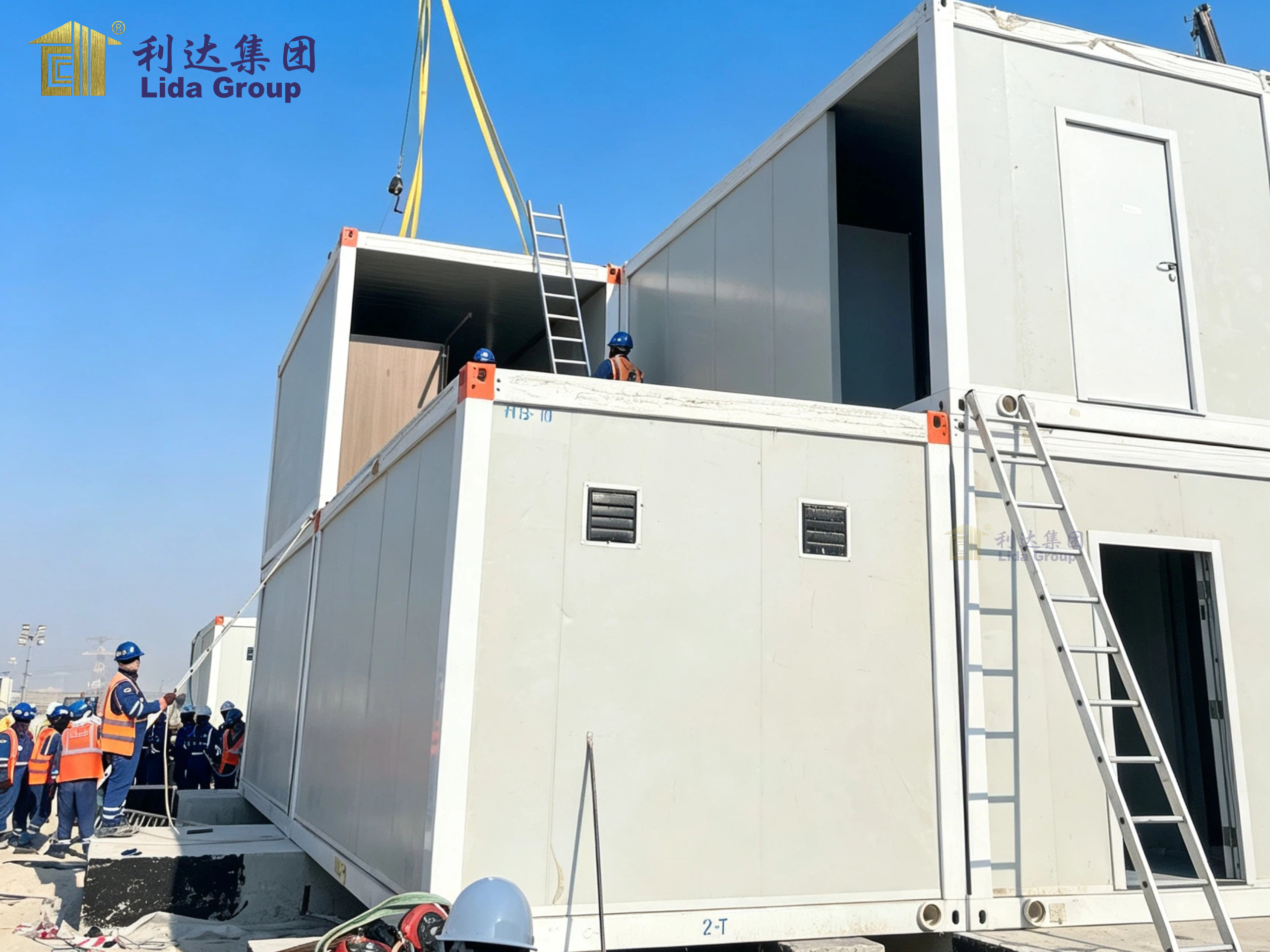
A temporary container office can be designed with appropriate insulation, electrical systems, lighting, ventilation, air conditioning, flooring, ceilings, windows, doors, and interior finishes. Depending on project requirements, modules can also be configured as meeting rooms, management offices, engineering spaces, reception areas, or other specialized work environments.
The purpose of modular construction is not simply to provide a temporary shelter.
It is to provide a functional building that can be deployed quickly and adapted to the project’s operational requirements.
For an oil and gas project, this distinction is important. A site office may be used for months or several years, but its useful life at a particular location can still be temporary.
The building therefore needs to perform effectively throughout its intended period of use while remaining practical to relocate, expand, modify, or repurpose when project conditions change.
Permanent Facilities and Their Long-Term Commitment
Permanent buildings have an important role in oil and gas infrastructure.
Processing plants, administrative headquarters, permanent workshops, long-term operational facilities, and other structures intended to remain at a location for an extended period may justify conventional construction or permanent modular systems.
However, permanent construction often involves a larger initial commitment.
Site preparation, foundations, architectural construction, utility installation, finishing work, and coordination among multiple construction trades can require considerable time and resources.
Once constructed, a permanent facility is also closely tied to its location.
If the project scope changes, the building may no longer match the site’s operational requirements. Relocating a conventional building is generally impractical, while modifying it may require significant construction work.
This creates a fundamental difference between permanent and modular temporary facilities.
Permanent construction can provide a long-term physical asset, while modular construction can provide greater flexibility throughout a project’s lifecycle.
The right choice therefore depends on the intended service period, operational requirements, local regulations, site conditions, and long-term plans for the facility.
Why Container Offices Fit Project-Based Operations
Container offices are particularly suited to projects where speed and flexibility are important.
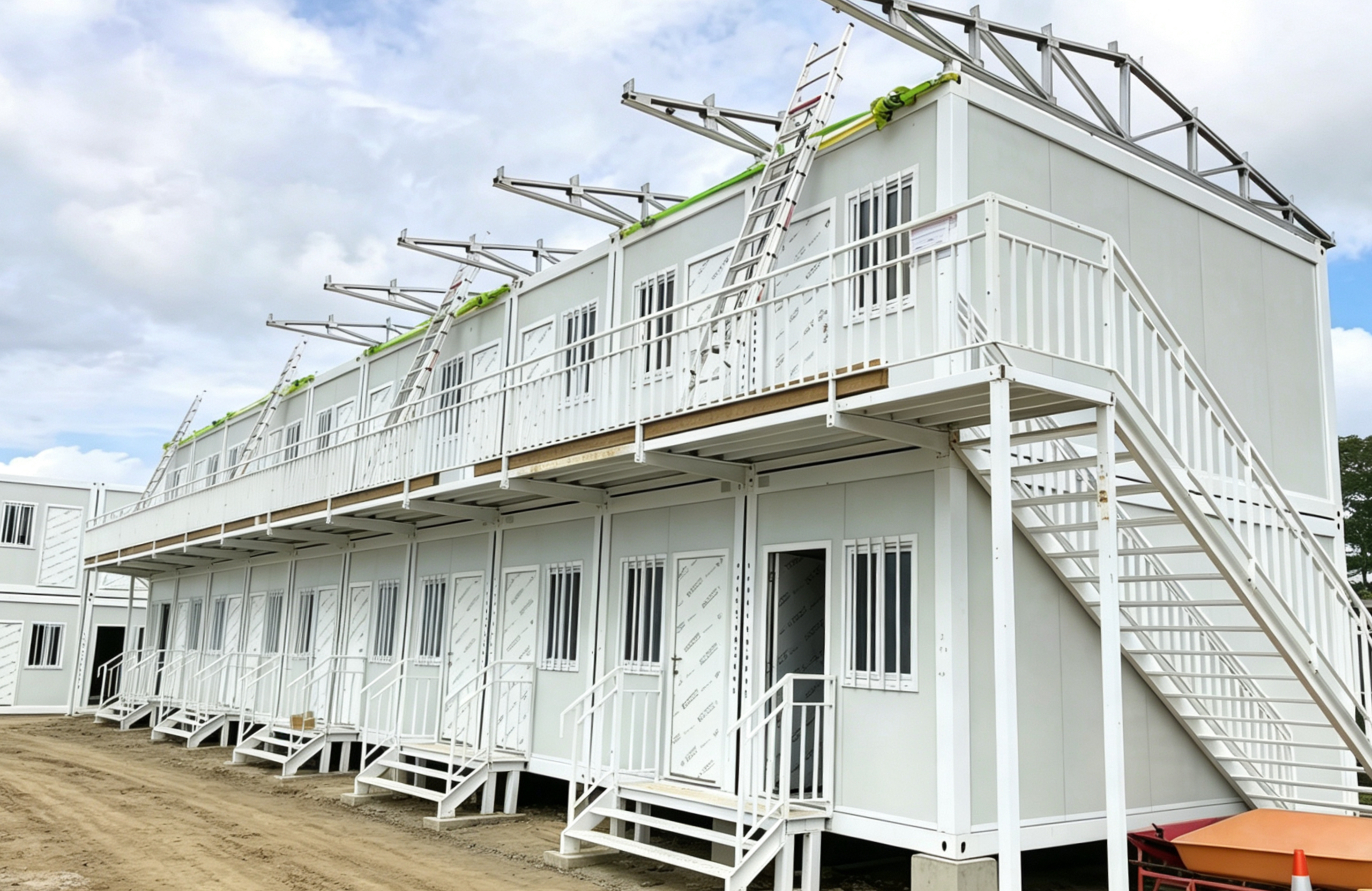
Their modular dimensions and factory-based manufacturing make it possible to prepare building components before they are delivered to the site.
Instead of beginning the entire building process after arriving at the project location, much of the manufacturing work can be completed in a controlled production environment.
Once the site is prepared, modules can be transported and positioned according to the planned layout.
This approach can reduce the amount of conventional construction work required at the project site.
For oil and gas contractors, this can be valuable because the construction schedule is often highly coordinated. Delays to supporting facilities can affect workforce deployment, project administration, and site operations.
A modular office can be planned as part of the overall project schedule rather than treated as a separate construction activity that begins only after the site is ready.
Reducing the Time to Operational Readiness
One of the most important economic considerations for a project facility is not simply how much it costs to build, but how quickly it can become operational.
An office that cannot be used does not contribute to project productivity.
Traditional construction may involve multiple sequential stages, including foundation work, structural construction, wall installation, roofing, electrical work, interior finishing, and final commissioning.
Modular construction can move many of these activities into the factory.
While site preparation is underway, the container office can be manufactured simultaneously.
This parallel workflow can help shorten the overall period between project mobilization and office readiness.
For oil and gas projects, earlier availability of administrative and engineering facilities can support earlier deployment of project teams and improve coordination during the initial stages of construction.
The exact time savings will depend on project size, design, site conditions, transportation, installation requirements, and local regulations. Nevertheless, the principle is straightforward: manufacturing and site preparation can proceed in parallel rather than entirely sequentially.
The ROI Perspective: Looking Beyond Purchase Price
Return on investment should not be reduced to the difference between the purchase price of a container office and the cost of a conventional building.
A more complete evaluation should consider the total cost of ownership.
This includes manufacturing, transportation, foundations or site preparation, installation, utility connections, maintenance, relocation, modification, reuse, and eventual disposal or resale.
For a project facility, the ability to reuse the building can be particularly significant.
A conventional temporary structure may have limited value once the project is completed. A modular container office, by contrast, can potentially be relocated to another site or reconfigured for a different application.
This creates an additional layer of asset value.
For companies managing multiple projects, a modular building can potentially become part of a reusable facility inventory rather than being treated as a single-project expense.
The actual financial outcome depends on project conditions, but lifecycle thinking provides a more meaningful basis for comparison.
Relocation as a Strategic Asset
Oil and gas projects are rarely identical.
A contractor may complete one drilling or infrastructure project and then mobilize personnel and equipment to another location.
This creates demand for facilities that can move with the operation.
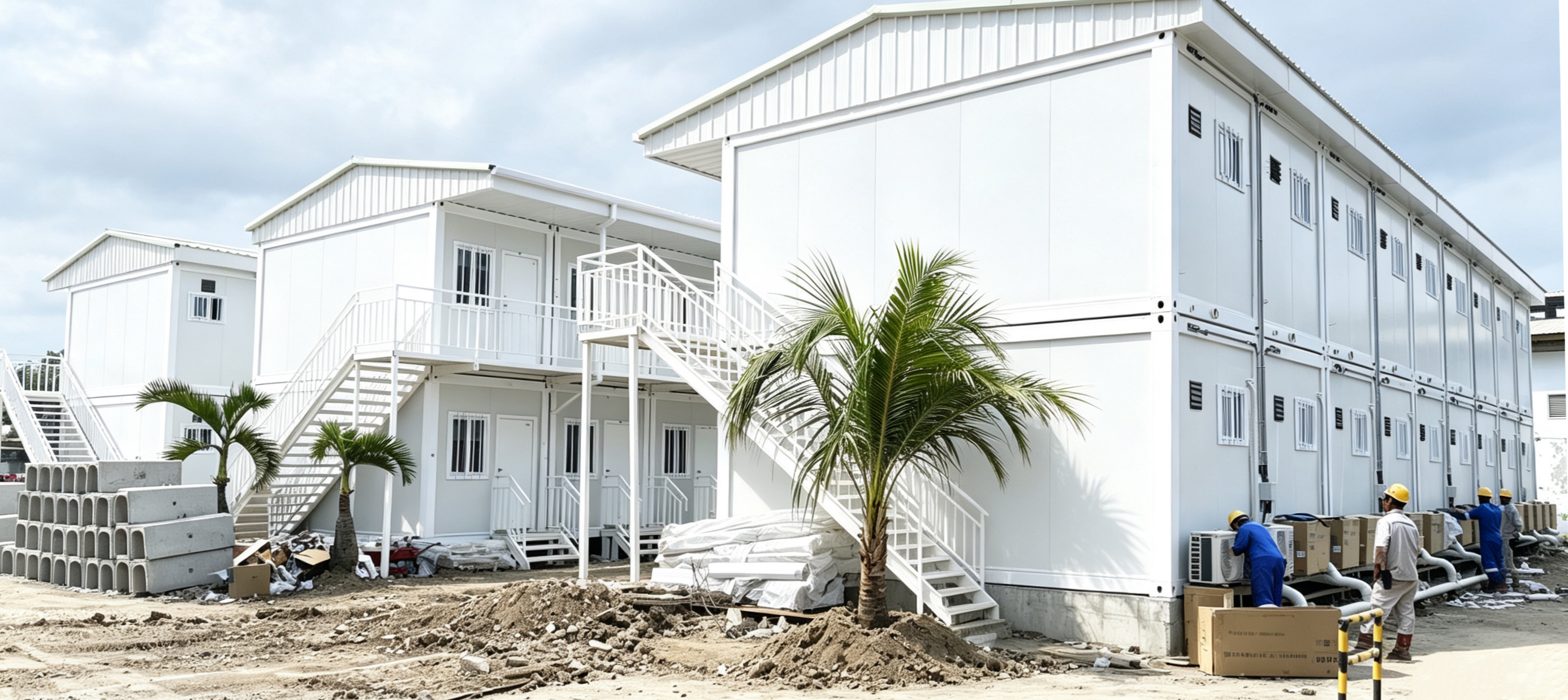
Container offices can support this model because their modular format is designed around transportation and redeployment.
After the first project is completed, a module may be inspected, maintained, refurbished where necessary, and transported to another project.
The same building can therefore support multiple project cycles.
This potential for reuse can change the financial calculation.
Instead of allocating the entire acquisition cost to one project, a company can consider the building as an asset capable of generating value across multiple deployments.
For companies with recurring project activity, this can be an important advantage.
Expanding or Reducing Office Capacity
Workforce requirements can change quickly during a major project.
A project may start with a small management and engineering team before expanding during peak construction.
Containerized modular buildings make it possible to add additional units when more space is needed, subject to site conditions and engineering requirements.
Additional modules can be used for offices, meeting rooms, storage, welfare facilities, or other functions.
When project activity decreases, surplus modules can potentially be removed.
This provides a degree of flexibility that is difficult to achieve with conventional buildings.
The facility becomes a scalable system rather than a fixed structure.
For project managers, this can help align physical infrastructure more closely with actual workforce requirements.
Designing an Efficient Container Office
A successful container office should be designed around how the space will actually be used.
An office used by engineers may require workstations, meeting areas, document storage, communication equipment, and technical facilities. A management office may require more privacy and dedicated meeting space.
A site administration building may need reception areas, open-plan workstations, conference rooms, and document storage.
The modular system can accommodate these different requirements through different layouts and combinations of units.
Interior design also affects productivity.
Natural light, appropriate artificial lighting, ventilation, thermal comfort, acoustic conditions, ergonomic furniture, and clear circulation routes can contribute to a more effective workplace.
This is particularly relevant for oil and gas sites, where personnel may spend long periods working within the facility.
A modular office should therefore be treated as a workplace rather than simply a container with desks.
Climate and Environmental Considerations
Oil and gas operations can take place in demanding environments.
High temperatures, low temperatures, humidity, dust, strong winds, and other environmental conditions can affect building performance.
The building envelope therefore needs to be designed according to the local climate.
Insulation, sealing, roofing, windows, doors, ventilation, and HVAC systems all contribute to indoor environmental conditions.
The appropriate configuration will vary according to location.
A container office intended for a hot climate may require a different insulation and cooling strategy from one used in a cold environment. Similarly, facilities in humid or dusty locations may require additional attention to ventilation, sealing, and maintenance.
Lida Group’s modular approach allows building configurations to be developed according to specific project requirements rather than relying on a single standard configuration for every location.
Safety and Site Requirements
Safety is a fundamental consideration for any oil and gas facility.
The suitability of a modular office depends on project-specific requirements, applicable building regulations, fire safety standards, electrical requirements, and site conditions.
Container offices should therefore be engineered and installed according to the relevant requirements of the project and jurisdiction.
Structural connections, electrical systems, fire protection, emergency exits, ventilation, and other building elements must be properly coordinated.
The advantage of factory manufacturing is that many components can be prepared and inspected before delivery.
However, safe installation remains essential. Site foundations, lifting operations, module connections, utility connections, and final commissioning all require appropriate planning and qualified personnel.
Modular construction can simplify the physical construction process, but it does not eliminate engineering or safety responsibilities.
Logistics in Remote Oil and Gas Projects
Logistics can be one of the most challenging aspects of remote project development.
Large quantities of construction materials may need to travel long distances before reaching the site. Poor road conditions, limited access, weather, border procedures, and local infrastructure can complicate transportation.
Containerized construction can help simplify some aspects of logistics because modules are manufactured around standardized transport dimensions.
The entire delivery process still requires careful planning.
Transportation routes should be assessed before production, while loading methods, lifting requirements, site access, unloading areas, and installation sequences should be coordinated in advance.
This is especially important when multiple modules are required.
A well-planned delivery sequence can reduce unnecessary handling and ensure that modules arrive according to the installation schedule.
Reducing On-Site Construction Complexity
Traditional construction typically requires multiple trades to work on site over an extended period.
For a remote oil and gas project, every additional on-site activity can increase logistical and management requirements.
Prefabrication shifts a portion of the work to the factory.
This can reduce the amount of cutting, assembly, finishing, and other construction work required on site.
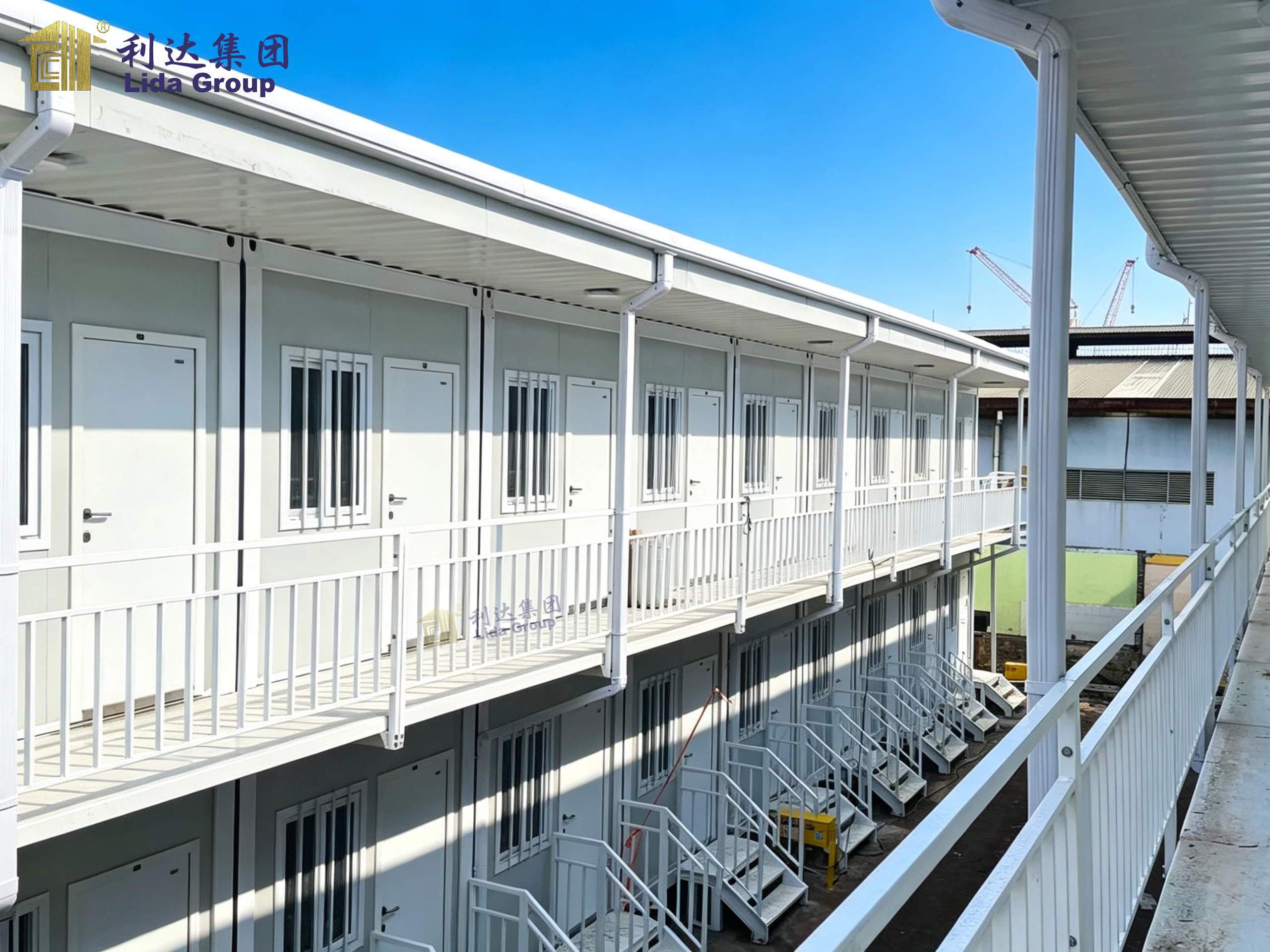
A modular building can arrive with many components already completed, allowing the site team to focus on placement, connections, utility integration, and commissioning.
This can reduce site congestion and simplify coordination.
It can also make project planning more predictable because a greater proportion of the construction process is completed before the modules arrive.
Maintenance and Lifecycle Value
Maintenance is another important factor in evaluating ROI.
A building that is inexpensive to purchase but difficult to maintain may not be economical over its full lifecycle.
Container offices can benefit from standardized components and modular construction, which can simplify certain maintenance activities.
Damaged or worn components may be easier to identify and replace when the building follows a consistent system.
Routine inspections should still be conducted throughout the facility’s service life.
Roofing, external panels, seals, doors, windows, electrical systems, HVAC equipment, plumbing, and structural connections should be maintained according to their respective requirements.
Proper maintenance can help extend the useful life of the facility and preserve its value for future projects.
From Temporary Office to Integrated Site Facility
The concept of modular construction can extend beyond individual offices.
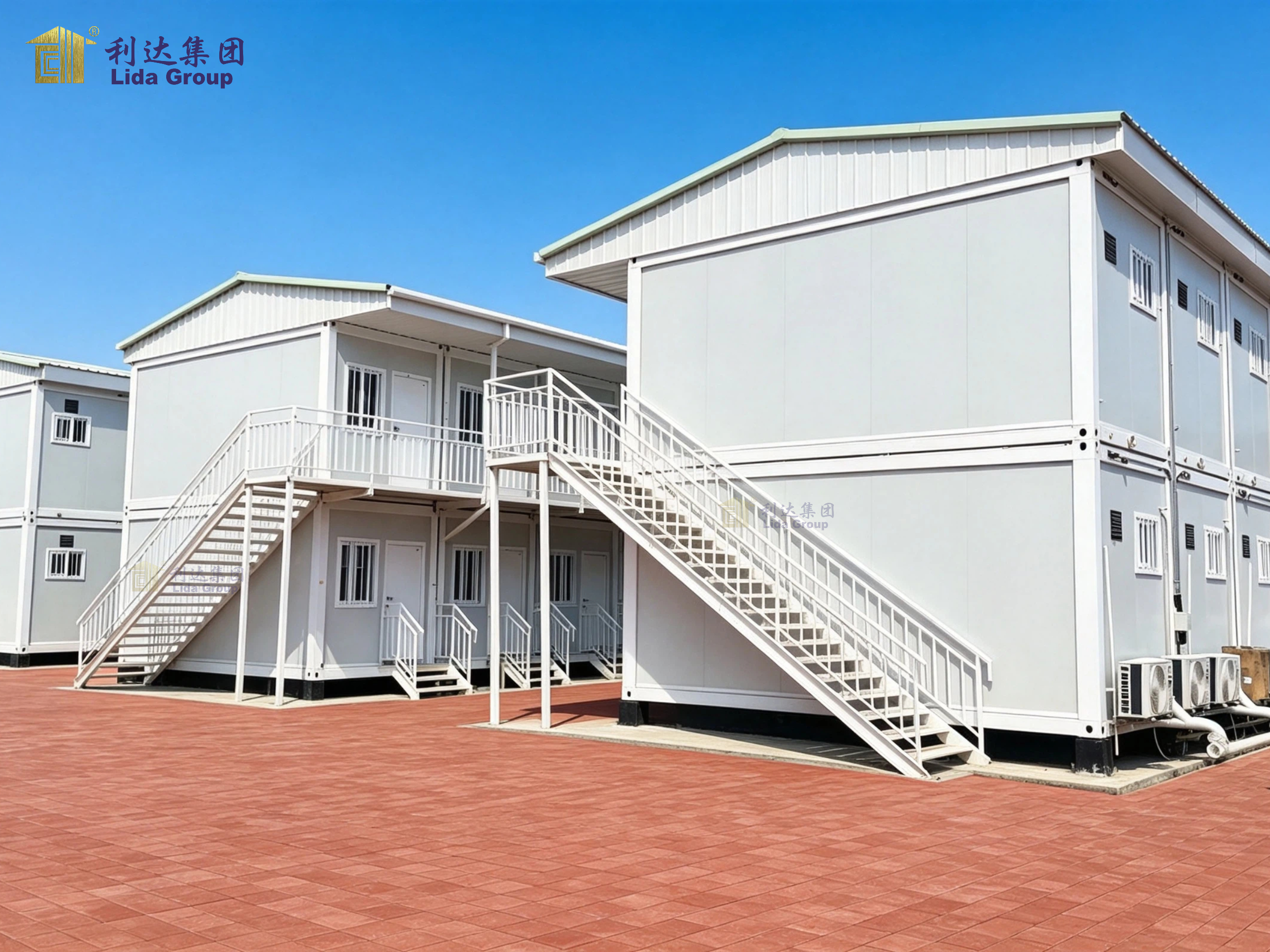
A complete oil and gas project camp can be developed using coordinated modular buildings.
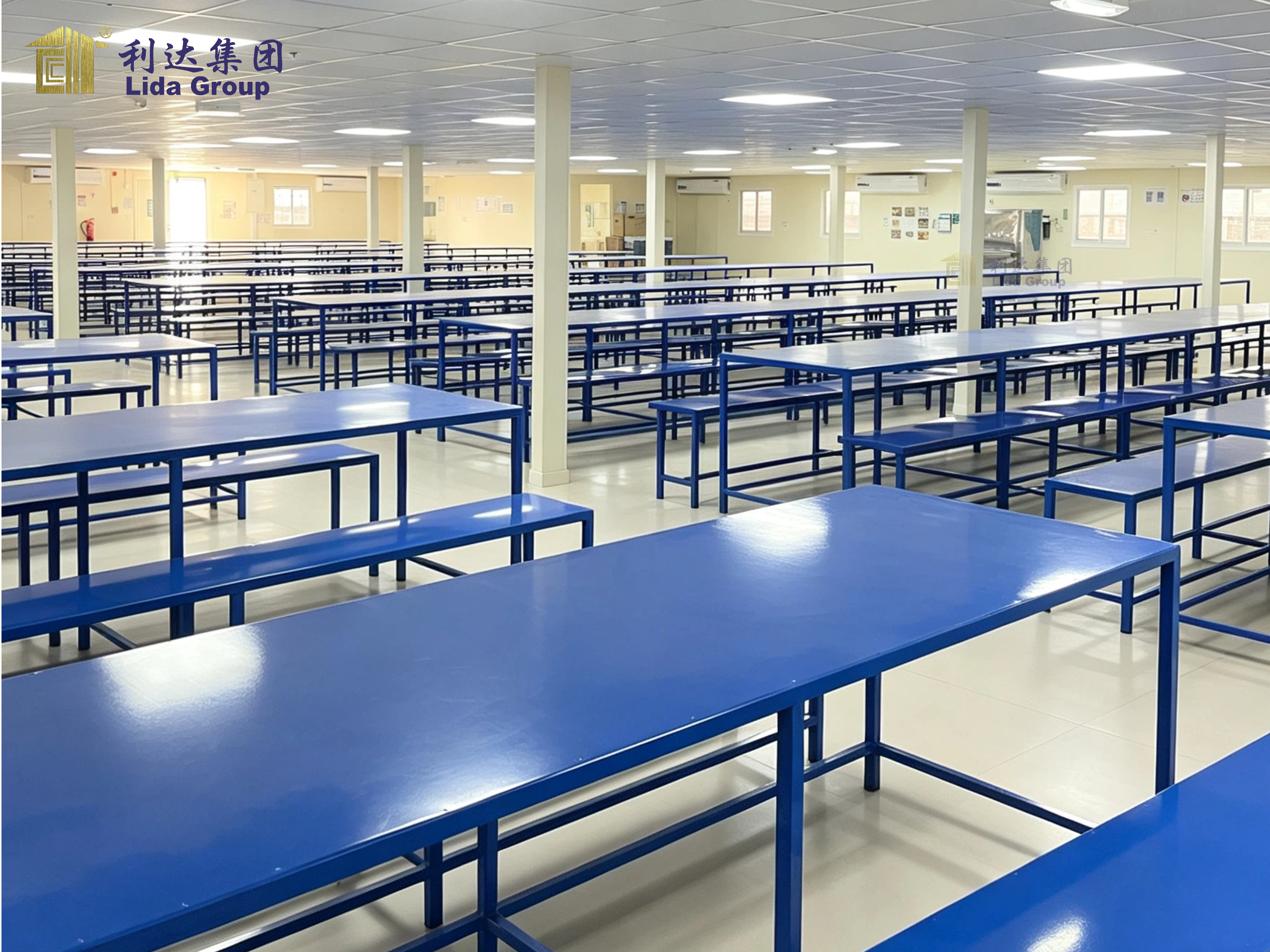
Administrative offices can be combined with meeting rooms, accommodation, dining facilities, sanitation buildings, security facilities, storage areas, and other support spaces.
Because the buildings share a modular construction philosophy, the overall site can be planned as an integrated system.
This approach can simplify project expansion and modification.
If additional personnel arrive, new accommodation or office modules can potentially be introduced. If the workforce decreases, surplus modules can potentially be relocated.
The result is a site facility system that can evolve with the project.
When Permanent Construction Makes Sense
Modular construction is not automatically the appropriate choice for every facility.
Permanent buildings may be more suitable when a facility is expected to remain in continuous use at the same location for a long period and when the project requires a highly customized permanent structure.
For example, a long-term administrative headquarters or permanent industrial facility may justify a conventional building strategy depending on its purpose and local requirements.
The decision should therefore be based on lifecycle considerations rather than the assumption that one construction method is universally superior.
For oil and gas companies, the key question is often how closely the physical facility matches the expected operational lifecycle.
If the project itself is temporary or likely to change substantially, flexibility can have significant value.
If the facility has a clearly defined permanent role, a permanent construction strategy may be appropriate.
Why Lifecycle Thinking Matters
The most useful way to compare temporary and permanent site facilities is to examine the entire lifecycle.
A conventional permanent building may provide long-term value but require a greater initial investment and longer construction period.
A modular container office may require less site construction and provide greater flexibility, but it still involves transportation, installation, maintenance, and eventual relocation or decommissioning costs.
Neither approach should be evaluated on purchase price alone.
Project managers should consider how long the facility will be needed, whether the site is permanent, how workforce requirements may change, what level of customization is required, how difficult the site is to access, and whether the facility can be reused elsewhere.
These factors determine the actual economic value of the building.
Lida Group Container Offices for Oil & Gas Applications
Lida Group provides modular and containerized building solutions designed to support different project environments.
For oil and gas applications, container offices can be configured around administrative, engineering, management, meeting, and support functions.
The modular format allows different units to be combined according to project requirements.
Lida Group’s integrated approach can also connect office facilities with other modular buildings, creating larger project camps when required.
The objective is to provide more than an individual container. It is to create a practical building system that can be manufactured, transported, installed, operated, maintained, and potentially reused as project requirements evolve.
For international projects, coordination between design, manufacturing, logistics, and site installation is particularly important.
A successful modular project depends on every stage working together.
A Strategic Approach to Project Infrastructure
The choice between temporary and permanent facilities is ultimately a project-planning decision.
Oil and gas companies and contractors need to consider not only what the building looks like after completion but also how it fits into the wider project lifecycle.
A temporary container office can provide value when speed, mobility, scalability, and reuse are important. A permanent building can provide value when long-term occupancy and fixed-site operation justify a larger construction commitment.
The important point is to match the facility strategy to the project’s actual requirements.
For projects where operational conditions change over time, modular construction can provide a degree of flexibility that conventional buildings may not offer.
This flexibility can become particularly valuable when projects operate across multiple locations.
Conclusion
For oil and gas projects, site facilities are an essential part of the infrastructure required to keep operations organized and productive. The choice between temporary and permanent construction should therefore be considered from a lifecycle perspective rather than based solely on initial construction cost.
Lida Group’s container offices offer a modular approach that can support project teams with functional, adaptable, and efficiently manufactured workspace. Factory-based production can reduce the amount of construction required on site, while modular transportation and installation can support faster project mobilization.
More importantly, the potential ROI of a container office extends beyond its initial use. A modular building may be expanded, reconfigured, relocated, or reused on future projects, allowing companies to treat site facilities as flexible assets rather than single-use structures.
For remote oil and gas developments, where logistics, time, workforce changes, and site conditions can significantly influence project costs, this flexibility can be an important consideration.
Permanent facilities will continue to have an important role where long-term occupancy and fixed-site operation justify conventional construction. However, for project-based environments where requirements evolve over time, modular container offices provide another way to align physical infrastructure with operational needs.
Ultimately, the value of a site facility is determined not simply by how quickly or cheaply it can be built, but by how effectively it supports the entire project lifecycle. By combining modular manufacturing, efficient installation, flexible layouts, and potential reuse, Lida Group container offices provide oil and gas projects with a practical building solution designed around changing operational demands.
Contact us, please click here!
Post time: Sep-29-2026