
Every mine, pipeline, or energy project has a quiet starting point: the camp. Before the first ton of ore is extracted or the first turbine spins, people must have somewhere to sleep, eat, rest, and work from. In remote regions, that accommodation cannot be rented or improvised — it must be deliberately planned, built, and managed as a system in its own right.
Getting it right is not a side task. A poorly conceived camp undermines recruitment, drains morale, and delays an operation that may already be running on a tight schedule. A well-built camp, by contrast, becomes a quiet competitive advantage — attracting skilled workers, keeping them safe and rested, and allowing the project to start and run smoothly.
This guide walks through the full process of building a temporary prefab camp for mining and energy operations: from defining what the camp must achieve, through design, procurement, delivery, and the ongoing management that keeps it fit for purpose. Each stage builds on the last, and each decision affects the cost, safety, and longevity of the whole.
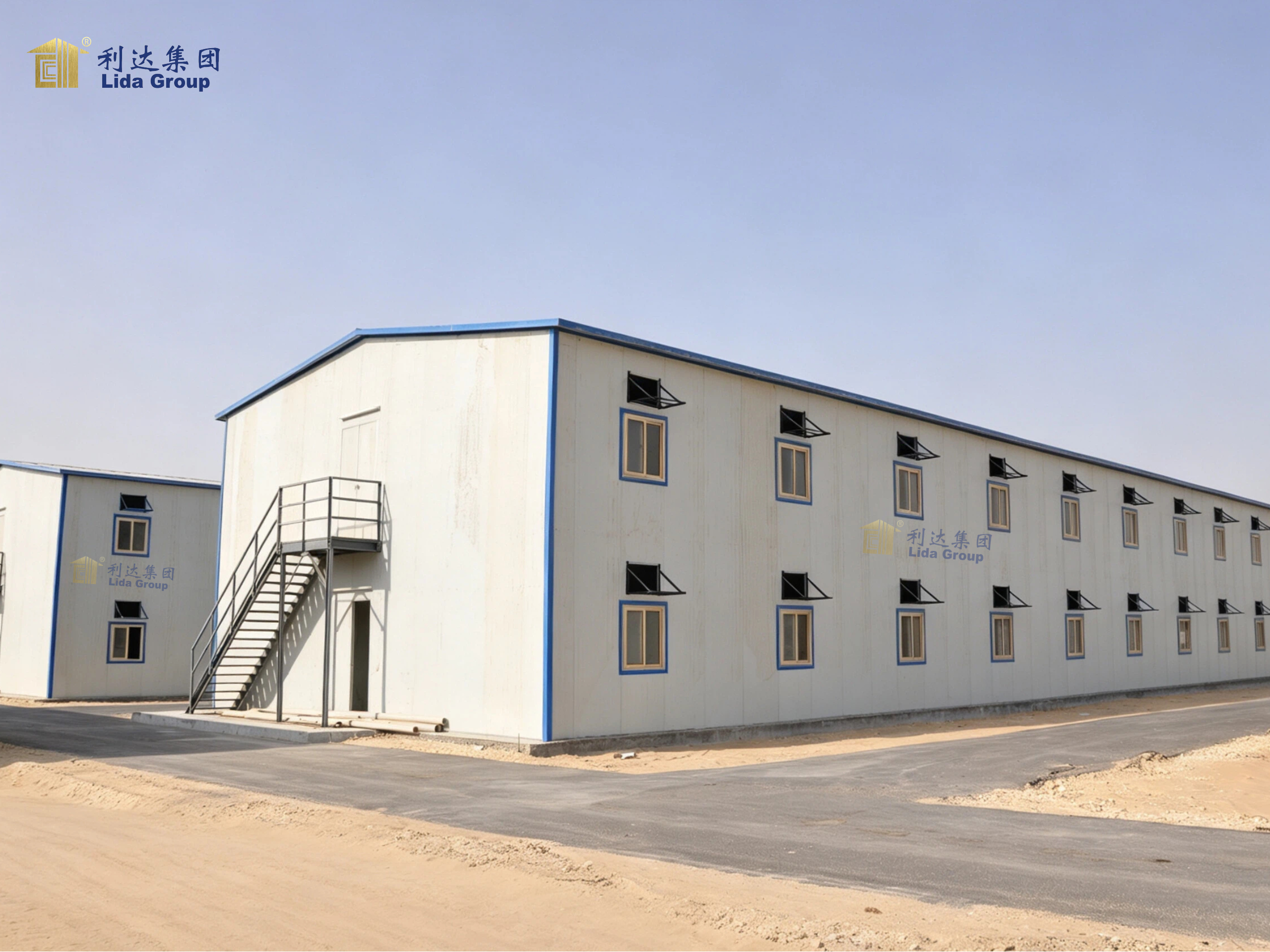
Step One: Define the Mission Before You Design
The most common mistake in camp construction is starting with buildings instead of with requirements. Before a single panel is ordered, the project team should answer a clear set of questions.
How many people will the camp house at peak? This is not necessarily the average headcount; it is the busiest period the operation will face, whether during mobilization, maintenance shutdowns, or seasonal surges. Underestimating this number is one of the fastest routes to overcrowding, discomfort, and safety problems.
What will those people need in a typical day? A camp is more than bedrooms. It requires dining, hygiene, laundry, medical care, and recreation. The balance of these facilities depends on the workforce — a large rotating crew needs different welfare provision than a small permanent team.
How long will the camp be needed? A site lasting six months and one lasting six years demand different decisions. A short deployment favors maximum reuse of standard modules; a longer one justifies more attention to comfort, durability, and the quality of finishes.
And what conditions must the buildings survive? Climate, terrain, access, and local regulation all shape the design. Answering these questions first keeps the later stages focused and prevents costly rework.
Step Two: Design with the Whole Camp in Mind
Once the requirements are clear, the design should treat the camp as a single system rather than a collection of buildings. This is where prefabrication proves its worth.
The first design decision is layout. Dormitories should be placed away from high-traffic and noisy areas, while dining and welfare facilities sit at the centre so they are equally convenient to all. Warehouses and workshops need vehicle access and should not force people to cross heavy traffic on foot. Simple, logical circulation reduces risk and makes daily life easier.
The second decision is standardization. Camps built from a limited range of standard modules are cheaper, faster, and easier to maintain. Fewer unique parts mean fewer spare-parts problems and simpler replacement. Standard modules are also easier to relocate, which matters when the camp must serve several phases of the same project.
The third is service integration. Power, water, drainage, and communications should be planned as one network, not bolted on building by building. A coherent utilities backbone costs less to install, is easier to maintain, and is less likely to fail. In remote settings, where engineers and spare parts are scarce, simplicity is a virtue in itself.
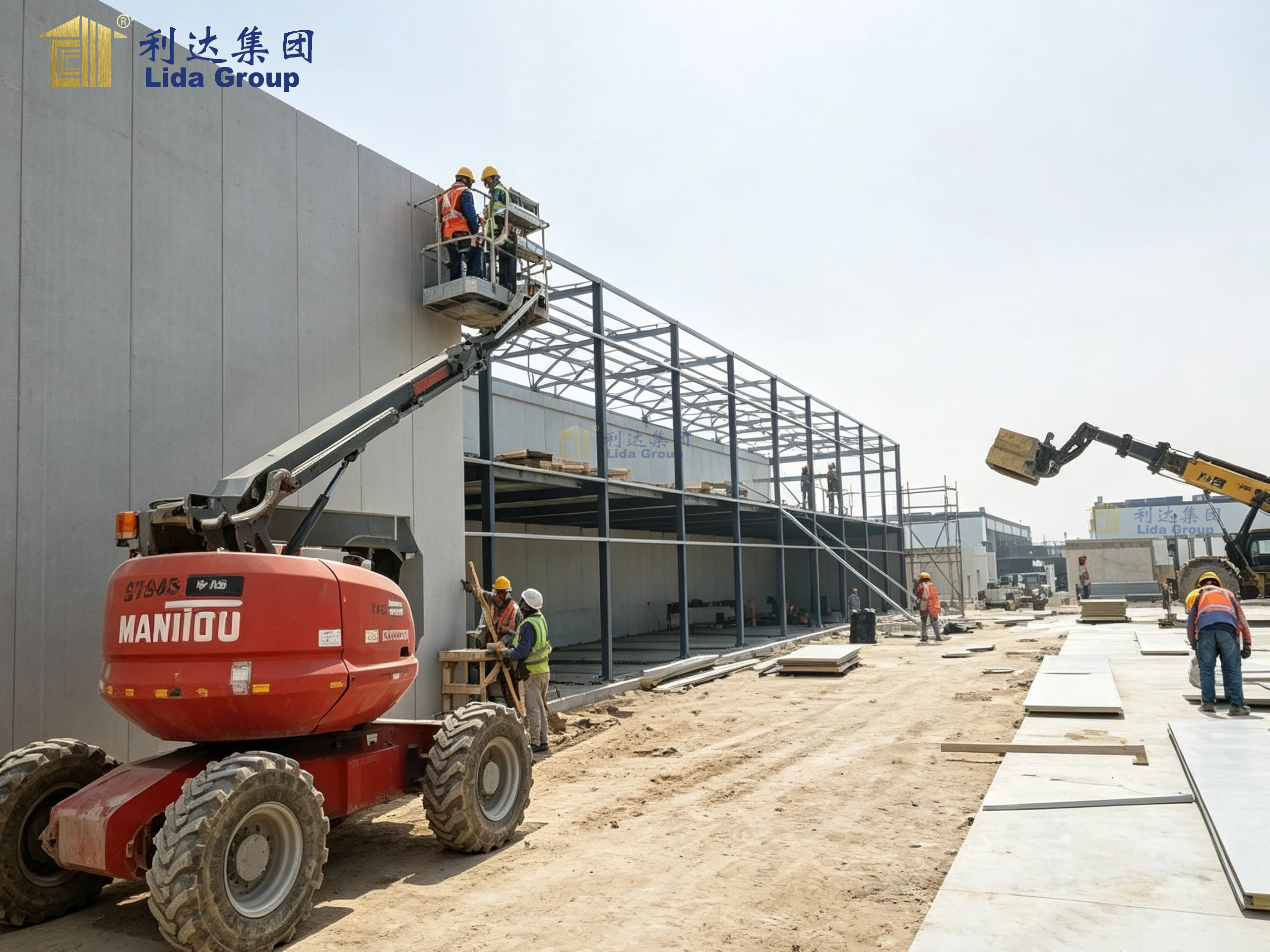
Step Three: Choose the Right Construction System
The phrase “prefab camp” covers a wide range of approaches, and the choice of system shapes everything that follows. Two broad families dominate the industry.
Panelized steel structures are built from insulated wall, floor, and roof panels assembled on site. They offer large open spans, strong resistance to wind and weather, and the durability of a steel frame. They can be sized generously and are well suited to warehouses, dining halls, and other spaces that need clear, column-free interiors.
Modular units, by contrast, arrive as complete rooms or small assemblies, largely finished in the factory and simply placed and connected on site. They are fast to install, easy to relocate, and excellent for living quarters and welfare blocks where repetition is high and speed is paramount.
Many successful camps combine both — modular units for the living and welfare buildings, panelized structures for the larger covered spaces. The guiding principle is to match the system to the function, and to prefer components that can be moved and reused across the life of the project.
Step Four: Plan Procurement and Logistics Carefully
In remote operations, procurement is not a purchasing exercise; it is an exercise in logistics. The distance between factory and site, and the reliability of the transport route, can be the single biggest risk to a camp’s schedule.
Ordering should be coordinated so that components arrive in the sequence the installation requires. Foundations and ground preparation come first, then the structures that house the largest operations, then the living and welfare modules. A camp that receives its buildings in the wrong order will sit idle while crews wait for parts.
Transport is a discipline in its own right. Modules and panels must be sized for the roads, rail, or vessels that will carry them, and protected for the journey. In harsh or remote terrain, packaging and handling become as important as the buildings themselves. Freight costs can easily exceed the cost of the components, so designing for efficient transport is not a minor detail — it is a major cost lever.
Finally, procurement should favor a single, accountable supplier. One contract, one delivery schedule, and one point of contact simplify coordination enormously. When a single partner owns the design, manufacture, and delivery, the project team is freed to focus on the operation itself rather than on managing vendors.
Step Five: Install Fast, But Never at the Expense of Safety
Installation is where the plan becomes real, and it deserves both speed and care.
Prefabrication makes rapid assembly possible precisely because the complex work has already happened in the factory. Components arrive ready to be connected, so a well-organized crew can stand up a camp in a fraction of the time that traditional construction would require. This speed is a genuine benefit in operations where every day of delay carries a cost.
But speed must never compromise safety. The same care that protects the permanent workforce applies to the installation crew. Clear procedures, proper lifting equipment, trained personnel, and site discipline prevent the accidents that can set a project back far more than a slower install ever would. Foundations must be sound, connections must be made to spec, and every completed building should be inspected before it is occupied.
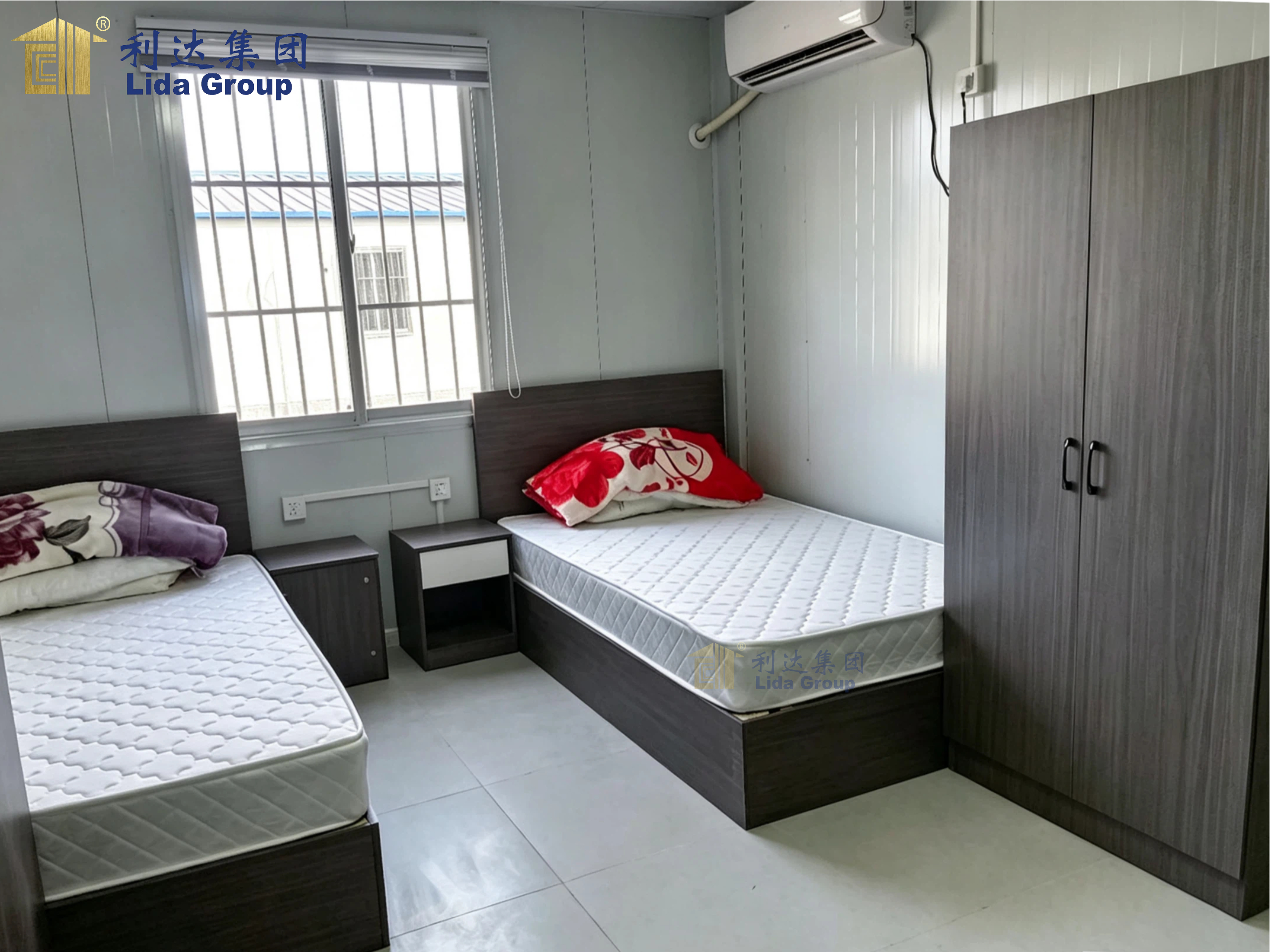
Step Six: Manage the Camp as a Living System
A camp is not finished when the last module is placed. It becomes a working environment, and how it is managed determines whether it stays fit for purpose.
Maintenance should be proactive rather than reactive. Insulated panels, sealed roofs, and climate systems need regular inspection, and small problems caught early do not become large ones. A simple schedule of checks keeps the camp safe, comfortable, and free of the creeping failures that undermine remote accommodation.
Hygiene and welfare deserve the same attention. Clean water, working sanitation, proper waste handling, and a sanitary kitchen are not optional. They protect the health of the workforce and prevent the outbreaks that can cripple a remote operation. A camp that is visibly well kept also tells workers they are valued, which pays quiet dividends in morale and retention.
Flexibility is part of good management too. Crew numbers rise and fall, and the camp should be able to grow, shrink, or rearrange as the operation dictates. Because the buildings are prefabricated and relocatable, this adaptation is possible — provided the camp was planned with it in mind from the start.
Step Seven: Plan for Decommissioning from Day One
Sustainability and economy both depend on what happens when the project ends. Too many camps are designed without thinking about their own end, and the cost of that oversight shows up at the closeout.
A relocatable camp is an asset, not an expense. Its components can be dismantled, transported, and re-erected on the next project, spreading the cost across many years of service. Planning this from the beginning — using bolted connections, reversible foundations, and transportable module sizes — makes decommissioning clean and preserves the camp’s resale value.
Equally important is leaving the land in good condition. A camp that can be removed with minimal disturbance allows the site to be restored, which matters increasingly to regulators and to the communities around operations. Responsible decommissioning is not an afterthought; it is part of running a professional operation.
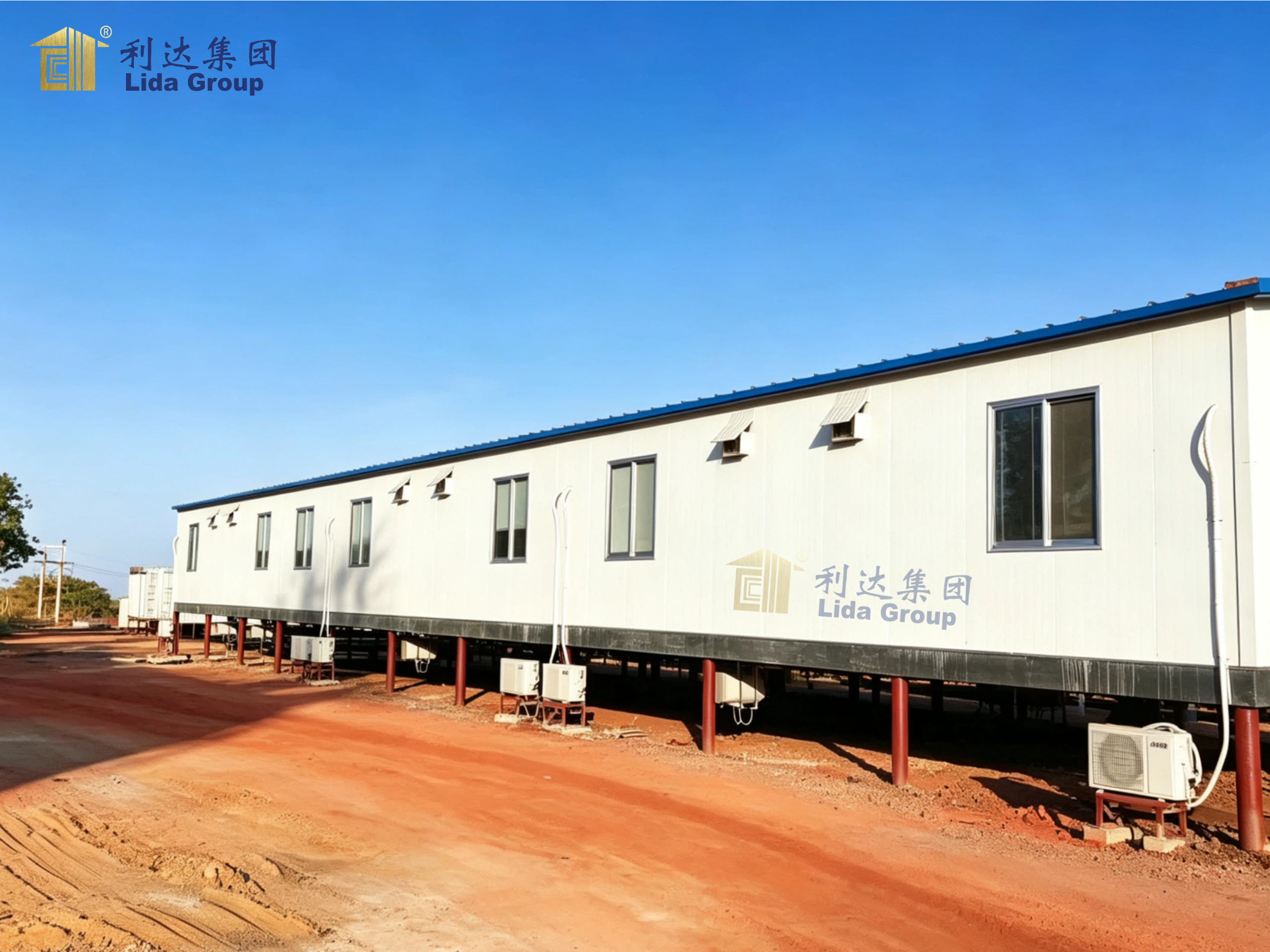
Conclusion
Building a temporary prefab camp for mining and energy operations is a genuine discipline. It begins with a clear definition of need, moves through coherent design and the right construction system, and depends on careful procurement, disciplined installation, and thoughtful ongoing management. Above all, it rewards treating the camp as a single, integrated system rather than a collection of buildings.
The principles are consistent across every stage: plan for the real requirement, prefer standardized and relocatable components, keep safety and welfare at the centre, and think about the camp’s whole life from the first sketch. When these principles are followed, the camp becomes more than shelter — it becomes a quiet foundation for the project’s success.
For operators planning their next remote deployment, the message is straightforward. The camp deserves as much planning as the operation it supports. Done well, it attracts good people, keeps them safe and productive, and serves the project faithfully from mobilization to decommissioning. Done badly, it becomes a source of cost, delay, and risk. The choice, made at the planning stage, determines which story the project tells.

Contact us, please click here!
Post time: Oct-29-2026