
Introduction
As global industries evolve and expand, the demand for efficient, sustainable, and adaptable industrial spaces has never been greater. Traditional construction methods often struggle to meet the dynamic needs of modern manufacturing and logistics. Enter Lida Group, a leader in steel structure factory buildings. By harnessing the potential of steel as a primary construction material, Lida Group is redefining the future of industrial spaces. This article explores the innovative designs, benefits, and future prospects of Lida Group’s steel structure factory buildings.
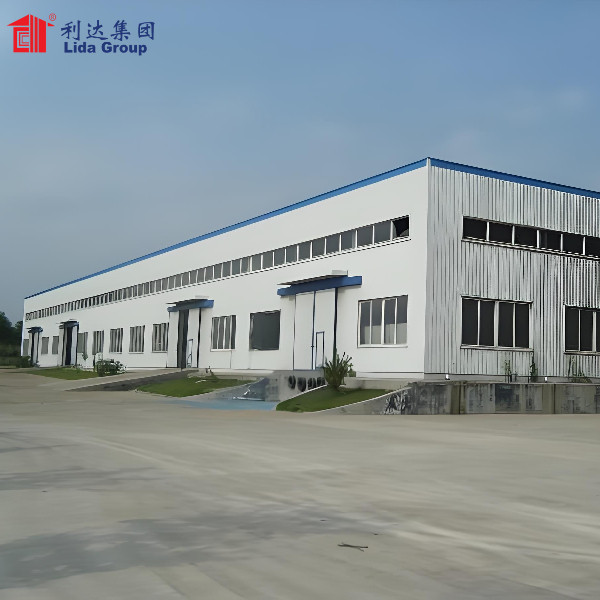
Understanding Steel Structure Factory Buildings
What Are Steel Structure Factory Buildings?
Steel structure factory buildings are industrial facilities constructed primarily with steel frameworks. This method of construction offers numerous advantages, including strength, flexibility, and cost-effectiveness. Steel structures can accommodate large spans and high ceilings, making them ideal for various industrial applications.
The Advantages of Steel Structure Factories
- Strength and Durability: Steel is inherently strong and can withstand severe weather conditions, heavy loads, and seismic activities, ensuring longevity and safety.
- Design Flexibility: Steel structures can be customized to meet specific operational needs, allowing for innovative designs that optimize space and functionality.
- Cost-Effectiveness: The efficiency of steel construction reduces labor and material costs. Additionally, steel’s durability minimizes maintenance expenses over time.
- Rapid Construction: Prefabrication of steel components allows for quicker assembly on-site, reducing overall construction time and enabling faster occupancy.
Lida Group’s Approach to Steel Structure Factory Buildings
A Commitment to Innovation
Lida Group stands at the forefront of steel structure factory building innovation. With a focus on research and development, the company continuously seeks to improve its designs and construction methods. This commitment to innovation is evident in several key areas:
- Advanced Design Technologies: Lida Group utilizes cutting-edge design software, including Computer-Aided Design (CAD) and Building Information Modeling (BIM), to create accurate and efficient factory layouts. These technologies enhance collaboration among architects, engineers, and clients.
- Sustainable Practices: Lida Group prioritizes sustainability in its construction processes. By using recyclable materials and energy-efficient systems, the company minimizes its environmental impact while delivering high-performance buildings.
- Modular Construction Techniques: The adoption of modular construction allows Lida Group to prefabricate components off-site, ensuring consistent quality and reducing on-site construction time. This approach also enables flexibility in design and layout.
Key Features of Lida Group’s Steel Structure Factory Buildings
- Large Open Spaces: Lida Group designs factory buildings with expansive open areas, allowing for seamless workflow and easy movement of machinery and materials. This design is particularly beneficial for manufacturing and assembly operations.
- High Ceilings: The use of steel allows for tall structures, making it possible to install overhead cranes and other equipment that require vertical space. High ceilings also improve ventilation and natural lighting.
- Efficient Support Systems: Lida Group incorporates advanced support systems, such as trusses and columns, that provide stability while maximizing usable space. This efficient design minimizes the need for internal walls, further enhancing layout flexibility.
- Integrated Technology: Lida Group’s factory buildings can be equipped with smart technology, including automated lighting, climate control systems, and IoT devices. These features enhance operational efficiency and improve working conditions.
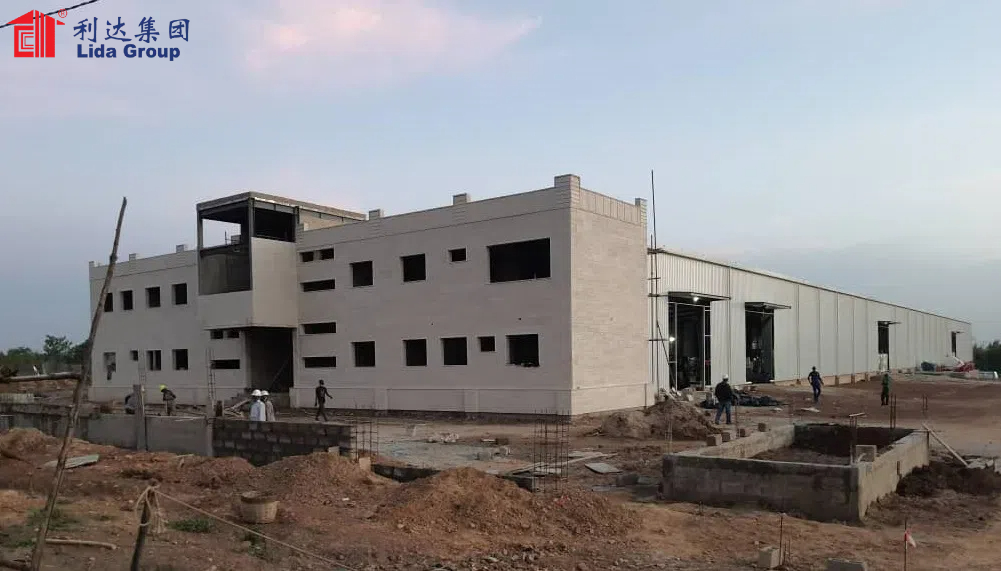
Applications of Steel Structure Factory Buildings
1. Manufacturing Facilities
Lida Group’s steel structure factory buildings are ideal for manufacturing operations across various industries, including automotive, electronics, and consumer goods. Key benefits include:
- Customizable Layouts: Factories can be tailored to specific production processes, optimizing workflow and minimizing downtime.
- Heavy Load Capacity: Steel structures can support heavy machinery and equipment, ensuring safety and operational efficiency.
2. Distribution Centers
With the rise of e-commerce, efficient distribution centers are crucial for modern logistics. Lida Group’s steel structures provide:
- Scalable Designs: As businesses grow, distribution centers can be expanded without significant structural modifications.
- Efficient Loading and Unloading Areas: The design of these facilities allows for streamlined logistics operations, improving turnaround times.
3. Research and Development Facilities
Steel structure buildings are also suitable for R&D facilities, offering:
- Flexible Space Configurations: Laboratories and testing areas can be easily reconfigured to meet evolving research needs.
- Environmentally Controlled Areas: The ability to implement advanced climate control systems enhances research accuracy and reliability.
4. Workshops and Fabrication Shops
Lida Group’s factory buildings serve as workshops and fabrication shops for various trades, including metalworking, woodworking, and assembly. Benefits include:
- Adaptable Workspaces: Workshop layouts can be customized for different processes, maximizing efficiency.
- Durable Environments: Steel structures provide a robust environment for heavy-duty tasks.
The Construction Process
1. Initial Consultation and Planning
Lida Group begins each project with a thorough consultation to understand client needs and objectives. This phase includes:
- Site Assessment: Evaluating site conditions and constraints to inform design decisions.
- Design Collaboration: Working closely with clients to develop a customized factory layout that meets operational requirements.
2. Design Development
Once the initial consultation is complete, Lida Group’s design team creates detailed plans using advanced software. Key elements of this phase include:
- 3D Modeling: Visualizing the factory layout and structure to ensure all specifications are met.
- Structural Analysis: Conducting simulations to assess the structural integrity of the design under various load conditions.
3. Prefabrication
After finalizing the design, Lida Group moves to the prefabrication stage:
- Precision Manufacturing: Steel components are fabricated off-site in a controlled environment, ensuring quality and consistency.
- Quality Assurance: Rigorous quality checks are conducted throughout the fabrication process to meet safety and performance standards.
4. On-Site Assembly
The assembly phase involves transporting prefabricated components to the construction site for installation:
- Efficient Construction: With prefabricated components, assembly is quick and minimizes disruption to the surrounding area.
- Safety Protocols: Lida Group adheres to strict safety standards during construction, ensuring a safe working environment.
Sustainability in Steel Structure Factory Buildings
1. Eco-Friendly Materials
Lida Group prioritizes the use of sustainable materials in its steel structure projects. This includes sourcing steel from suppliers committed to environmentally responsible practices.
2. Energy Efficiency
Lida Group integrates energy-efficient systems into its factory buildings, such as:
- High-Quality Insulation: Reducing energy consumption by maintaining consistent indoor temperatures.
- Renewable Energy Options: Incorporating solar panels and other renewable energy sources to minimize reliance on fossil fuels.
3. Recyclability
Steel is one of the most recycled materials in the world, and Lida Group promotes the use of recyclable steel in its structures. This commitment contributes to a circular economy and minimizes waste.
Conclusion
Lida Group’s steel structure factory buildings represent the future of industrial spaces, combining strength, flexibility, and sustainability. With a commitment to innovation and excellence, Lida Group is redefining how industries approach construction and operational efficiency.
As the demand for modern, efficient industrial spaces continues to rise, Lida Group is poised to lead the way in delivering high-quality steel structure solutions that meet the evolving needs of businesses worldwide. With a focus on sustainability, advanced technology, and customer-centric design, the future of industrial spaces looks brighter than ever.
Contact Us
Post time: Oct-12-2024