
Introduction
As the global economy continues to evolve, the demand for efficient and sustainable warehousing solutions has never been greater. With the rise of e-commerce and global supply chains, warehouses are becoming increasingly vital in meeting consumer needs. However, the traditional methods of warehouse construction often come with significant environmental costs. This is where steel structures emerge as a sustainable alternative. This article explores the role of steel structures in sustainable warehouse construction, focusing on their benefits, design principles, and future trends.
Understanding Sustainable Warehouse Construction
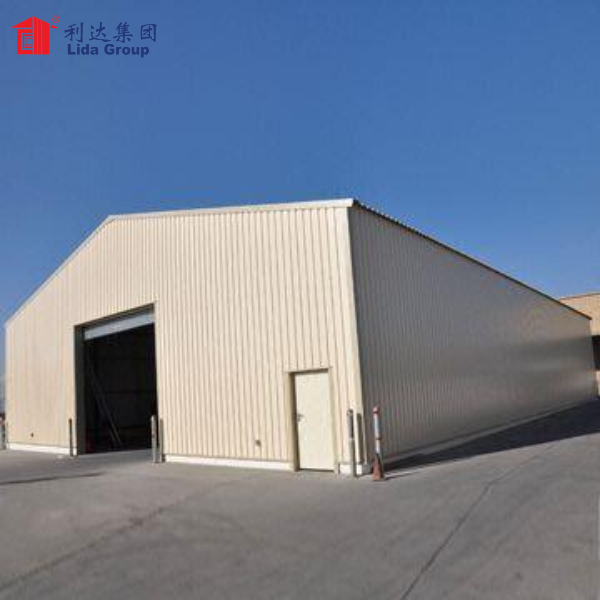
What is Sustainable Warehouse Construction?
Sustainable warehouse construction refers to building practices that minimize environmental impact while maximizing efficiency and usability. Key principles include:
- Resource Efficiency: Using materials that are sustainable, recyclable, or have low environmental impact.
- Energy Efficiency: Designing warehouses that reduce energy consumption through efficient systems and renewable energy sources.
- Waste Reduction: Minimizing waste generated during construction and throughout the building’s lifecycle.
- Indoor Environmental Quality: Ensuring that the indoor environment is healthy and conducive to productivity.
The Importance of Sustainability in Warehousing
The warehousing sector significantly contributes to carbon emissions, energy consumption, and waste generation. Implementing sustainable practices not only mitigates these impacts but also aligns with the increasing regulatory pressures and consumer expectations for environmentally responsible operations.
The Advantages of Steel Structures
1. Strength and Durability
Steel is known for its exceptional strength-to-weight ratio, making it an ideal material for warehouse construction.
- Longevity: Steel structures can last for decades with minimal maintenance, reducing the need for frequent replacements and repairs.
- Resilience: Steel is resistant to many environmental factors, including pests, rot, and extreme weather conditions, which enhances the durability of the warehouse.
2. Recyclability
One of the most significant advantages of steel is its recyclability.
- Closed-Loop Recycling: Steel can be recycled continuously without losing its properties, making it a sustainable choice for construction.
- Reduced Waste: Utilizing recycled steel in construction reduces the demand for new raw materials, leading to lower environmental impact.
3. Energy Efficiency
Steel structures can be designed to enhance energy efficiency in several ways:
- Insulation: Proper insulation can significantly reduce heating and cooling demands, leading to lower energy costs.
- Natural Light Utilization: Large steel-framed windows and skylights can maximize natural lighting, reducing the need for artificial lighting during the day.
4. Design Flexibility
Steel structures offer unparalleled design flexibility, allowing for customized solutions tailored to specific operational needs.
- Open Floor Plans: Steel allows for large, unobstructed spaces, which can be advantageous for storage and logistics operations.
- Modular Designs: Steel components can be prefabricated, making it easier to expand or reconfigure the warehouse as business needs change.
5. Quick Construction
The prefabrication of steel components allows for rapid construction timelines.
- Reduced Construction Time: Steel structures can be erected more quickly than traditional materials, allowing businesses to begin operations sooner.
- Minimized Disruption: Faster construction reduces the time spent on-site, minimizing disruption to surrounding environments and communities.
Design Principles for Sustainable Steel Structure Warehouses
1. Efficient Use of Materials
Sustainable warehouse design emphasizes the efficient use of materials to minimize waste.
- Optimized Design: Using advanced software tools, architects can create designs that use materials efficiently, ensuring minimal waste during construction.
- Standardized Components: Utilizing standardized steel components can reduce the amount of waste generated during fabrication.
2. Renewable Energy Integration
Incorporating renewable energy sources into warehouse design is a crucial aspect of sustainability.
- Solar Panels: Installing solar panels on the roof of steel warehouses can significantly reduce energy costs and reliance on fossil fuels.
- Energy Storage Systems: Integrating energy storage solutions allows warehouses to store excess energy generated from renewable sources for later use.
3. Water Conservation
Sustainable warehouses should also focus on water conservation strategies.
- Rainwater Harvesting: Steel structures can be designed to collect rainwater, which can be used for irrigation or non-potable applications within the warehouse.
- Efficient Plumbing Systems: Implementing water-efficient fixtures and systems can significantly reduce water consumption.
4. Indoor Environmental Quality
The design of steel warehouses should prioritize indoor environmental quality to ensure a healthy working environment.
- Ventilation Systems: Proper ventilation systems can improve air quality, making the workspace more comfortable and productive for employees.
- Use of Non-Toxic Materials: Selecting non-toxic finishes and materials reduces harmful emissions and contributes to a healthier indoor environment.
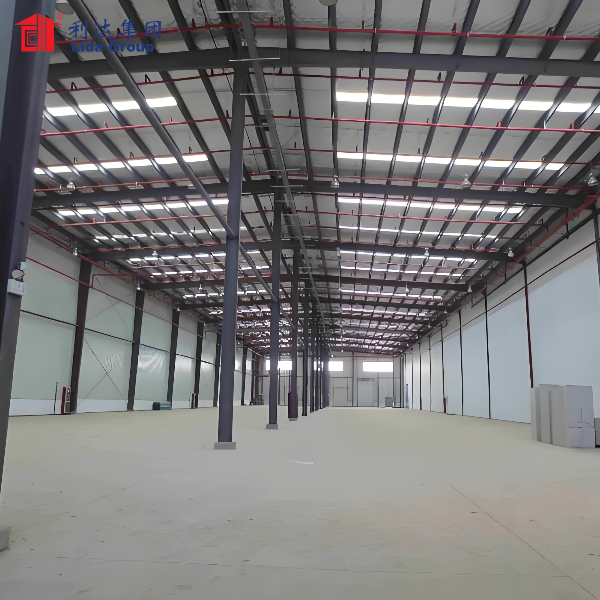
Applications of Steel Structures in Sustainable Warehouses
1. E-Commerce Fulfillment Centers
With the rapid growth of e-commerce, fulfillment centers are essential for managing inventory and ensuring timely deliveries.
Features and Benefits
- High-Capacity Storage: Steel structures allow for high ceilings and flexible racking systems, maximizing storage capacity.
- Energy Efficiency: The integration of energy-efficient technologies, such as LED lighting and HVAC systems, reduces operational costs.
Case Study: Major E-Commerce Warehouse
A leading e-commerce company partnered with Lida Group to design a sustainable warehouse that included:
- Automated Systems: The facility featured automated picking and sorting systems, enhancing efficiency and reducing labor costs.
- Green Certifications: The building achieved LEED certification, highlighting its commitment to sustainability.
2. Cold Storage Facilities
Cold storage warehouses are vital for preserving perishable goods.
Features and Benefits
- Insulated Steel Panels: Steel structures can be designed with insulated panels that maintain optimal temperatures, reducing energy consumption.
- Durability: Steel’s resistance to moisture and pests makes it ideal for cold storage applications.
Case Study: Food Distribution Center
A food distribution company required a new cold storage facility. Lida Group designed a steel structure that included:
- Energy-Efficient Refrigeration: The facility utilized energy-efficient refrigeration systems to minimize energy usage.
- Sustainable Practices: The design incorporated rainwater harvesting and energy-efficient lighting.
3. Agricultural Warehouses
Agricultural warehouses play a crucial role in the storage and distribution of agricultural products.
Features and Benefits
- Weather Resistance: Steel structures are built to withstand harsh weather conditions, protecting valuable goods.
- Flexible Use: The open design allows for versatile uses, from storage to processing.
Case Study: Grain Storage Facility
A local farmer needed a new grain storage facility. Lida Group designed a steel structure that featured:
- Large Open Spaces: The design maximized storage capacity while allowing for easy access to stored grains.
- Sustainable Materials: The facility utilized recycled steel and other sustainable materials in its construction.
4. Manufacturing Warehouses
Manufacturing warehouses require significant space for machinery and workflows.
Features and Benefits
- Heavy Machinery Support: Steel structures provide the necessary support for heavy manufacturing equipment.
- Efficient Layouts: Customizable layouts enhance workflow efficiency, reducing production time.
Case Study: Automotive Manufacturing Plant
An automotive manufacturer sought to expand its production capabilities. Lida Group designed a steel structure workshop that included:
- Optimized Production Lines: The layout was designed for optimal workflow, reducing bottlenecks and improving efficiency.
- Energy Efficient Systems: The facility integrated energy-efficient lighting and HVAC systems, significantly lowering operational costs.
Challenges in Sustainable Steel Structure Construction
1. Initial Costs
While steel structures offer long-term benefits, the initial costs can be higher compared to traditional materials.
- Material Prices: Fluctuating steel prices can impact project budgets and timelines, making financial planning essential.
- Fabrication Costs: Advanced fabrication techniques may require higher upfront investments.
2. Technical Expertise
Designing and constructing sustainable steel structures requires specialized knowledge and skills.
- Engineering Expertise: Structural engineers must have a deep understanding of steel design principles and sustainability practices.
- Skilled Labor: Skilled labor is necessary for the fabrication and assembly of steel components, which can be a challenge in some regions.
3. Environmental Concerns
While steel is recyclable, its production has environmental impacts that must be addressed.
- Carbon Footprint: Steel manufacturing can be energy-intensive and contribute to greenhouse gas emissions.
- Sustainable Practices: Emphasizing recycling and sustainable practices in steel production is crucial for reducing environmental impact.
Future Trends in Sustainable Steel Structure Warehousing
1. Technological Innovations
The future of sustainable steel structure warehouses will be shaped by continued technological advancements.
- Building Information Modeling (BIM): BIM allows for better visualization and planning of steel structures, enhancing collaboration among architects, engineers, and contractors.
- Smart Technologies: Integrating IoT devices and automation will enhance energy management, safety, and operational efficiency.
2. Increased Focus on Sustainability
As sustainability becomes a priority in construction, the steel industry is adapting.
- Green Steel Production: Innovations in the production of steel, such as using renewable energy sources and recycling, will reduce the environmental impact.
- Life Cycle Assessment: Assessing the life cycle of steel structures will help identify opportunities for improvement in sustainability.
3. Global Market Trends
The demand for sustainable steel structure warehouses is expected to grow globally.
- Emerging Markets: Developing countries are increasingly adopting steel structures for their affordability and speed of construction.
- Diverse Applications: As industries evolve, the applications for steel structures will expand, further driving demand.
Conclusion
Steel structures play a pivotal role in the evolution of sustainable warehouse construction. Their strength, durability, and recyclability make them an ideal choice for meeting the growing demands of various industries while minimizing environmental impact. Lida Group’s commitment to innovative design, energy efficiency, and sustainability positions it as a leader in this space.
As the warehousing sector continues to adapt to changing market dynamics and environmental considerations, the integration of steel structures will remain at the forefront of sustainable construction practices. By investing in these solutions, businesses can enhance their operational efficiency, reduce costs, and contribute to a more sustainable future. The role of steel structures in sustainable warehouse construction is not just an option; it is a necessity for the future of the industry.
Contact Us
Post time: Nov-29-2024