
Introduction
Disasters, whether natural or man-made, can disrupt communities, leaving behind destruction and disarray. In the aftermath of such events, providing immediate and effective shelter is critical to supporting displaced populations. Traditional relief efforts often struggle with logistics and the speed of deployment, highlighting the need for innovative housing solutions. Camp container houses, constructed from repurposed shipping containers, have emerged as a versatile and efficient option for disaster relief. This article explores the various applications, benefits, and future potential of camp container houses in disaster response scenarios.
Understanding Camp Container Houses
What Are Camp Container Houses?
Camp container houses are prefabricated structures made from shipping containers that have been modified for various uses, including temporary housing. These containers are durable, weather-resistant, and easily transportable, making them ideal for rapid deployment in disaster-stricken areas. They can be outfitted with essential amenities such as electricity, plumbing, and insulation, transforming them into comfortable living spaces.
Key Features
- Durability: Made from steel, container houses are resistant to environmental stresses such as wind, water, and pests.
- Modular Design: Their modular nature allows for easy stacking and configuration, enabling the creation of larger accommodations as needed.
- Rapid Deployment: Camp container houses can be transported and assembled quickly, addressing urgent housing needs in disaster situations.
The Need for Effective Disaster Relief Solutions
Challenges in Disaster Response
Disaster response teams face several challenges when providing shelter:
- Speed of Deployment: The immediate aftermath of a disaster requires rapid response to ensure that displaced individuals have a safe place to stay.
- Resource Scarcity: Limited availability of local resources can hinder traditional construction efforts, making it difficult to provide adequate housing.
- Logistical Complexities: Transporting materials and personnel to affected areas can be logistically challenging, particularly in remote or damaged locations.
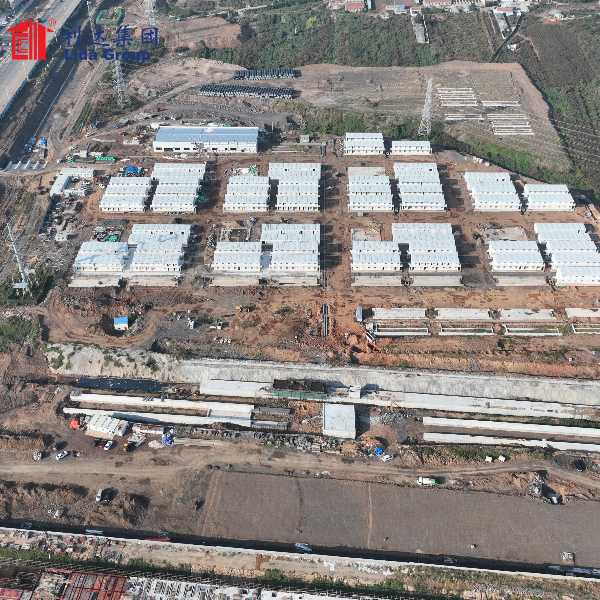
The Role of Camp Container Houses
Camp container houses address many of these challenges by offering a quick, efficient, and effective housing solution. Their design and construction allow for streamlined logistics and rapid setup, making them a valuable asset in disaster relief efforts.
Benefits of Camp Container Houses in Disaster Relief
1. Speed and Efficiency
One of the most critical benefits of camp container houses is their ability to be deployed rapidly:
- Quick Setup: Container houses can be assembled on-site within days, providing immediate shelter for those in need.
- Pre-Configured Units: Many container houses come pre-equipped with essential amenities, reducing the time required for setup and ensuring that displaced individuals have immediate access to basic necessities.
2. Cost-Effectiveness
In disaster relief, budget constraints are often a factor:
- Lower Construction Costs: Utilizing repurposed shipping containers significantly reduces material costs compared to traditional building methods.
- Reduced Labor Costs: The prefabricated nature of container houses minimizes the need for extensive on-site labor, further lowering overall expenses.
3. Flexibility and Adaptability
Camp container houses can be customized to meet various needs:
- Modular Configurations: Their modular design allows for different layouts, accommodating families, individuals, or larger groups.
- Multi-Functional Use: Container houses can serve various purposes, including living quarters, medical facilities, and community centers, depending on the needs of the affected population.
4. Durability and Safety
Safety is paramount in disaster situations:
- Weather Resistance: Container houses are designed to withstand harsh weather conditions, providing a safe shelter from elements such as rain, wind, and extreme temperatures.
- Pest Resistance: The steel construction prevents infestations, contributing to a healthier living environment for occupants.
5. Environmental Sustainability
Sustainability is increasingly important in disaster response:
- Recycling and Repurposing: Using shipping containers promotes recycling and reduces waste, aligning with environmentally friendly practices.
- Energy Efficiency: Container houses can be designed with energy-efficient features, such as insulation and solar panels, minimizing their environmental impact.
Applications of Camp Container Houses in Disaster Relief
1. Emergency Shelter
In the immediate aftermath of a disaster, providing emergency shelter is crucial:
- Rapid Response Units: Camp container houses can be deployed quickly to serve as temporary emergency shelters for displaced individuals and families, providing a safe haven during crises.
- Community Resilience: By offering shelter, container houses help restore a sense of community and stability, which is essential for recovery.
2. Medical Facilities
In disaster scenarios, access to healthcare is often compromised:
- Mobile Clinics: Container houses can be transformed into mobile clinics, providing essential medical services to affected populations.
- Isolation Units: They can also be used as isolation units for patients, helping to manage public health concerns in crowded disaster relief settings.
3. Education and Training Centers
Education is a vital component of recovery:
- Temporary Schools: Container houses can serve as temporary classrooms, allowing children to continue their education even in the aftermath of a disaster.
- Training Facilities: They can also be used for training programs aimed at equipping individuals with skills necessary for rebuilding their communities.
4. Community Centers
Fostering community connections is crucial for recovery:
- Support Services: Container houses can function as community centers, providing a space for support services, counseling, and social activities.
- Resource Distribution: They can serve as hubs for distributing food, clothing, and other essential supplies to those in need.
5. Long-Term Housing Solutions
In some cases, disasters result in prolonged displacement:
- Transitional Housing: Camp container houses can serve as transitional housing for individuals and families while more permanent solutions are developed.
- Resilient Communities: They can be integrated into long-term recovery plans, promoting resilient communities that are better prepared for future disasters.
Case Studies: Successful Implementations
1. Hurricane Relief in the Caribbean
In the aftermath of a devastating hurricane in the Caribbean, camp container houses were deployed to provide immediate shelter for thousands of displaced individuals. The rapid assembly of these units allowed for swift relief efforts, with container houses serving as both emergency shelters and community centers. The initiative not only provided essential housing but also fostered community resilience, helping residents regain a sense of normalcy.
2. Earthquake Response in Nepal
Following the 2015 earthquake in Nepal, international aid organizations utilized camp container houses to address the urgent housing needs of affected populations. These structures were deployed quickly to remote areas, offering safe and durable shelter. The flexibility of container houses allowed for various configurations, accommodating families and larger groups, while also serving as temporary medical facilities and community gathering spaces.
3. Refugee Camps in the Middle East
In response to ongoing conflicts in the Middle East, camp container houses have been utilized in refugee camps to provide temporary housing for displaced families. The modular design allows for easy expansion as more refugees arrive, ensuring that everyone has access to shelter. Additionally, container houses have been equipped with essential amenities, improving the living conditions for those seeking safety and security.
Overcoming Challenges in Implementing Camp Container Houses
1. Regulatory Compliance
Navigating local regulations can be a challenge for disaster response teams:
- Understanding Local Codes: It is essential to understand local building codes and zoning regulations related to temporary housing.
- Engagement with Authorities: Early communication with local authorities can facilitate the approval process and ensure compliance with necessary regulations.
2. Initial Investment Costs
While camp container houses offer long-term savings, initial investment costs can be a concern:
- Funding and Donations: Securing funding through donations or partnerships is crucial for implementing container house projects in disaster-affected areas.
- Long-Term Benefits: Emphasizing the long-term economic and environmental benefits can help stakeholders recognize the value of investing in container houses.
3. Public Perception
There may be misconceptions about the quality and effectiveness of container houses:
- Education and Outreach: Providing educational resources and outreach programs can help raise awareness about the benefits of container housing in disaster relief.
- Showcasing Success Stories: Highlighting successful implementations can build trust and enthusiasm among potential users and stakeholders.
The Future of Camp Container Houses in Disaster Relief
1. Technological Advancements
As technology continues to evolve, camp container houses will likely benefit from new innovations:
- Smart Features: The integration of smart technologies, such as IoT devices for monitoring environmental conditions and resource usage, can enhance the functionality of container houses.
- Sustainable Materials: The development of new sustainable materials and construction techniques will further improve the environmental impact of container houses.
2. Growing Demand for Rapid Housing Solutions
The increasing frequency of natural disasters will drive the demand for efficient housing solutions:
- Global Preparedness Initiatives: As communities recognize the importance of disaster preparedness, the adoption of container houses for rapid response will likely grow.
- Urbanization Trends: The need for housing solutions in urban areas affected by disasters will position container houses as a preferred option.
3. Expansion into New Markets
The versatility of camp container houses makes them suitable for various regions and applications:
- Emerging Markets: Developing countries may increasingly adopt container housing solutions to address housing shortages and improve living conditions in disaster-prone areas.
- Diverse Applications: The adaptability of container houses allows for their use in various sectors, including humanitarian aid, military operations, and urban development.
Conclusion
Camp container houses represent a transformative approach to disaster relief, offering a versatile, cost-effective, and rapid housing solution. Their durability, adaptability, and environmental sustainability make them an ideal choice for providing shelter in the aftermath of disasters. As global challenges related to climate change and population displacement continue to grow, the importance of innovative housing solutions like container houses will only increase.
By embracing the potential of camp container houses, disaster response teams can enhance their ability to provide immediate and effective shelter for those in need. The future of disaster relief lies in the ability to adapt and respond quickly to changing circumstances, and camp container houses stand out as a practical choice for achieving these goals. In a world where disasters are becoming more frequent and severe, investing in versatile housing solutions is essential for building resilient communities and ensuring the well-being of those affected.
Contact Us
Post time: Oct-21-2024