
Introduction
In the rapidly evolving landscape of modern work environments, flexibility and adaptability have become paramount. As businesses seek innovative solutions to meet the demands of a dynamic workforce, office containers have emerged as a viable and sustainable option. These modular structures, repurposed from shipping containers, offer a range of benefits that cater to the needs of contemporary organizations. This article explores the concept of office containers, their design features, advantages, applications, and the future of workspaces.
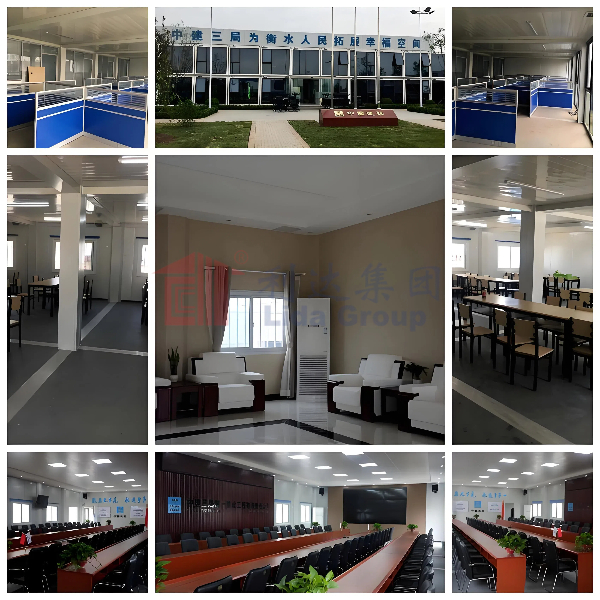
Understanding Office Containers
What Are Office Containers?
Office containers are portable, modular structures created from shipping containers that have been adapted for use as office spaces. These containers can be modified and designed to meet specific requirements, providing functional and aesthetically pleasing environments for various business needs. From individual workstations to collaborative spaces, office containers can be customized to suit different organizational cultures and workflows.
The Evolution of Workspaces
The traditional office layout, characterized by fixed desks and cubicles, is increasingly being replaced by more flexible and collaborative spaces. This shift is driven by the need for better communication, creativity, and employee satisfaction. Office containers align with this evolution, offering adaptable solutions that can be easily reconfigured or relocated as needed.
Design Features of Office Containers
Customization
One of the primary advantages of office containers is their high degree of customization. Businesses can design their office spaces to reflect their brand identity and culture. This includes choosing layouts, colors, finishes, and amenities that foster a productive work environment. Lida Group, a leader in container solutions, emphasizes the importance of personalization in their designs.
Modular Construction
Office containers are inherently modular, allowing for easy expansion or reconfiguration. Companies can start with a single container and add more units as their needs grow. This scalability is particularly beneficial for startups and small businesses that may require additional space in the future.
Sustainability
Sustainability is a core principle in the design of office containers. By repurposing shipping containers, companies contribute to reducing waste and minimizing environmental impact. Many office containers also incorporate energy-efficient features, such as insulation, solar panels, and energy-efficient windows, further enhancing their sustainability.
Mobility
The mobility of office containers is a significant benefit for businesses that require flexibility in their workspace. These structures can be relocated to different sites with relative ease, making them ideal for companies involved in construction, events, or temporary projects. This adaptability allows businesses to respond quickly to changing circumstances.
Benefits of Office Containers
Cost-Effectiveness
Office containers offer a more affordable alternative to traditional office spaces. The reduced construction costs associated with repurposed materials and the speed of assembly lead to significant savings. Companies can invest the resources saved into other critical areas, such as technology or employee development.
Speed of Construction
The speed at which office containers can be deployed is one of their most appealing features. Unlike traditional construction methods, which can take months or even years, office containers can be assembled and made operational within weeks. This rapid deployment is particularly beneficial for businesses in urgent need of office space.
Flexibility in Layout
The customizable nature of office containers allows businesses to design their workspaces according to their specific needs. From open-plan layouts that encourage collaboration to private offices for focused work, companies can create environments that enhance productivity and employee satisfaction.
Improved Employee Satisfaction
Modern workers prioritize flexibility and the ability to shape their work environment. Office containers can be designed to include amenities such as breakout areas, meeting rooms, and outdoor spaces, contributing to a positive workplace culture. This focus on employee experience can lead to higher retention rates and increased productivity.
Applications of Office Containers
Temporary Workspaces
Office containers are ideal for temporary workspaces, such as construction sites or event locations. They can be quickly set up to provide essential office facilities, including meeting rooms, rest areas, and administrative support. Their mobility allows companies to adapt to various project demands seamlessly.
Startups and Small Businesses
For startups and small businesses with limited budgets, office containers offer an affordable solution for establishing a professional workspace. The customizable nature of these structures allows for a unique branding experience, while their cost-effectiveness enables companies to allocate funds to growth initiatives.
Remote and Flexible Work Models
As remote work becomes more prevalent, office containers can serve as satellite offices or co-working spaces. Businesses can create decentralized work environments that allow employees to collaborate in person while still maintaining flexibility. This model fosters innovation and creativity, as teams can work together in a dynamic setting.
Educational Institutions
Office containers are increasingly being utilized in educational settings, providing temporary classrooms, administrative offices, or recreational spaces. Their adaptability and quick setup make them suitable for institutions facing space constraints or undergoing renovations.
Case Studies of Successful Office Container Implementations
Case Study 1: Construction Site Office
A leading construction company required a temporary office solution for a large project. They turned to office containers, which were customized to include meeting rooms, workstations, and break areas. The setup was completed in just a few weeks, allowing the team to begin operations without delay. The mobility of the containers also enabled them to relocate as the project progressed.
Case Study 2: Startup Incubator
A startup incubator sought to create an innovative workspace for emerging businesses. They opted for a series of interconnected office containers, designed to encourage collaboration among entrepreneurs. The vibrant design and flexible layout fostered a sense of community, resulting in increased networking opportunities and business development.
Case Study 3: Educational Facility
A school facing overcrowding turned to office containers to create additional classroom spaces. The containers were outfitted with modern amenities and technology, providing a conducive learning environment. The quick installation allowed the school to accommodate more students without significant disruption.
Challenges and Considerations
Regulatory Compliance
While office containers offer many advantages, navigating local building codes and regulations can be challenging. It is essential for businesses to work closely with local authorities to ensure compliance with zoning laws and safety standards.
Public Perception
Despite their growing popularity, some individuals may still harbor misconceptions about the quality and safety of container offices. Educating stakeholders about the benefits and design possibilities of office containers is crucial for overcoming these barriers.
Market Competition
As the demand for office containers increases, competition among manufacturers and providers intensifies. Businesses must choose reputable suppliers that prioritize quality, design, and customer service to ensure a satisfactory experience.
Future Trends in Office Containers
Increased Demand for Flexibility
As the nature of work continues to evolve, the demand for flexible office solutions will grow. Office containers, with their adaptability and modular design, will become increasingly appealing to businesses seeking to create dynamic work environments.
Integration of Technology
The integration of technology into office containers will enhance their functionality. Smart office features, such as automated lighting, climate control, and connectivity solutions, will become standard, providing a seamless and efficient working experience.
Sustainable Practices
The focus on sustainability will drive innovations in office container design. Companies will increasingly prioritize eco-friendly materials and energy-efficient systems, aligning their operations with global sustainability goals.
Global Expansion
As awareness of office containers spreads, there will be opportunities for global expansion. Companies can leverage these structures to address housing and workspace challenges in various regions, providing innovative solutions to meet local needs.
Conclusion
Office containers represent a transformative solution for modern work environments, offering flexibility, sustainability, and cost-effectiveness. As businesses navigate the complexities of a changing workforce, the benefits of office containers will become increasingly apparent. With their customizable designs and rapid deployment capabilities, these structures are poised to play a significant role in shaping the future of workspaces.
By embracing the potential of office containers, organizations can create dynamic environments that foster collaboration, innovation, and employee satisfaction. As the demand for adaptable workspaces continues to rise, office containers will undoubtedly become a staple in the evolving landscape of modern business.
Contact Us
Post time: Aug-29-2024