
Introduction
In an increasingly mobile and dynamic work environment, the traditional office setup is evolving. Versatile office containers are emerging as a practical solution for businesses seeking flexibility, efficiency, and modern amenities. These portable workspaces are not only cost-effective but also designed to enhance productivity across various industries. This article explores the concept of office containers, their benefits, applications, and the future of mobile workspaces.
Understanding Office Containers
What Are Office Containers?
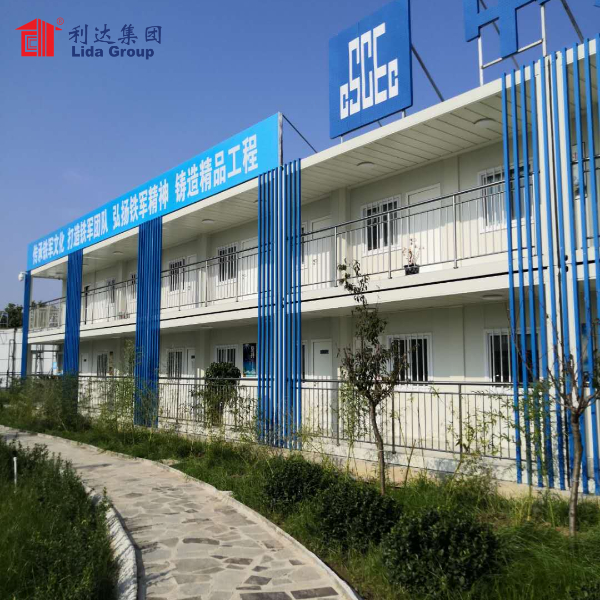
Office containers are modified shipping containers repurposed to serve as functional office spaces. They can be equipped with essential amenities such as electricity, lighting, air conditioning, and furniture. These structures offer a modern alternative to traditional office buildings, providing an adaptable workspace that can be relocated as needed.
The Evolution of Workspace Solutions
The rise of remote work, along with the demand for flexible office solutions, has driven innovation in workspace design. Traditional offices often struggle to meet the needs of a mobile workforce. Office containers address this challenge by offering a versatile solution that can be deployed in various locations, from construction sites to urban centers.
Benefits of Office Containers
Flexibility and Mobility
One of the primary advantages of office containers is their mobility. Businesses can easily relocate these units to different sites without significant disruption. This flexibility allows companies to respond quickly to changing project requirements or market conditions.
Cost-Effectiveness
Setting up a traditional office can be expensive, involving rent, utilities, and maintenance costs. Office containers present a more affordable alternative. They typically require lower initial investments and can be customized to fit specific budgets and needs. Additionally, their modular nature allows for scalability as a business grows.
Quick Setup and Deployment
Office containers can be rapidly assembled and deployed, minimizing downtime. This speed is particularly beneficial for companies that need to establish a workspace quickly, such as construction firms or organizations responding to emergencies.
Customization Options
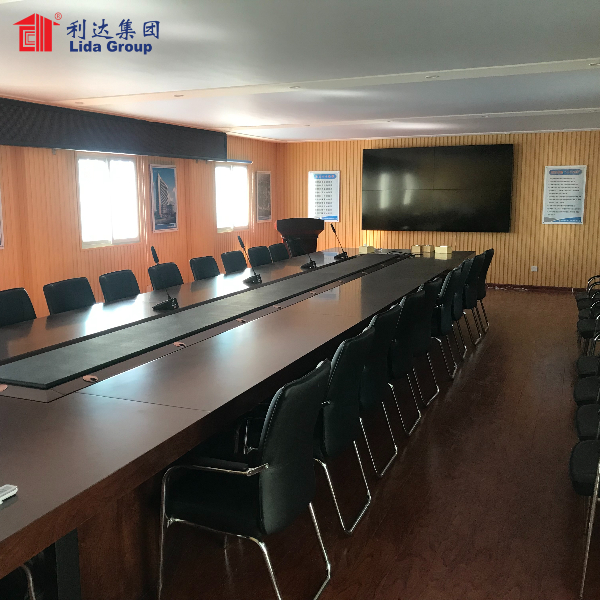
Modern office containers can be tailored to meet specific operational requirements. Businesses can choose layouts, finishes, and amenities that best suit their needs, creating a comfortable and efficient working environment. This customization can include meeting rooms, break areas, and collaborative spaces.
Sustainability
Repurposing shipping containers for office use is an environmentally friendly choice. By utilizing existing materials, companies can reduce waste and lower their carbon footprint. Many office containers also incorporate eco-friendly features, such as solar panels and energy-efficient insulation, further promoting sustainability.
Enhanced Work Environment
Office containers can be designed to provide a conducive work environment, featuring ergonomic furniture, proper lighting, and climate control. A well-designed workspace can significantly enhance employee productivity and morale.
Applications of Office Containers
Construction Sites
In the construction industry, office containers serve as on-site project management offices. They provide a centralized location for teams to collaborate, review plans, and manage logistics. The mobility of these containers allows construction firms to move them as projects progress, keeping operations efficient.
Remote Work Locations
For companies operating in remote areas, such as mining or oil exploration, office containers offer a practical solution. They provide essential workspace in locations where traditional office buildings may not be feasible. These containers can be equipped with necessary technologies to support remote work.
Event Management
Temporary office containers can be utilized for event management, serving as command centers for organizing large events, festivals, or conferences. They can house planning teams, provide meeting spaces, and facilitate communication among staff.
Educational Institutions
Schools and universities can benefit from office containers by using them as classrooms, administrative offices, or study spaces. This application is particularly useful during renovations or expansions, providing a flexible solution to accommodate students and staff.
Disaster Relief Operations
In emergency situations, office containers can be deployed quickly to serve as coordination centers for disaster relief efforts. They provide a secure and functional environment for organizations managing crisis response, allowing teams to work efficiently.
Case Studies of Successful Office Container Implementations
Case Study 1: Construction Management
A construction company needed a project management office for a large infrastructure project. They opted for a series of office containers that included meeting rooms, workstations, and a break area. The containers were easily transported to different phases of the project, allowing for seamless coordination and communication among teams. This setup reduced overhead costs and improved project efficiency.
Case Study 2: Remote Oil Exploration
An oil exploration company operated in a remote location, far from traditional office infrastructure. They utilized office containers to create a fully functional office environment, equipped with internet access, communication tools, and comfortable workspaces. This setup enabled employees to work effectively in a challenging environment, enhancing productivity and job satisfaction.
Case Study 3: Educational Use
A university faced space constraints due to ongoing construction on campus. They implemented office containers as temporary classrooms and administrative offices. The containers were outfitted with modern amenities, allowing students and staff to continue their activities without disruption. The initiative demonstrated the versatility and practicality of office containers in educational settings.
Challenges and Considerations
Regulatory Compliance
While office containers offer numerous advantages, businesses must navigate local regulations and zoning laws. Compliance with building codes, safety standards, and permits can present challenges. Companies should work closely with local authorities to ensure all requirements are met.
Public Perception
Despite their benefits, some may still hold misconceptions about the quality and aesthetics of office containers. Effective marketing and education about the advantages of these structures can help address any negative perceptions and promote acceptance.
Design Limitations
While office containers are customizable, there may be limitations regarding design and layout compared to traditional office buildings. Businesses must consider their specific needs and how best to adapt container solutions to meet those requirements.
The Future of Office Containers
Increasing Demand for Flexible Workspaces
As the workforce continues to embrace remote and hybrid work models, the demand for flexible office solutions will rise. Office containers are well-positioned to meet this need, providing adaptable spaces that can evolve with changing work patterns.
Integration of Technology
The future of office containers will likely involve the integration of advanced technologies. Features such as smart building systems, high-speed internet, and video conferencing capabilities will enhance the functionality of these mobile workspaces, making them even more appealing to businesses.
Focus on Sustainability
As companies increasingly prioritize sustainability, office containers will play a key role in eco-friendly workplace solutions. The continued development of green technologies and materials will enhance the appeal of container offices, aligning with corporate social responsibility goals.
Global Expansion
The versatility of office containers makes them suitable for a wide range of industries and applications. As more companies recognize the benefits of mobile workspaces, the global market for office containers is expected to expand, providing opportunities for manufacturers and service providers.
Conclusion
Versatile office containers represent a revolutionary shift in how businesses approach workspace solutions. Their mobility, cost-effectiveness, and customization options make them an attractive choice for various industries. As the demand for flexible and efficient work environments continues to grow, office containers are poised to play a crucial role in shaping the future of work.
By adopting office containers, companies can enhance productivity, reduce costs, and create a modern, sustainable work environment. The innovative design and rapid deployment capabilities of these containers ensure they meet the diverse needs of today’s workforce, paving the way for a more adaptable and efficient future.
Contact Us
Post time: Aug-31-2024