
Introduction
In an increasingly mobile and dynamic world, the need for flexible living and working spaces has grown significantly. Lida Group, a leader in innovative construction solutions, has embraced this trend by developing camp container houses that cater to various needs. These structures are not only cost-effective and environmentally friendly but also versatile enough to serve multiple purposes, from temporary housing to mobile offices. This article explores the numerous benefits of Lida Group’s camp container houses, highlighting their design, functionality, adaptability, and sustainability.
Understanding Camp Container Houses
What Are Camp Container Houses?
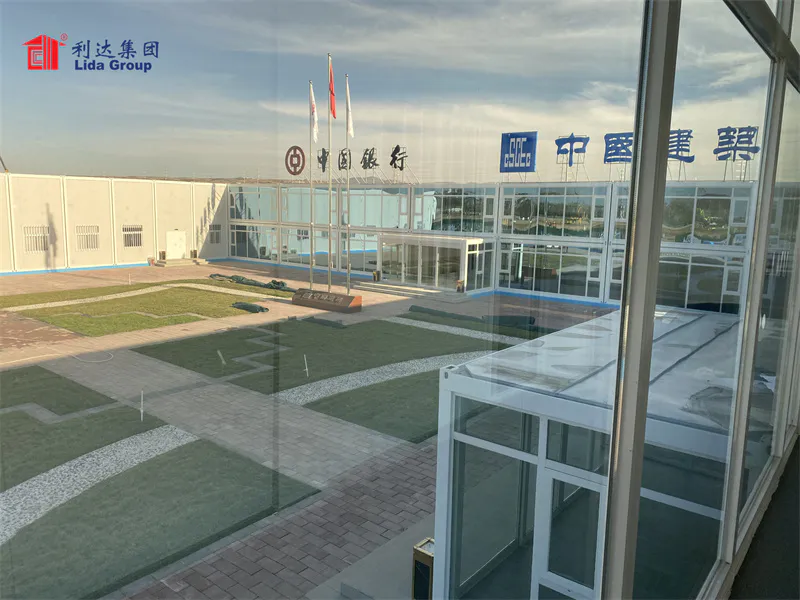
Camp container houses are portable. These houses can be easily transported and assembled, making them ideal for a range of applications, including remote work sites, disaster relief efforts, and recreational camping. The design of these container houses allows for efficient use of space while maintaining a comfortable living environment.
The Growing Popularity of Container Housing
The rise in popularity of container housing can be attributed to several factors:
- Affordability: Container houses are often more affordable than traditional homes, making them accessible to a wider range of individuals and organizations.
- Sustainability: Utilizing repurposed shipping containers aligns with eco-friendly practices, reducing waste and promoting sustainable living.
- Mobility: The ability to relocate container houses easily makes them ideal for transient populations or businesses that require flexibility.
Benefits of Lida Group’s Camp Container Houses
1. Cost-Effectiveness
One of the most significant advantages of Lida Group’s camp container houses is their cost-effectiveness. The overall expenditure involved in constructing a container house is generally lower than that of traditional buildings. Key factors contributing to this cost efficiency include:
- Reduced Material Costs: Using repurposed shipping containers minimizes the need for new materials, significantly lowering construction costs.
- Lower Labor Costs: The modular design allows for quicker assembly, reducing labor expenses and project timelines.
- Minimal Site Preparation: Container houses require less extensive site preparation compared to traditional construction, leading to further cost savings.
2. Quick Assembly and Mobility
Lida Group’s camp container houses are designed for rapid deployment. The prefabricated nature of these structures allows for swift assembly on-site, making them ideal for urgent housing needs in various situations, such as:
- Disaster Relief: In the aftermath of natural disasters, container houses can be quickly set up to provide immediate shelter for displaced individuals.
- Remote Work Sites: For industries such as mining, construction, and oil extraction, camp container houses provide convenient accommodation for workers in remote locations.
The mobility of these structures is another key benefit. They can be easily transported to different sites, accommodating changing project requirements or relocating as needed.
3. Versatile Design and Customization
Lida Group’s camp container houses are highly customizable, allowing users to tailor the design to meet specific needs. This versatility is evident in several aspects:
- Flexible Layouts: The internal layout can be modified to include multiple bedrooms, workspaces, or common areas, depending on the intended use.
- Modular Expansion: Additional containers can be added to expand the living or working space, making it easy to adapt to changing needs.
- Variety of Finishes: The exterior and interior finishes can be customized to suit personal preferences, ensuring that the container house is both functional and aesthetically pleasing.
4. Sustainable Living
Sustainability is a core principle of Lida Group’s camp container houses. By utilizing repurposed materials, these structures contribute to environmental conservation in several ways:
- Reduced Waste: Repurposing shipping containers prevents them from ending up in landfills, reducing overall waste.
- Energy Efficiency: Container houses can be designed with energy-efficient features, such as solar panels, high-quality insulation, and energy-efficient appliances, minimizing their carbon footprint.
- Sustainable Materials: Lida Group often incorporates sustainable materials in the construction and finishing of container houses, further enhancing their eco-friendliness.
5. Durability and Safety
Shipping containers are designed to withstand harsh environmental conditions, making them inherently durable and safe. Key aspects of their durability include:
- Weather Resistance: Container houses can endure extreme weather conditions, including heavy rain, strong winds, and snow loads, ensuring the safety of occupants.
- Fire Resistance: The steel structure of shipping containers provides a level of fire resistance, enhancing overall safety.
- Robust Security: Container houses can be equipped with secure locking mechanisms, making them safe for storage and living.
6. Comfort and Livability
While camp container houses are often associated with temporary or transitional living, Lida Group prioritizes comfort and livability in their designs. Features that enhance comfort include:
- Insulation: Proper insulation ensures that container houses maintain a comfortable temperature year-round, reducing the need for excessive heating or cooling.
- Amenities: Container houses can be equipped with modern amenities, including bathrooms, kitchens, and living areas, providing a comfortable living experience.
- Natural Light: Strategic placement of windows and skylights allows for ample natural light, creating a pleasant living environment.
7. Diverse Applications
Lida Group’s camp container houses are suitable for a wide range of applications, making them a versatile solution for various sectors:
- Temporary Housing: Ideal for workers at remote job sites, they provide comfortable accommodation without the need for permanent structures.
- Emergency Shelters: In times of crisis, these container houses can be deployed quickly to provide essential shelter for those in need.
- Recreational Use: Container houses can be used as vacation homes or glamping accommodations, offering a unique and stylish alternative to traditional lodging.
- Mobile Offices: Businesses can utilize container houses as mobile offices, providing a functional workspace in remote locations.
Case Studies: Lida Group’s Successful Implementations
1. Disaster Relief Housing
In the wake of a natural disaster, Lida Group deployed camp container houses to provide immediate shelter for affected communities. The rapid assembly and mobility of these structures allowed for quick response times, ensuring that displaced individuals had access to safe and comfortable living spaces.
2. Construction Site Accommodation
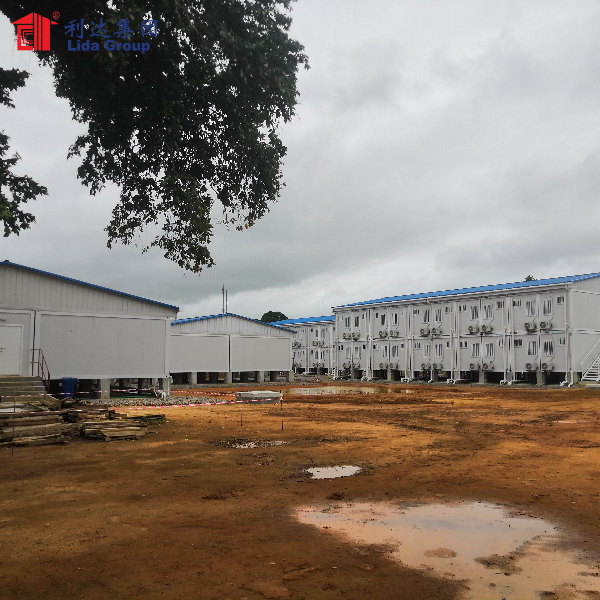
For a major construction project in a remote area, Lida Group provided camp container houses to accommodate workers. The modular design allowed for easy expansion as the workforce grew, and the customized layouts met the specific needs of the project, enhancing overall productivity.
3. Eco-Friendly Glamping Resort
Lida Group partnered with a hospitality company to create an eco-friendly glamping resort using camp container houses. The unique design and sustainable features attracted environmentally conscious travelers, demonstrating the versatility of container houses in the tourism industry.
The Future of Camp Container Houses
1. Advancements in Design and Technology
As the demand for flexible living solutions continues to rise, advancements in design and technology will play a crucial role in the evolution of camp container houses. Innovations may include:
- Smart Home Features: Integrating smart technology for energy management, security, and convenience will enhance the livability of container houses.
- Sustainable Building Practices: Continued focus on eco-friendly materials and construction methods will further improve the sustainability of container housing.
2. Expanding Market Opportunities
The growing awareness of the benefits of container houses will likely lead to expanded market opportunities across various sectors. Key trends may include:
- Urban Development: As cities grapple with housing shortages, container houses may provide an affordable and efficient solution for urban living.
- Remote Work Trends: The rise of remote work may drive demand for portable living solutions, making camp container houses an attractive option for professionals seeking flexibility.
3. Global Impact
Lida Group’s camp container houses have the potential to make a significant global impact by addressing pressing issues such as housing shortages, disaster relief, and sustainable living. By promoting the use of innovative container solutions, Lida Group is contributing to a more resilient and adaptable future.
Conclusion
Lida Group’s camp container houses represent a transformative approach to modern living and working spaces. With their cost-effectiveness, quick assembly, versatility, and sustainability, these structures offer numerous benefits for individuals, businesses, and communities alike. As the demand for flexible and efficient housing solutions continues to grow, Lida Group is well-positioned to lead the way in providing innovative container house solutions that meet the diverse needs of today’s world.
In a landscape where adaptability and sustainability are paramount, camp container houses stand out as a viable solution for various applications, from temporary housing to mobile offices. As we look toward the future, the potential for camp container houses to shape the way we live and work remains vast, promising a more efficient and sustainable approach to housing in the years to come.
Contact Us
Post time: Oct-15-2024