
01 Introduction: Building Where the Conditions Are Unforgiving
Oil and gas fields rarely sit in places that make construction easy. Many are found in deserts, along frozen coastlines, or in remote regions where the weather turns hostile without warning and where help is far away. Yet these fields must be equipped with more than drilling hardware; they need the facilities that support the people and the operations around them, from offices and control rooms to housing, storage, and maintenance buildings. These structures have to withstand harsh weather, arrive and go up quickly, and keep working reliably for years. Lida Group has made this combination of demands its specialty with steel structure facilities built for the oil and gas industry.
This article looks at why Lida’s steel structures are so well suited to oil and gas fields. It examines the weatherproofing that protects the buildings from rain, wind, dust, and temperature extremes, and the rapid-assembly design that gets them in service in weeks rather than months. It also considers how these facilities support the wider needs of a field, from safety to logistics to the comfort of the workforce. The aim is to show operators that Lida offers not just buildings but facilities engineered for the realities of energy production.
02 The Weatherproof Advantage
An oil and gas field exposes its buildings to a punishing range of conditions. Rain and humidity can seep into poorly sealed structures, damaging interiors and equipment. Wind can drive moisture and debris against the building and test its stability. In hot regions, intense sun and blowing sand degrade materials and strain cooling; in cold ones, frost and condensation attack the structure from within. A facility that cannot keep these elements out will fail, and failure at a remote field is costly and difficult to correct.
Lida’s steel structures are designed to hold the weather at bay. The building envelope is sealed with high-quality gaskets and sealants that resist both temperature extremes and ultraviolet damage, and every joint where services enter the building is flashed to keep moisture out. Roofing is detailed with positive drainage so that water never pools, and the cladding is chosen to shed rain and resist the wear of wind-driven sand or ice. The result is a facility that keeps its interior dry and protected through the conditions that defeat lesser buildings.
Insulation works with the envelope to control the interior climate. Lida installs continuous, high-density insulation that reduces heat loss in cold weather and slows heat gain in hot weather, so that the building stays comfortable and its climate systems do not work harder than necessary. This matters in a field, where energy for heating and cooling is itself a scarce and expensive resource. A well-insulated building saves money every day it is in service, on top of the protection it provides against the elements.
03 Built for Speed: The Rapid-Assembly Design
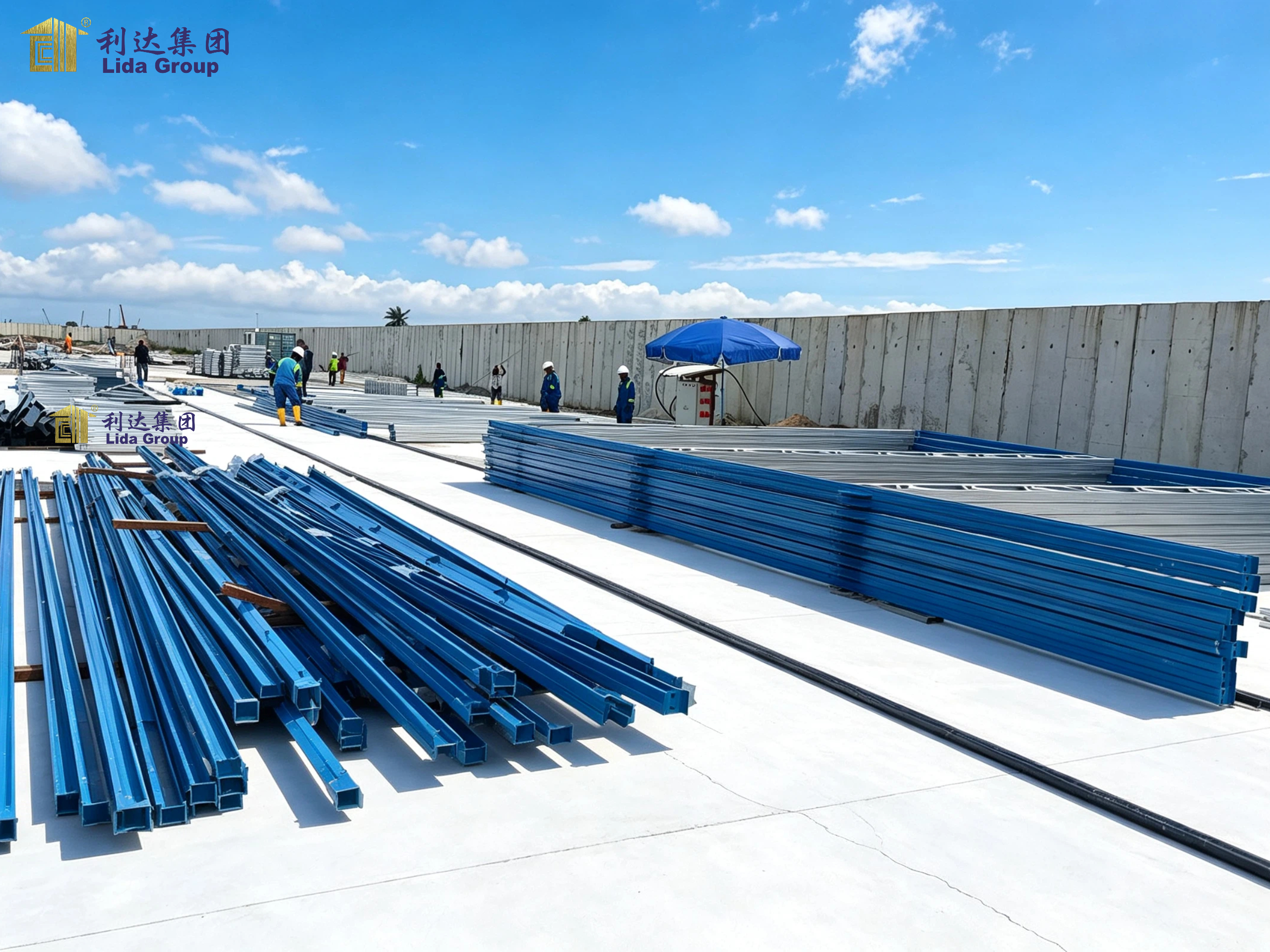
Time is a critical factor in oil and gas projects. When a field needs facilities, it needs them quickly, because the pace of the entire operation often depends on having the right buildings in place. Conventional construction, with its foundations, framing, and finishing completed in sequence on site, can delay a project for months. Lida’s steel structures take a different route, with components fabricated in a controlled factory and delivered to the site ready for rapid assembly.
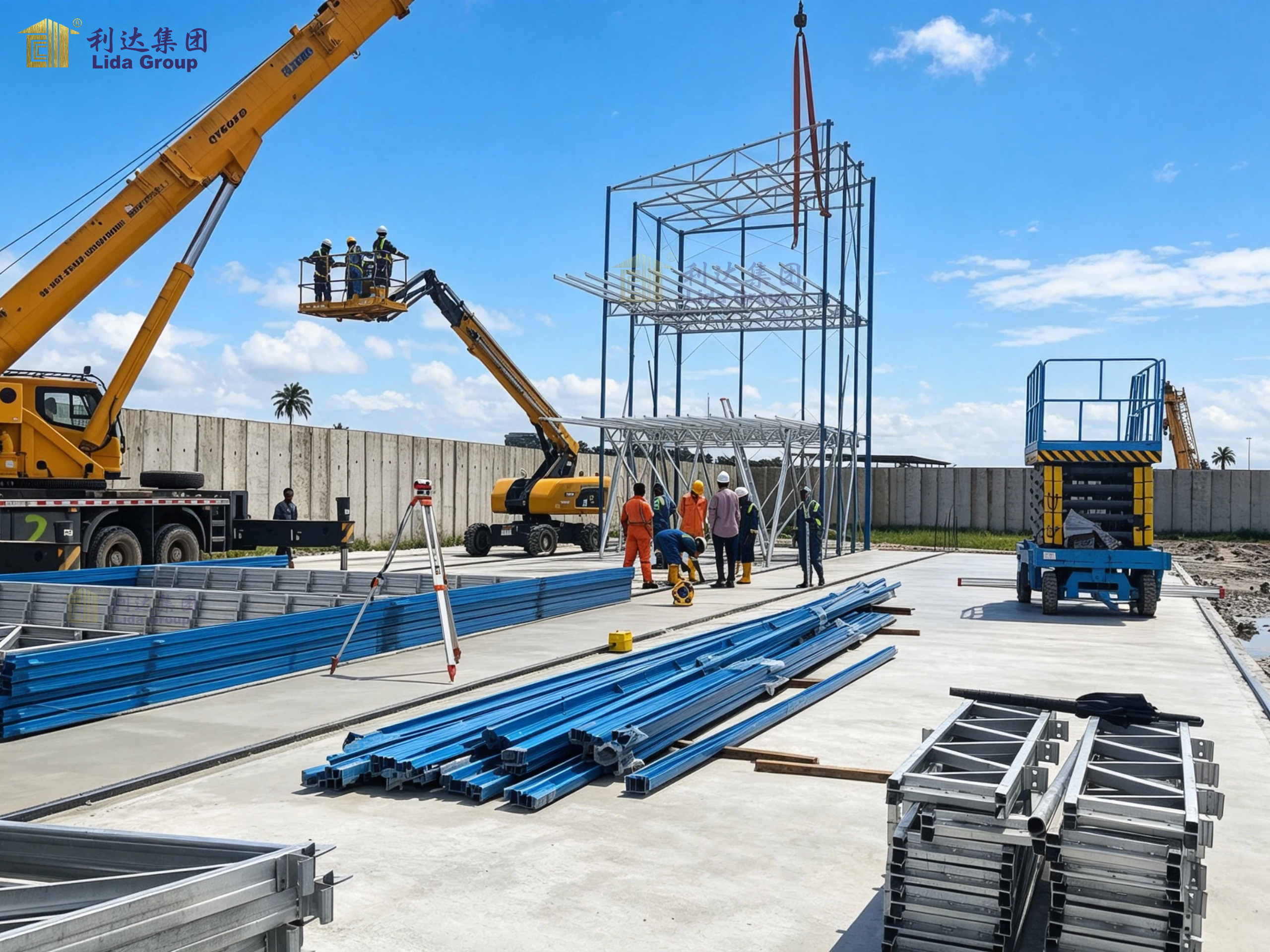
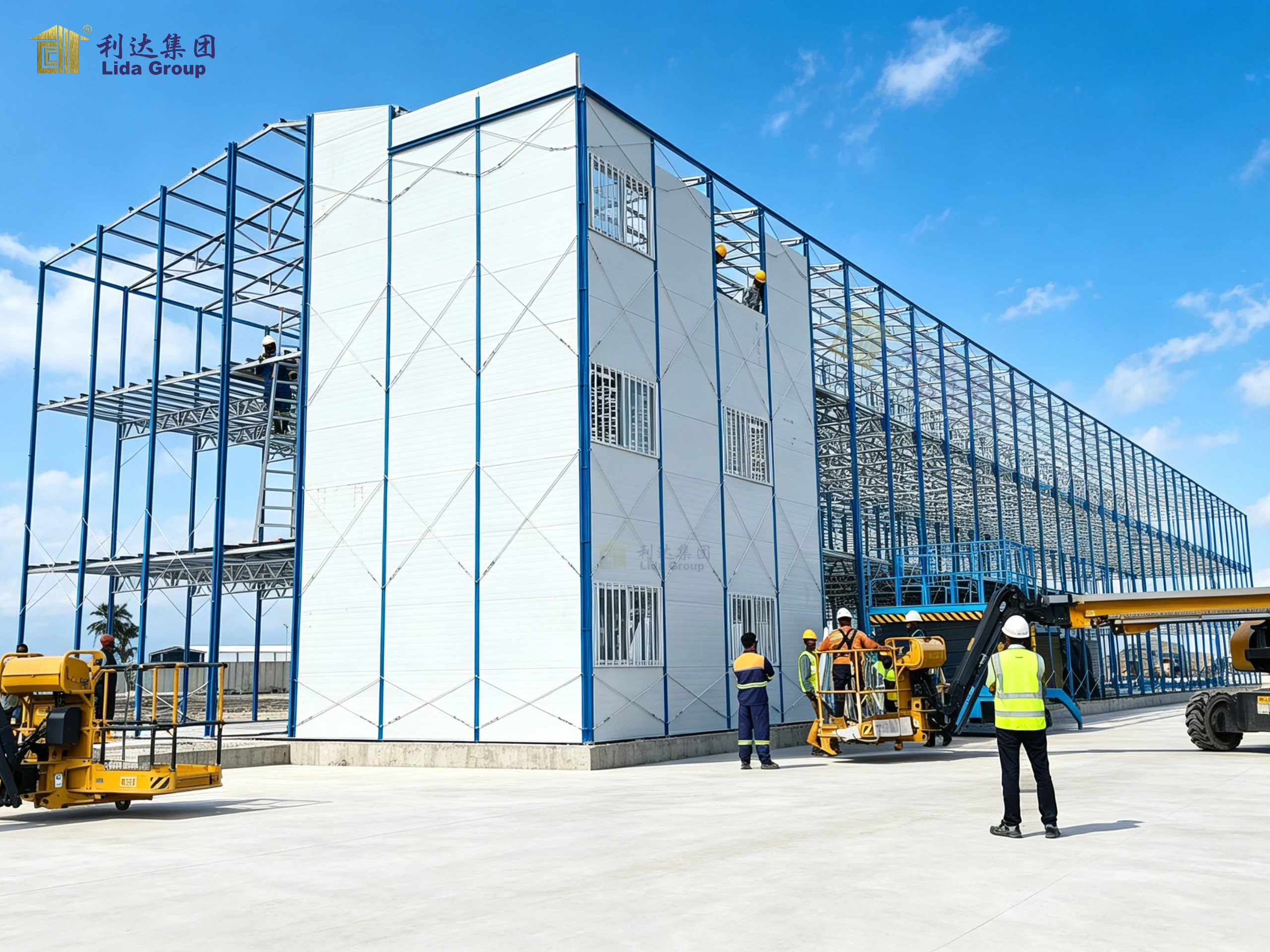
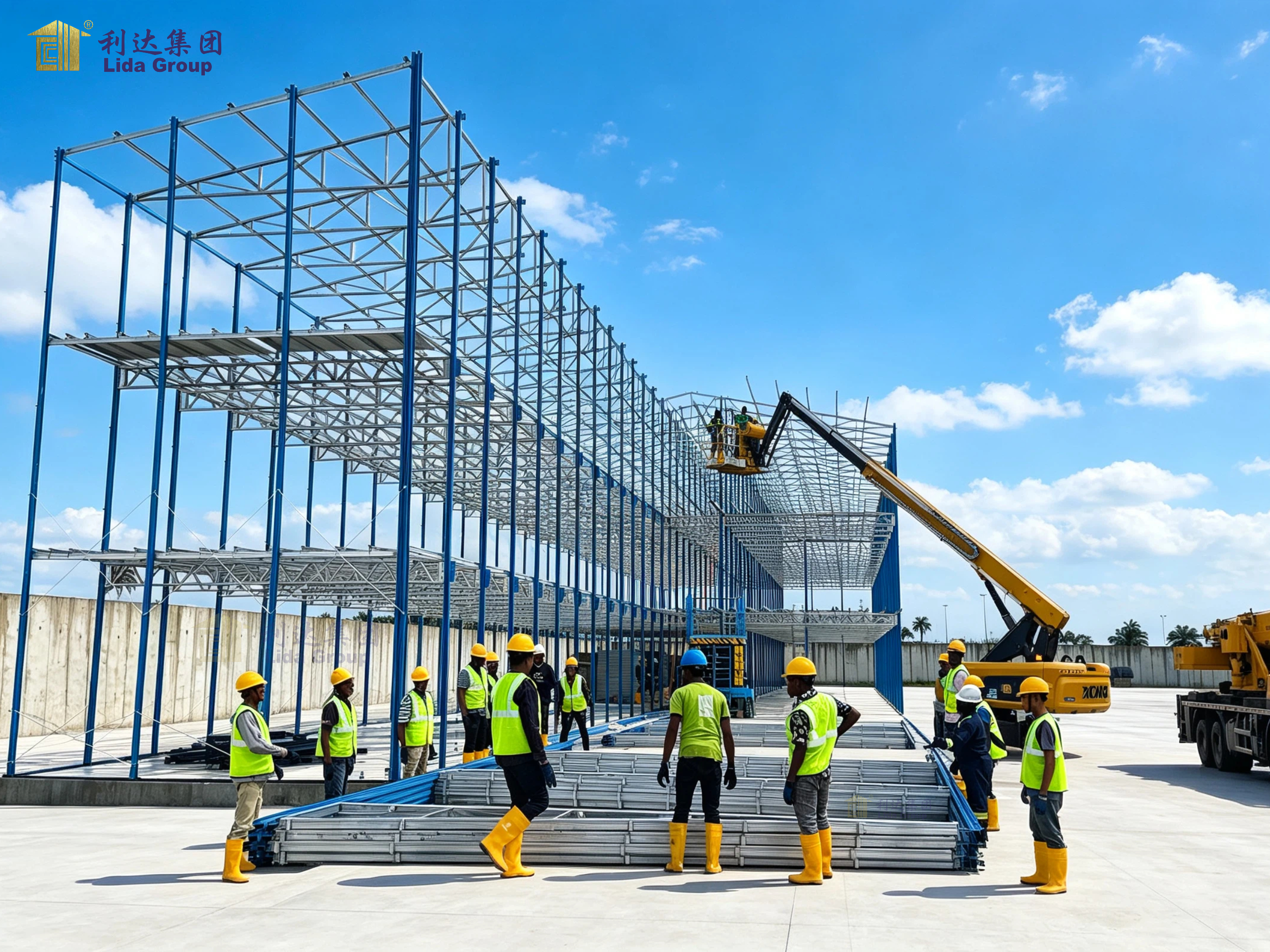
This approach changes the economics of the schedule. Because the building parts arrive largely complete and are engineered to fit together simply, they can be erected and made usable in a fraction of the time required for traditional building. Workers on site do not need to build from the ground up; they position the components, secure them, and connect the services, a process measured in days or weeks rather than months. For an operator under pressure to start production, this speed is not a convenience but a competitive advantage.
Speed also brings flexibility. A field that expands, a project that shifts location, or a need that changes can be met by adding, moving, or reconfiguring steel structures without starting a new construction project. This adaptability protects the operator’s investment, because facilities can be sized to actual need and relocated to preserve their value. When the pace of the industry demands quick responses, a rapidly assembled steel structure is the practical answer.
04 Strength and Durability in the Field
The value of a steel structure in an oil and gas field rests on its strength. Lida builds its facilities around a structural steel frame chosen for its ability to carry heavy loads, resist impact, and withstand the physical demands of a busy industrial site. Steel does not rot, warp, or attract pests the way some materials do, and it is engineered to handle the wind and snow loads of the region where it is installed. This strength gives the building a long service life that a lighter or less robust construction cannot match.
Durability matters in an environment where repair is difficult and downtime is expensive. A steel structure that resists corrosion, wears well, and keeps its integrity over years of use reduces the maintenance burden on the field and avoids the disruption that comes with frequent repairs. Because every Lida facility is built to a consistent standard in the factory, the operator knows the quality they are getting, and that quality translates directly into a lower cost of ownership over the life of the field.
05 Facilities That Support the Whole Operation
An oil and gas field is more than a collection of drill sites; it is a community of people and a complex of operations that must work together. Lida’s steel structures support this in many forms. Housing provides safe, comfortable accommodation for the workforce, while offices and control rooms give the operation the space it needs to plan, monitor, and manage production. Storage buildings protect equipment and supplies, and maintenance facilities keep the field’s machinery running. Each of these is built to the same weatherproof, durable standard.
This integration is a practical advantage. Because all the facilities share the same systems, materials, and service requirements, a field is simpler to plan, easier to operate, and more straightforward to maintain than one assembled from unrelated buildings. The operator can specify a coherent solution from a single supplier, knowing that the units are designed to work together and backed by consistent support. Whether the need is for a small facility at a single well or a full camp at a major field, Lida can deliver structures that fit the project and the conditions it faces.
06 Safety and Comfort for the People On Site
Behind every productive oil and gas field is a workforce that must be kept safe and comfortable, often in conditions that offer neither easily. Lida designs its steel structures with this in mind, using fire-resistant materials and clear layouts that support safe movement and rapid evacuation if the need arises. The strength of the steel frame also provides protection against severe weather, giving workers a secure refuge when conditions turn extreme. Safety is built into the design rather than added as an afterthought.
Comfort is equally important, because it affects how well people work and how long they stay. A comfortable building, with steady heating or cooling, good ventilation, and a clean, well-planned interior, supports rest and recovery for the people who live and work at the field. This reduces turnover and keeps the workforce effective, which in turn protects the productivity and budget of the entire operation. For an industry that depends on its people as much as its equipment, facilities that treat the workforce well are not an indulgence but a necessity.
07 Cost Effectiveness Across the Life of the Field
For oil and gas operators, the true cost of a facility is measured over the life of the field, not just at the moment of purchase. Lida’s steel structures perform well on this measure. The efficiency of the envelope and the insulation reduces energy use, a significant saving where fuel must be brought in at great expense. The durability of the construction lowers maintenance and repair, and the ability to relocate facilities extends their useful life across multiple projects. These savings accumulate into a total cost of ownership that favors a well-built steel structure.
There is also a less obvious cost to poor facilities. When buildings leak, break down, or fail to keep their occupants comfortable, the field suffers through lost productivity, safety incidents, and high staff turnover. Each of these carries a price that is far greater than the cost of doing the job properly in the first place. By combining durable construction, efficient operation, and a design that supports the workforce, Lida’s steel structures protect the field’s budget from several directions at once, delivering value that goes well beyond the initial price.
08 A Partner for the Long Term
Choosing a supplier for oil and gas facilities is a decision that lasts for years, and Lida positions itself as a partner for the long term rather than a one-time vendor. The company’s experience across demanding environments means its structures are designed with the realities of the field already built in. Because the facilities are standardized and proven, the operator can specify them with confidence and rely on consistent performance from the first day. This reliability simplifies planning and reduces risk across the whole project.
The relationship also extends beyond the buildings themselves. Lida’s integrated range means that a growing field can expand its facilities from the same proven product, and that support and spares are consistent across the entire camp. For an operator managing a portfolio of projects, this consistency is especially valuable, because it makes facilities predictable across different sites and seasons. In an industry where conditions are demanding and schedules are tight, having a dependable partner for the facilities is as important as the quality of the buildings themselves.
09 Conclusion: Built for the Realities of Oil and Gas
Lida’s steel structure facilities answer the demands of oil and gas fields because they are engineered for exactly the conditions those fields present. The weatherproof design keeps out rain, wind, dust, and temperature extremes, protecting both the building and its occupants. The rapid-assembly approach gets facilities in service quickly, when the pace of the operation requires it, and the flexibility of the steel structure lets them grow and move with the project. Strength, durability, safety, and comfort complete the picture, giving operators facilities they can rely on for years.
The advantages extend to the business of the field as well. Efficient, well-insulated buildings lower operating costs, durable construction reduces maintenance, and a design that supports the workforce protects productivity and retention. For oil and gas operators who must build and operate in harsh, remote environments, Lida’s steel structures offer more than shelter; they offer a dependable foundation for the entire operation. In the end, the value of a Lida facility lies not just in resisting the weather and going up quickly, but in allowing the field to run safely, efficiently, and at its best, year after year.
Post time: Oct-19-2026